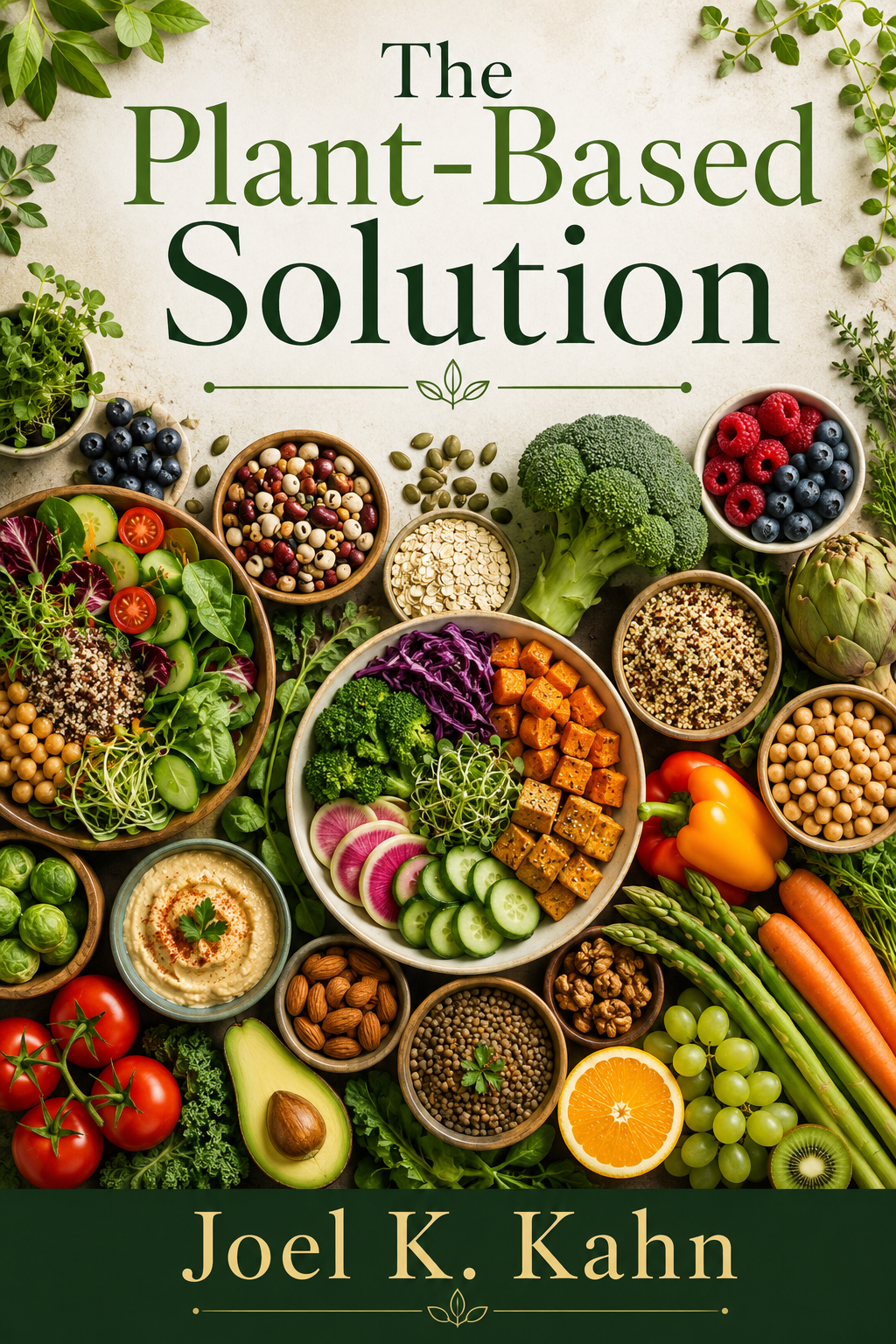
The Plant-Based Solution
Chapter Summaries
What's Here for You
Are you ready to unlock a healthier, more vibrant you? *The Plant-Based Solution* cuts through the noise and delivers science-backed evidence for the transformative power of plant-based eating. Dr. Kahn tackles everything from heart health and diabetes to weight management and even sexual vitality, offering a compelling case for plants as medicine. Prepare to be empowered with knowledge, inspired by real-world results, and equipped with a 21-day menu to kickstart your journey towards a longer, healthier, and more fulfilling life. Get ready to embrace a solution that nourishes your body, delights your taste buds, and protects our planet, all at once. This book is your guide to feeling better, living longer, and making a positive impact, one delicious plant-based meal at a time.
The Six Pillars of Support for the Plant-Based Solution
In "The Six Pillars of Support for the Plant-Based Solution," Joel K. Kahn addresses the common skepticism surrounding plant-based diets by presenting compelling evidence for its health benefits. He acknowledges the noise—the naysayers and internet anecdotes—but insists that science provides a solid foundation. Kahn begins by highlighting the 2015–2020 Dietary Guidelines, noting the government's endorsement of a Healthy Vegetarian Eating Pattern, including a vegan option, a monumental step toward recognizing plant-based nutrition. He then pivots to the Academy of Nutrition and Dietetics, emphasizing their position that well-planned vegetarian diets are healthful and appropriate across all life stages, even recommending it pre-pregnancy to detoxify the body. The narrative then follows the money, revealing how Medicare and Medicaid reimburse only plant-based intensive cardiac rehabilitation programs like Pritikin and Ornish, a powerful statement validated by rigorous evaluation. Shifting to media influence, Kahn points to U.S. News & World Report, which consistently ranks the Ornish diet, a plant-based approach, as the best for heart health, leaving fad diets like Paleo at the bottom. A beacon of progress shines as Kahn describes Kaiser Permanente, a major health plan, actively promoting plant-based diets to its millions of members, a proactive step towards disease prevention. Finally, the chapter culminates in a powerful revelation: consuming ten servings of fruits and vegetables daily could prevent millions of deaths worldwide. Kahn envisions a world where hospitals and schools prioritize plant-based options, challenging the current landscape of processed meats and unhealthy choices. To sustain this journey, Kahn urges readers to find or create support networks, emphasizing the African proverb: "If you want to walk fast, walk alone. If you want to walk far, walk together."
The Heart of the Matter
In "The Heart of the Matter," Joel K. Kahn unveils the compelling case for plant-based diets in preventing and reversing heart disease, positioning it as the only dietary approach with proven efficacy. He begins with a personal anecdote, reflecting on his early exposure to cardiology, setting the stage for his unwavering advocacy. Kahn introduces Paul, a patient who bypassed bypass surgery through a plant-based diet, illustrating the transformative power of this lifestyle choice. Paul's story becomes a catalyst, inspiring the creation of the Plant Based Nutrition Support Group, which rapidly expanded, demonstrating the broad appeal and effectiveness of the plant-based solution. Kahn then transitions to the historical context, spotlighting pioneers like Walter Kempner, who, despite his unconventional methods, achieved remarkable results with the Duke Rice Diet. Lester Morrison's work following World War II further solidified the connection between plant-based eating and reduced heart disease rates. Nathan Pritikin, an aerospace engineer turned nutrition advocate, demonstrated the power of diet and exercise to reverse his own heart disease, challenging conventional medical wisdom. Dean Ornish's rigorous research, blending Eastern philosophy with Western medicine, provided groundbreaking evidence of heart disease reversal through lifestyle changes. Caldwell Esselstyn's work at the Cleveland Clinic, emphasizing a plant-based diet without added oils, showcased the potential for healing the endothelium, the delicate lining of our arteries, and the heart. Joel Fuhrman emphasizes nutrient-dense, plant-rich diets. Kahn challenges the pervasive belief in the health benefits of oils, particularly olive oil, advocating for a low-fat approach centered on whole plant foods. He champions plant-based intensive cardiac rehabilitation programs, highlighting their approval by Medicare as a testament to their effectiveness. Kahn dives into the science of the endothelium, explaining its crucial role in arterial health and how a plant-based diet can optimize its function. He introduces the concept of TMAO, a compound produced by gut bacteria from animal products, linking it to increased heart disease risk. Kahn concludes with a passionate defense of plant-based pioneers and a call to action, urging readers to embrace the Plant-Based Solution for a healthier heart and a longer life, painting a vivid picture of a world where food is medicine and prevention trumps intervention. He suggests that the artery is like a garden hose; plant-based diets clear the internal pathways, allowing life to flow freely again.
The Sweet News about Diabetes
In this chapter, Joel K. Kahn addresses the massive medical problem of diabetes, particularly type 2, and offers a plant-based solution. He begins by illustrating the sheer scale of the issue: millions of Americans affected, many unknowingly, and the staggering costs associated with its complications, painting a stark picture of a disease that shadows nearly every corner of Western life. Kahn then pivots to hope, sharing the transformative story of Marc Ramirez, who reversed his type 2 diabetes through a plant-based diet, a beacon of possibility amidst the grim statistics. This is contrasted by Robby's journey with type 1 diabetes, demonstrating that even with a non-curable condition, a fruit-strong, plant-based approach can offer significant control and reduce insulin needs. Kahn then transitions to the science, demystifying how low-fat, plant-based diets combat insulin resistance by clearing fat droplets from muscle cells, a concept he terms 'lipotoxicity.' He emphasizes that removing dietary fat allows insulin to function effectively again, unlocking cells and reversing the course of the disease. The author underscores the importance of feeding the microbiome with plant-based foods like asparagus and garlic to further protect against insulin resistance. Kahn references Dr. Neal Barnard's studies, revealing that a plant-based diet outperforms the American Diabetes Association guidelines in controlling blood sugar, reducing weight, and improving cholesterol levels. The narrative tension rises as Kahn presents compelling research linking meat consumption to increased diabetes risk, citing multiple studies that show a direct correlation between meat intake and the development of the disease. He exposes seven hidden drawbacks of meat, from raising inflammatory markers like hs-CRP to elevating levels of harmful compounds like TMAO and AGEs, painting a vivid picture of meat's detrimental impact on the body. Kahn advocates for knowing one's insulin level, suggesting a target below 8.4 uIUmL, and highlights the potential of plant-based diets to reverse even advanced complications like diabetic neuropathy. The chapter culminates with the success story of Bill, a musician who reversed his type 2 diabetes through plant-based eating, finding a 'cure' rather than just management. Kahn concludes by highlighting the Seventh-day Adventist Church's research in Loma Linda, showcasing how vegetarian diets are associated with lower diabetes rates, longer lifespans, reduced cancer and heart disease risks, and lower blood pressure, solidifying the plant-based approach as not just a dietary choice, but a path to comprehensive well-being, a harmonious chord in the symphony of health.
Slim and Trim
In "The Plant-Based Solution," Joel K. Kahn addresses the escalating obesity rates, framing weight not merely as an aesthetic concern, but as a key indicator of health risks like diabetes, heart disease, and certain cancers. He points to the complex web of factors fueling this crisis: the pervasiveness of cheap, processed foods, sedentary digital lifestyles, endocrine-disrupting environmental toxins, poor sleep, and the omnipresent shadow of stress. But amidst this complexity, Kahn offers a beacon of hope: the Plant-Based Solution, a simple yet powerful approach rooted in the produce aisle. He shares the inspiring story of Allan, a podiatrist who transformed his health by embracing plant-based cooking, shedding 110 pounds, and reversing conditions like sleep apnea and high cholesterol—a testament to the body's capacity for healing. Kahn then directs attention to the rigorous science backing this solution, referencing Neal Barnard's research, which demonstrates that a vegan diet leads to significantly greater weight loss than conventional approaches, especially when coupled with group support. He paints a picture of GEICO employees shedding pounds and improving their health metrics through plant-based meals, emphasizing the power of collective action and accessible changes. Further solidifying his argument, Kahn cites meta-analyses and studies comparing various diets, consistently highlighting the superiority of vegan diets for sustained weight loss and overall health, as seen in the Adventist Health Study. The author recounts the remarkable transformation of comedian Penn Jillette, who, facing dire health consequences, adopted a plant-based diet and lost over 100 pounds, proving that extreme results often require extreme, yet natural, measures. Kahn issues a stern warning against short-sighted, low-carb, high-fat diets, advocating instead for the long-term benefits of a plant-based lifestyle. Finally, he provides practical steps for building a plant-based snack arsenal, empowering readers to navigate their transition with accessible and delicious options, turning the daunting task of weight management into an achievable journey toward lasting health.
High on Plants for Low Blood Pressure
In this chapter of *The Plant-Based Solution*, Joel K. Kahn addresses the pervasive and often silent killer: hypertension. He paints a stark picture, noting how high blood pressure is a primary or contributing cause in about 1,000 deaths every day in the United States alone, and how it consistently ranks as a leading risk factor for disease worldwide. Kahn then illuminates a beacon of hope through the science of Nobel Prize-winning research, explaining how nitric oxide (NO) plays a pivotal role in maintaining healthy blood pressure. He details how plant-based diets, rich in polyphenols and dietary nitrates, can boost NO production, transforming the simple act of chewing leafy greens and beets into a powerful physiological event. The nitrates, interacting with bacteria on the tongue, convert to nitrites, which then become NO, ensuring that even if the first pass misses the bacteria, the entero-salivary recirculation guarantees a second chance—a biological echo, ensuring that the body extracts every drop of benefit. Kahn underscores this point by referencing the Adventist Health Study, revealing that vegetarian-vegans experience about half the risk of hypertension compared to non-vegetarians, likely due to increased potassium, minerals, fiber, and a lower BMI. He then shares the inspiring story of Cheryl, a patient who, despite a history of heart issues and multiple medications, embraced a WFPB diet and dramatically improved her health, reducing her reliance on prescription drugs and rediscovering her vitality. Kahn addresses the common question of supplementation for vegans, emphasizing the importance of Vitamin B12, Vitamin D, Omega-3s, and Iodine. He then reinforces the power of plant-based choices with additional studies, including Dr. John McDougall's one-week immersion program, which demonstrated significant reductions in blood pressure in participants. Kahn concludes with practical advice for eating out while maintaining a plant-based diet, empowering readers to take control of their health destiny, one plant-based meal at a time. He advocates for the Plant-Based Solution, suggesting that if the NIH were to repeat the DASH diet study with a purely plant-based cohort, the results would be even more powerful, solidifying the position of plant-based eating as the ultimate dietary approach to combat hypertension.
Hello Plants, Goodbye Cholesterol
In "The Plant-Based Solution," Joel K. Kahn confronts the widespread confusion surrounding cholesterol, asserting its critical role in heart health, contrary to media hype that downplays its significance. Kahn vividly recalls countless patients suffering heart attacks, their only discernible abnormality being elevated cholesterol levels, a stark reminder that numbers matter. He cautions against the allure of butter-laden diets and coconut oil fads, emphasizing that plants contain no cholesterol, unlike animal products, setting the stage for the transformative potential of a plant-based approach. To illustrate this, Kahn shares the story of Adam, a meat-loving individual who, after just thirty days on the Plant-Based Solution, experienced dramatic improvements in inflammation markers, kidney function, and cholesterol levels, his journey becoming a testament to the diet's rapid impact. Kahn then delves into a study comparing a plant-based diet to statin medication, revealing that a dietary portfolio rich in plant sterols, soy protein, fiber, and almonds could achieve similar cholesterol-lowering effects without prescription drugs, showcasing nature's potent pharmacy. Kahn offers practical tips, like incorporating plant stanols, almonds, soluble fiber, and soy into the daily diet, painting a picture of a plate teeming with health. He discusses the EPIC-Oxford study, highlighting vegans' lower cholesterol levels and body mass index, reinforcing the multiple benefits of a whole-food, plant-based diet. Kahn recounts Dr. Neal Barnard's GEICO study, a randomized workplace trial demonstrating the power of a low-fat vegan diet to lower cholesterol, blood pressure, and blood sugar, illustrating that lifestyle changes can indeed rewrite our health outcomes. He warns against misleading advice promoting high-fat diets, reminding us that meat, dairy, and processed foods remain the primary culprits in heart disease, their siren song tempting but ultimately dangerous. Finally, Kahn encourages readers to adopt a simple yet powerful habit: incorporating a daily smoothie packed with fruits, vegetables, and optional add-ins like chia seeds or nut butter, a small step towards a cholesterol-free future.
Grow Plants Not Cancer Cells
In "Grow Plants Not Cancer Cells," Joel K. Kahn confronts a chilling reality: cancer's pervasive threat. He opens with stark statistics, painting a picture of overflowing stadiums emptied by the disease, setting the stage for a crucial question: can nutrition shift these odds? The tension escalates as Kahn zeroes in on processed red meats, unveiling the World Health Organization's classification of these foods as Group 1 carcinogens, akin to diesel fumes. It's a bombshell dropped into the everyday choices of hospital cafeterias, sparking outrage as Kahn questions the ethics of institutions serving known carcinogens. He shares his own frustrating encounter with hospital administrators, highlighting a clash between patient choice and ethical responsibility. However, a beacon of hope emerges through the work of Dr. John McDougall, who champions the power of plant-based starches, recalling a time when populations thrived on these staples. Kahn emphasizes that societies powered by starches experienced fewer chronic diseases. The narrative then pivots to Dr. Dean Ornish's groundbreaking research on prostate cancer. Ornish's study revealed that a plant-based lifestyle, free of added oils and fats, could halt tumor growth, even turning the blood into a form of chemotherapy. Inspired by this, Kahn shares a case study of Jeff, a prostate cancer survivor who embraced the Plant-Based Solution, underscoring the empowerment that comes from choosing health with every meal. The Adventist Health Study further cements this idea, revealing a significant reduction in prostate cancer risk among vegans, particularly benefiting African Americans. Kahn then pivots to cruciferous vegetables, like broccoli, kale, and cauliflower, spotlighting sulforaphane, a potent cancer-fighting chemical activated by chewing. He urges readers to maximize its benefits by chopping vegetables and letting them sit, mimicking the chewing process, or adding raw pieces to cooked dishes. In conclusion, Kahn unleashes a plant-based rant, frustrated by the persistence of misinformation, that the science overwhelmingly supports the Plant-Based Solution for cancer prevention and treatment. He passionately advocates for filling our plates with a variety of fruits, vegetables, whole grains, and legumes, especially cruciferous vegetables, which is a step towards taking control of one's health.
Beans Not Butter for Better Brains
In this exploration of neurological health, Joel Kahn addresses the pervasive fear of cognitive decline, framing the brain as the essence of our humanity, our unique skills and personalities. He highlights the Swank diet, a low-fat, plant-based regimen studied for decades in MS patients, pioneered by Roy Swank. Swank observed that those in fishing communities had less MS than those in mountain communities, suspecting saturated fat's role in clumping blood cells, potentially blocking tiny vessels in the brain. Kahn presents Sarah's case, who managed her MS through a plant-based diet, avoiding medication and maintaining an active life, underscoring the potential of dietary changes. The narrative shifts to stroke prevention, citing the Adventist Health Study, which demonstrates vegans having a significantly lower risk of cerebrovascular diseases, possibly due to lower blood pressure, cholesterol, and reduced rates of type 2 diabetes. Kahn then tackles Alzheimer's, referencing an early Adventist Health Study that suggests meat eaters are more than twice as likely to develop dementia, emphasizing the potential protective role of plant-based diets. He introduces two theories: one involving folate from greens aiding methylation and artery health, and another relating to the ApoE gene, where saturated fats pose a greater risk for those with ApoE4 variants, and the Plant-Based Solution can be a brain-friendly choice. Kahn advocates for specific blood tests, including MTHFR, homocysteine levels, and ApoE gene testing, to assess individual risk factors. Referencing Dr. Neal Barnard's guidelines for preventing Alzheimer's, Kahn emphasizes minimizing saturated and trans fats, prioritizing vegetables, legumes, fruits, and whole grains, obtaining vitamin E from natural sources, ensuring adequate vitamin B12, and minimizing exposure to aluminum. He concludes by touching on Parkinson's disease, linking higher animal fat intake to increased risk and infrequent bowel movements to a higher risk of Parkinson's, noting vegans' bowel movement frequency. Kahn ends with a ‘Plant Rant,’ questioning why the Swank diet isn't more widely discussed in MS treatment, advocating for full disclosure of dietary impacts on disease, and encouraging everyone to protect their brains by embracing the Plant-Based Solution, symbolized by time spent in gardens and farmers markets.
Grow Plants Not Autoimmune Diseases
In "The Plant-Based Solution," Joel K. Kahn confronts the escalating war within: autoimmune diseases, affecting millions. He highlights that the body turns against itself, a battle often linked to our microbiome, the trillions of bacteria residing in our colon, a world as complex as a rainforest floor. Kahn illuminates how an imbalanced microbiome can trigger uncontrolled inflammation, emphasizing the promise of dietary shifts, particularly the Plant-Based Solution, to reset this internal ecosystem. He cautions against antibiotics, high-fat diets, and environmental toxins that harm beneficial gut bacteria, advocating for fiber-rich, plant-based diets to nourish a healthy microbiome. The narrative shifts to the impact of organic versus conventional produce, citing studies revealing how quickly the body sheds pesticides when switching to organic, thus potentially enhancing the microbiome's health. Then, Kahn shares the transformative story of Brooke Goldner, a lupus survivor who, through a plant-based diet, achieved full remission after facing advanced kidney failure; her journey underscores the profound healing power of plants. Kahn also addresses autoimmune thyroid diseases, noting the protective effects of vegan diets against hyperthyroidism and hypothyroidism, according to the Adventist Health Study. He then passionately advocates for more research into plant-based therapies for autoimmune disorders, criticizing those who promote inflammatory foods without evidence of healing. Kahn resolves by offering a practical recipe for homemade salad dressing, symbolizing the ease and accessibility of incorporating plant-based solutions into daily life. The central tension—the body attacking itself—finds resolution in the empowering potential of plant-based nutrition to restore harmony and end the internal war.
Plant-Powered GI and Kidney Systems
In this chapter, Joel K. Kahn illuminates the profound connection between plant-based diets and the health of our gastrointestinal and kidney systems, painting a vivid picture of how dietary choices directly influence these vital organs. He begins by emphasizing that a whole food plant-based (WFPB) approach, beneficial for the heart, prostate, and brain, simultaneously nurtures the kidneys and GI tract, a holistic approach where one meal addresses multiple health needs. Kahn introduces us to Kenny, a college athlete whose ulcerative colitis was reversed through a vegan diet rich in fruits, showcasing the diet's transformative potential. He then delves into the science, citing studies that reveal a strong association between animal protein intake and inflammatory bowel disease, urging us to consider diet as a primary factor in both the cause and treatment of such conditions. The author highlights the Japanese medical community's adoption of plant-based diets for IBD, noting a study where a semi-vegetarian diet maintained remission in Crohn's disease patients far more effectively than an omnivorous diet, spotlighting plants as a shield against relapse. Kahn doesn't shy away from the stark realities, reminding us of the World Health Organization's declaration that processed red meats can cause cancer, and presenting data from the Adventist Health Study, which demonstrated a significant reduction in gastrointestinal cancers among vegetarians and a protective effect against overall and female-specific cancers with vegan diets. He then introduces Dennis Burkitt, MD, whose observations in Uganda revealed the rarity of many Western diseases in a population with a predominantly plant-based diet, emphasizing the critical role of dietary fiber, present only in plant-based foods, in preventing diverticular disease. Turning his attention to kidney health, Kahn underscores its importance to overall well-being, explaining how the microalbumin-to-creatinine ratio (MACR) test dramatically improves on a WFPB diet, illustrating the diet's protective effect on renal function. He cites studies linking animal fat consumption to increased urinary protein, an early sign of kidney damage, suggesting that kindness to animals can translate to kindness to our kidneys. Kahn addresses the common misconceptions around protein, countering the myth that animal proteins are essential for muscle development, reminding us that the amino acids in plant-based foods are identical to those in animal muscle, resolving the tension between dietary needs and ethical choices. He concludes with a practical guide to incorporating probiotic foods into our diet, offering a tangible way to support our microbiome and further enhance our gut health, reinforcing the idea that every meal is an opportunity to heal and strengthen our bodies.
Fifty Shades of Green with Plants and Sex
In this illuminating chapter, Joel K. Kahn navigates the often-murky waters of plant-based diets and their impact on sexual health, particularly addressing the tension between anecdotal evidence and scientific validation. He acknowledges the abundance of testimonials regarding enhanced sexual prowess on plant-based diets, yet emphasizes the need for rigorous scientific backing. Kahn introduces Stan, whose heart scare became a catalyst for adopting a plant-based lifestyle, showcasing how this shift not only improved his cardiovascular health but also revitalized his sexual function. This case study serves as a powerful example of the interconnectedness of overall health and sexual well-being. The author then delves into a Harvard study revealing that flavonoid-rich foods, such as fruits, are associated with a reduced risk of erectile dysfunction, painting a vivid picture of how diet can act as a preventative measure. Katherine Esposito's research on the Mediterranean diet further reinforces this notion, highlighting the benefits of plant-strong eating patterns for men with metabolic syndrome and ED. Kahn elucidates the role of the endothelium and nitric oxide (NO) in promoting healthy blood flow, essential for sexual response, describing it as a symphony of biological processes. He advocates for incorporating L-arginine-rich foods, like nuts and grains, and citrulline-rich foods, like watermelon, to boost NO levels naturally. He cautions against antiseptic mouthwashes, which can hinder the conversion of dietary nitrates into NO. Ultimately, Kahn challenges the prevailing image of meat-centric diets as symbols of virility, suggesting that true sexual prowess lies in a plant-based lifestyle that promotes vascular health and overall well-being. The chapter resolves with practical advice, encouraging readers to explore meal-kit delivery services and cooking classes to ease their transition to a plant-based diet, framing this choice not just as a health decision, but as an erotic potion for a fulfilling life.
The Garden of Youth
In "The Plant-Based Solution," Joel K. Kahn unveils the secrets to longevity, drawing inspiration from Dan Buettner's Blue Zones—regions where people live remarkably long and healthy lives. The narrative emphasizes that lifespan is only marginally genetic, with lifestyle holding the lion's share of influence. Kahn illuminates the power of plant-based diets, regular physical activity, and strong social bonds, painting a vivid image of communities like Loma Linda, California, where vegetarianism thrives, and Okinawa, Japan, where mindful eating prevails. The chapter pivots to the groundbreaking research of Dr. Dean Ornish and Nobel laureate Elizabeth Blackburn, who discovered that a plant-based lifestyle can lengthen telomeres, the protective caps on our DNA, effectively reversing aging at a cellular level; imagine telomeres as the tips of shoelaces, preventing the unraveling of our genetic code, and a healthy lifestyle as the careful mending that keeps them intact. Dr. Ellsworth Wareham, a 102-year-old vegan heart surgeon, embodies this principle, attributing his vitality to a plant-based diet and active lifestyle. Kahn then explores the field of epigenetics and nutrigenomics, revealing that our genes load the gun, but our lifestyle pulls the trigger, giving us considerable control over our health destiny. Studies demonstrate that a plant-based diet can turn off prostate cancer genes and improve genes controlling inflammation, weight, and vascular health, offering a tangible sense of empowerment. Addressing the common question of protein intake, Kahn dispels myths, highlighting the abundance of plant-based protein sources and emphasizing that a varied diet easily meets our needs. Finally, the chapter contrasts the bone broth fad with the proven benefits of plant-based nutrition, advocating for vitamin C and lysine-rich foods for healthy skin and arteries, and suggesting a main-dish salad as a cornerstone of a life filled with vibrant health.
Plants, the Plight of Animals, and World Religions
In this chapter, Joel K. Kahn unveils the grim realities of factory farming, a stark contrast to the idyllic images of Elsie the Cow from his childhood. He explains how the pursuit of efficiency led to CAFOs—Concentrated Animal Feeding Operations—where animals are treated as commodities, not sentient beings, enduring lives of confinement, stress, and drug-induced growth. The author doesn't shy away from the gruesome details, describing the routine cruelties inflicted on beef cattle, dairy cows, veal calves, pigs, broiler chickens, layer chickens, and turkeys, painting a vivid picture of suffering behind closed doors. Kahn introduces Gary Yourofsky, an animal rights activist, whose life transformed after witnessing the cruelty of a circus, leading him to advocate for plant-based diets and challenge the status quo. This raises a crucial question: can ethical veganism offer a sustainable path forward? The chapter then transitions to the legal and ethical dimensions, highlighting how ethical beliefs, including veganism, are now protected under Ontario's human rights law, a testament to the growing recognition of animal welfare. Kahn explores the motivations behind veganism, noting that while health-based vegans may initially focus on personal well-being, ethical vegans often demonstrate greater long-term commitment, driven by compassion and a desire to alleviate animal suffering. He further examines the connection between veganism and world religions, citing examples from Judaism, Christianity, Islam, Hinduism, Buddhism, and Jainism, revealing how principles of mercy, respect, and non-violence resonate across diverse spiritual traditions. Kahn concludes with a powerful call to action, urging readers to consider the ethical implications of their food choices and embrace the Plant-Based Solution as a means to promote animal welfare, environmental sustainability, and personal well-being, suggesting that leading a life based on ahimsa—nonviolence and compassion—adds nobility and purpose, transforming a simple eating plan into a journey of profound meaning.
The Earthen Plate and the Environment
The chapter unveils a stark reality: the well-being of our planet hinges on a dietary shift. The narrator emphasizes that organizations like the UN, Oxford University, and the USDA converge on the idea that reducing animal product consumption is crucial for environmental health, irrespective of ethical considerations. The destruction of the Amazon rainforest serves as a poignant example, with its shrinking acreage due to cattle ranching and soy plantations casting a shadow on our future. Like a slow-motion film of a collapsing ecosystem, the narrator highlights how beef production alone surpasses all transportation in greenhouse gas emissions, a sobering comparison. MorningStar Farms' study reveals that even small changes, like swapping a meat-based meal for a plant-based one, can reduce environmental impact by at least 40 percent. James Cameron, the filmmaker, embodies this shift, advocating for plant-based eating as a 'win-win' for both personal health and planetary well-being. Oxford University's research quantifies the potential impact, projecting millions of lives saved and trillions of dollars in healthcare savings by 2050 through vegan diets. The narrator underscores that the UN's report connects meat and dairy-free diets to combating climate change and hunger, urging developing countries to avoid the Western dietary pattern. The USDA's advisory committee, despite facing political headwinds, acknowledged the environmental benefits of plant-based diets, marking a pivotal moment in food policy discourse. Even Paleo diet proponents are shifting, recognizing the unsustainable nature of meat consumption for a growing global population. Thus, the chapter culminates with a call to action: to recognize that every meal is a choice, an opportunity to align our plates with the planet’s future, to choose the Plant-Based Solution.
A Twenty-One-Day Menu with Recipes (and Bonus Recipes)
In this chapter of *The Plant-Based Solution*, Joel Kahn extends an invitation: to discover the joy and ease of plant-based cooking, irrespective of one's scientific background or prior beliefs, suggesting that the journey begins with a passion for great-tasting food, made accessible for everyone. Kahn acknowledges the common challenges, such as family members with differing dietary preferences, a situation he navigated himself, emphasizing the importance of patience and persistence, that even small errors or occasional setbacks should not deter one from recommitting to the path. The author emphasizes that the recipes included have been rigorously tested in his own kitchen by his wife, Karen Kahn, a certified plant-based food educator, ensuring they meet the criteria of both taste and ease of preparation. Kahn underscores that while more elaborate or simpler recipes might exist, his selection offers a reliable starting point for a fulfilling plant-based lifestyle. He advocates starting with breakfast, gradually incorporating more plant-based meals, but also notes that those with pressing health concerns should commit fully for twenty-one days to experience potential reversal of their conditions. Kahn highlights the importance of enhancing meals with fruits, particularly berries, which are low in sugar and nutrient-dense, for better heart and brain health. The author suggests incorporating beta-carotene-rich foods like leafy greens and sweet potatoes daily to bolster the immune system, and encourages making beans a dietary staple, opting for BPA-free canned varieties and rinsing them thoroughly. He advises stocking the freezer with frozen berries and cruciferous vegetables like broccoli and cauliflower for convenient additions to various dishes. Kahn also promotes reading labels to select 100 percent whole-grain bread with lower sodium content, and advises including a small amount of raw nuts daily for added fiber and omega-3 fatty acids. Thus, Kahn’s recipes and advice collectively serve as a practical guide, designed to transform the perceived complexities of plant-based eating into an achievable and enjoyable daily practice, one that nourishes both body and planet. The chapter offers a menu plan, acting like a culinary compass, guiding readers through a landscape of flavors and textures, helping them navigate the journey with confidence.
Conclusion
“The Plant-Based Solution” culminates in a resounding call to action, synthesizing evidence from diverse fields to champion plant-based diets. It’s more than just a dietary recommendation; it’s a holistic approach to health, ethics, and environmental stewardship. Kahn masterfully weaves together scientific findings, personal anecdotes, and ethical considerations to dismantle skepticism and empower readers. The book highlights the potential to reverse chronic diseases like heart disease and diabetes, achieve sustainable weight management, lower blood pressure and cholesterol, and even inhibit cancer growth. Beyond personal well-being, it underscores the ethical imperative to reduce animal suffering and mitigate environmental degradation caused by factory farming. The emotional lesson is clear: our food choices have profound consequences, impacting our health, the lives of animals, and the planet. The practical wisdom lies in the actionable strategies provided, from transitioning to a plant-based diet gradually to embracing plant-based cooking as a joyful exploration. The book ultimately inspires readers to become 'warriors' for plant-based solutions, armed with knowledge and driven by compassion.
Key Takeaways
Government dietary guidelines now endorse plant-based diets, lending credibility to their health benefits and counteracting skepticism.
The Academy of Nutrition and Dietetics supports plant-based diets as healthful for all life stages and environmentally sustainable.
Medicare and Medicaid's reimbursement of plant-based cardiac rehabilitation programs validates their effectiveness in heart health.
Reputable media outlets, like U.S. News & World Report, consistently rank plant-based diets as superior for overall health, particularly heart health.
Proactive healthcare systems, such as Kaiser Permanente, are integrating plant-based recommendations into their practices, signaling a shift towards preventive care.
Increasing fruit and vegetable consumption to ten servings a day can significantly reduce the risk of chronic diseases and overall mortality.
Building a support network is crucial for sustaining a plant-based lifestyle, providing encouragement and shared experiences.
Adopt a plant-based diet as the most effective way to prevent and reverse heart disease, supported by extensive research and clinical evidence.
Emulate the lifestyle changes of individuals like Paul, who successfully avoided bypass surgery through a plant-based diet, to inspire personal transformation.
Question mainstream dietary advice, particularly regarding added oils, and prioritize whole, plant-based foods for optimal heart health.
Understand the role of the endothelium in arterial health and embrace dietary choices that promote nitric oxide production.
Minimize the consumption of animal products to reduce TMAO production and lower the risk of plaque buildup in arteries.
Advocate for plant-based solutions by becoming a 'warrior' for this movement, teaching and sharing the amazing news.
Type 2 diabetes can often be reversed through a low-fat, plant-based diet that addresses insulin resistance at its root.
Dietary fat, particularly saturated fat, contributes significantly to insulin resistance by causing lipotoxicity in muscle cells.
Plant-based diets not only manage diabetes but also reduce the risk of heart disease, cancer, and other chronic conditions.
Meat consumption is associated with increased inflammation and higher levels of harmful compounds that exacerbate diabetes.
Adopting a plant-based diet can improve or even reverse diabetic neuropathy, offering relief from nerve damage and pain.
The gut microbiome plays a crucial role in insulin sensitivity, and plant-based foods can promote a healthy bacterial balance.
Monitoring fasting insulin levels can provide valuable insights into metabolic health and guide dietary choices.
Prioritize a plant-based diet to combat obesity and related health risks, leveraging the abundance of nutrients found in whole, unprocessed plant foods.
Recognize the multifaceted causes of weight gain, including environmental factors, stress, and sedentary habits, to address the issue comprehensively.
Harness the power of community and support groups to enhance the effectiveness of dietary changes and promote long-term adherence.
Embrace the scientific evidence supporting plant-based diets for weight loss and improved health markers, such as cholesterol and blood sugar levels.
Adopt practical strategies, like preparing plant-based snacks, to navigate dietary transitions and maintain consistent healthy eating habits.
Reject short-term, restrictive diets in favor of sustainable, plant-based eating patterns that prioritize long-term well-being.
Understand that achieving significant health improvements often requires dedicated lifestyle changes, including plant-based diets.
Elevated blood pressure is a global health crisis, substantially increasing the risk of heart attacks, strokes, kidney failure, and other life-threatening conditions.
Plant-based diets, rich in polyphenols and nitrates, naturally boost nitric oxide (NO) production, a key molecule for maintaining healthy blood pressure by relaxing blood vessels.
The body cleverly recirculates dietary nitrates through saliva, ensuring efficient conversion to NO, highlighting the importance of consistent WFPB dietary choices.
Plant-based diets are associated with lower hypertension risk due to increased intake of potassium, minerals, fiber, and their protective effects against insulin resistance.
Strategic supplementation with Vitamin B12, Vitamin D, Omega-3s, and Iodine is crucial for vegans to address potential deficiencies and maintain optimal health.
Adopting a low-fat vegan diet, even for a short period, can significantly reduce blood pressure, improve blood sugar and cholesterol levels, and lower overall heart risk.
Vegans generally exhibit lower blood pressure levels than meat-eaters, largely attributed to differences in body mass index and dietary habits.
Prioritize minimizing dietary cholesterol intake, primarily found in animal products, to safeguard cardiovascular health.
Embrace a whole-food, plant-based diet to naturally lower cholesterol and reduce inflammation without relying solely on medication.
Incorporate specific cholesterol-lowering foods like plant stanols, almonds, soluble fiber, and soy into daily meals to actively manage cholesterol levels.
Be skeptical of media trends promoting high-fat diets, particularly those rich in saturated fats from animal products, as they can increase the risk of heart disease.
Implement small, consistent dietary changes, such as adding a daily smoothie packed with fruits and vegetables, to gradually improve cholesterol levels and overall health.
Avoiding processed red meats can significantly reduce the risk of colorectal cancer, highlighting the direct impact of dietary choices on cancer prevention.
Hospitals have an ethical responsibility to prioritize patient health by removing known carcinogens like processed red meats from their menus, aligning institutional practices with health-promoting choices.
Plant-based diets rich in complex carbohydrates from starches can reverse the negative health trends associated with processed foods, suggesting a return to traditional eating patterns.
A plant-based lifestyle can inhibit the growth of cancer cells, turning the body's own blood into a therapeutic agent, which underscores the profound healing potential of nutrition.
Vegan diets demonstrate a protective association with reduced prostate cancer risk, especially benefiting high-risk populations like African Americans, which highlights the importance of targeted dietary interventions.
Maximizing sulforaphane production from cruciferous vegetables through proper preparation methods like chopping and resting before cooking can enhance their cancer-fighting properties, emphasizing the role of informed food preparation.
A predominantly plant-based, low-saturated fat diet, like the Swank diet, may significantly improve the quality of life and slow the progression of multiple sclerosis.
Adopting a vegan diet can substantially reduce the risk of stroke, potentially due to lower blood pressure, cholesterol, and reduced rates of type 2 diabetes.
Plant-based diets may protect against Alzheimer's disease, possibly by improving artery health through folate intake and mitigating the risks associated with the ApoE4 gene.
Regular testing for MTHFR, homocysteine levels, and ApoE gene variants can provide valuable insights into individual risk factors for stroke, heart disease, and dementia, allowing for targeted interventions.
Minimizing saturated and trans fats, prioritizing whole plant foods, and ensuring adequate vitamin intake are crucial dietary strategies for preventing Alzheimer's disease.
Higher consumption of animal fats may increase the risk of Parkinson's disease, while plant-based diets and frequent bowel movements may offer protective benefits.
An imbalanced gut microbiome can significantly contribute to autoimmune diseases by triggering uncontrolled inflammation.
Dietary and lifestyle changes, especially adopting a plant-based diet, can effectively support a healthy microbiome and suppress autoimmune responses.
Switching to organic produce can rapidly reduce pesticide levels in the body, potentially enhancing the health of the microbiome.
Plant-based diets are associated with a lower risk of autoimmune thyroid diseases, such as hyperthyroidism and hypothyroidism.
Plant-based nutrition offers a powerful, evidence-based approach to healing and managing autoimmune conditions, contrasting with unproven dietary trends.
Adopting a WFPB diet can reverse inflammatory bowel diseases like ulcerative colitis, challenging the notion that medication is the only solution.
High animal protein intake significantly increases the risk of IBD, urging a shift towards plant-based protein sources for gut health.
Plant-based diets are highly effective in preventing relapse of Crohn's disease, positioning diet as a powerful tool in managing chronic conditions.
Vegan diets confer lower risks for overall and female-specific cancers, highlighting the protective benefits of plant-based eating.
Dietary fiber, abundant in plant-based foods, is key to preventing diverticular disease, emphasizing the importance of fiber intake for gut health.
Plant-based diets improve kidney function by reducing protein spillage in urine, suggesting a dietary approach to kidney health.
The amino acids in plant-based proteins are just as effective for muscle development as those in animal proteins, dispelling myths about protein inadequacy.
Erectile dysfunction can be an early indicator of cardiovascular issues, making it a critical opportunity for intervention and preventative care.
A diet rich in flavonoids, found abundantly in fruits and vegetables, is associated with a reduced risk of erectile dysfunction, particularly in men under seventy.
The endothelium's production of nitric oxide is crucial for healthy blood flow and sexual response, and can be enhanced through plant-based foods containing L-arginine and citrulline.
Plant-based diets offer a holistic approach to sexual health by promoting vascular health, nitric oxide production, and overall well-being.
Choosing kindness to animals and making environmentally conscious food choices can enhance one's confidence and sexual power through a plant-fueled lifestyle.
Prioritize lifestyle choices, particularly diet, over genetics to significantly influence both lifespan and healthspan.
Emulate the dietary and lifestyle habits of Blue Zones communities to increase longevity and overall well-being.
Adopt a plant-based diet to potentially lengthen telomeres, thereby reversing aging at a cellular level.
Recognize that lifestyle choices, particularly diet, can influence gene expression, either promoting or inhibiting disease.
Dispel the myth that plant-based diets are insufficient in protein by understanding the abundance and variety of plant-based protein sources.
Focus on whole-food, plant-based sources of nutrients like vitamin C and lysine for optimal skin and cardiovascular health, rather than relying on unproven fads.
Embrace the power of food as information, using a plant-based diet to actively control genetic activity and promote health.
Factory farming prioritizes profit over animal welfare, resulting in systematic cruelty and suffering.
Ethical veganism, driven by compassion, fosters stronger long-term commitment compared to purely health-based motivations.
Legal protections for ethical beliefs, like veganism, reflect a growing societal recognition of animal rights and welfare.
Major world religions contain principles of mercy and respect for animals, providing a spiritual basis for plant-based diets.
Choosing a plant-based diet can be a powerful act of non-violence (ahimsa), aligning personal choices with ethical values.
Transparency in food production is crucial, as awareness of factory farming practices can drive dietary changes.
Reducing animal product consumption is essential for planetary health, regardless of ethical motivations.
Deforestation, particularly driven by cattle ranching, poses a significant threat to vital ecosystems like the Amazon rainforest.
Switching to plant-based meals, even partially, can substantially reduce environmental impact, offering a practical solution.
Adopting a plant-based diet yields significant health benefits, potentially saving millions of lives and trillions of dollars in healthcare costs.
Global organizations like the UN and USDA increasingly recognize the environmental advantages of plant-based eating, influencing policy and awareness.
Individual food choices have a profound cumulative impact on the environment, empowering individuals to drive change through their diets.
Even proponents of meat-centric diets are beginning to acknowledge the environmental unsustainability of widespread meat consumption, signaling a shift in perspective.
Embrace plant-based cooking as a journey, not a rigid diet, allowing for experimentation and learning from occasional setbacks.
Prioritize taste and ease of preparation in plant-based meals to ensure long-term adherence and satisfaction.
Enhance meals with nutrient-dense fruits, vegetables, and legumes to maximize health benefits and address specific dietary needs.
Gradually transition to a fully plant-based diet, starting with breakfast or committing fully for 21 days for significant health improvements.
Make informed food choices by reading labels and selecting whole-grain, low-sodium options, and BPA-free canned goods.
Incorporate a variety of plant-based staples like frozen berries, cruciferous vegetables, and raw nuts for convenient and comprehensive nutrition.
Action Plan
Familiarize yourself with the 2015-2020 Dietary Guidelines and their endorsement of plant-based eating patterns.
Consult the Academy of Nutrition and Dietetics' position paper on vegetarian diets for comprehensive nutritional guidance.
Research intensive cardiac rehabilitation programs approved by Medicare and Medicaid in your area.
Refer to U.S. News & World Report's diet rankings to understand the scientific basis for plant-based diets.
Explore resources and materials provided by healthcare systems like Kaiser Permanente that promote plant-based eating.
Gradually increase your daily intake of fruits and vegetables, aiming for ten servings (800 grams or 1.75 pounds).
Join a local or online support group to connect with others following a plant-based diet.
Advocate for healthier, plant-based options in your local schools, hospitals, and workplaces.
Transition to a whole-food, plant-based diet, eliminating animal products and added oils, salt, and sugar.
Incorporate foods known to promote nitric oxide production, such as basil, beets, garlic, and spinach, into your daily meals.
Limit or eliminate the consumption of eggs, meat, and fish to reduce TMAO production.
Prioritize plant-based intensive cardiac rehabilitation programs if you have experienced a cardiac event.
Learn to prepare foods with vegetable broths, juices, wine, and vinegars to reduce the need for added fats.
Measure endothelial function, if possible, to assess arterial health and monitor progress with dietary changes.
Advocate for plant-based nutrition by sharing information and resources with friends, family, and community members.
Stock your pantry with plant-based staples like whole grains, beans, nuts, seeds, and spices for convenient meal preparation.
Transition to a whole-food, plant-based diet, focusing on vegetables, fruits, grains, and legumes.
Eliminate added oils and minimize overall dietary fat intake, aiming for approximately 10% of calories from fat.
Incorporate foods that feed healthy gut bacteria, such as asparagus, garlic, and onions, into your daily meals.
Monitor your HgbA1C levels regularly to track blood sugar control and progress.
Have your fasting insulin level measured to assess insulin resistance and guide dietary adjustments.
Swap servings of meat for servings of nuts, beans, or other plant-based protein sources.
Choose naturally sugar-free beverages over sugary sodas and juices.
Explore plant-based recipes and resources to make the transition to a new diet more enjoyable and sustainable.
Consult with your healthcare provider before making significant dietary changes, especially if you are on medication.
Incorporate more fruits, vegetables, and legumes into daily meals.
Replace processed snacks with plant-based alternatives like nuts, seeds, and fruit.
Join a plant-based support group or find a friend to adopt a plant-based diet with.
Research plant-based recipes and experiment with new cooking techniques.
Read food labels carefully to avoid hidden animal products and processed ingredients.
Prepare a weekly plant-based meal plan to stay organized and on track.
Consult with a healthcare professional or registered dietitian for personalized guidance on adopting a plant-based diet.
Start a garden to grow some of your own vegetables and herbs.
Advocate for more plant-based options in your workplace or school cafeteria.
Incorporate nitrate-rich vegetables like leafy greens and beets into your daily diet, chewing them thoroughly to maximize nitrate conversion.
Consider supplementing with Vitamin B12 (2,500 mcg weekly or 500 mcg daily), Vitamin D3 (2,000 IU daily), and plant-based Omega-3s (250 mg EPADHA) to address potential deficiencies.
Aim for a low-fat, whole-food plant-based (WFPB) diet, focusing on nutrient-dense foods to promote weight loss and improve blood pressure.
Track your blood pressure regularly to monitor the impact of dietary changes and make necessary adjustments.
Consult with a healthcare professional to discuss medication adjustments as your blood pressure improves with dietary changes.
Explore plant-based recipes and restaurants to make healthy eating enjoyable and sustainable.
Share your plant-based journey with friends and family, inspiring them to adopt healthier habits.
Plan ahead when eating out by researching vegan options and alerting chefs to your dietary needs.
Increase your intake of potassium, magnesium, and fiber through plant-based foods like fruits, vegetables, and whole grains.
Replace animal-based meals with plant-based alternatives to reduce dietary cholesterol intake.
Incorporate 2 grams of plant stanols daily to block cholesterol absorption in the GI tract.
Consume approximately 30 grams of almonds daily to benefit from their minerals, vitamin E, and fiber content.
Aim for 20 grams of soluble fiber daily by eating oatmeal, lentils, chickpeas, barley, or beans.
Include 50 grams of soy daily through organic soy milk, tofu, or edamame.
Add a daily smoothie with plant milk, fruits, and optional add-ins like chia seeds or nut butter to increase fruit and vegetable servings.
Consult with a healthcare professional to monitor cholesterol levels and adjust dietary strategies accordingly.
Eliminate or significantly reduce the consumption of processed red meats from your diet.
Advocate for plant-based meal options in hospitals and healthcare facilities.
Incorporate a variety of cruciferous vegetables into your daily meals, using preparation methods to maximize sulforaphane production.
Explore plant-based starch options like rice, potatoes, and beans as a staple in your diet.
Consult with a healthcare professional about implementing a plant-based diet as part of a cancer prevention or treatment plan.
Share the research and information about the benefits of plant-based diets with friends and family, especially those at high risk for cancer.
Prepare vegetable broth from scratch to replace oil in cooking, reducing fat intake and adding flavor.
Seek out recipes and resources that promote plant-based eating to make the transition easier and more enjoyable.
Adopt a predominantly plant-based diet, focusing on whole, unprocessed foods and minimizing saturated fats.
Incorporate foods rich in folate, such as leafy greens, into your daily meals to support healthy methylation.
Undergo blood tests to assess MTHFR, homocysteine levels, and ApoE gene variants to understand your individual risk factors.
Minimize your intake of saturated and trans fats by avoiding dairy products, meats, and certain oils.
Ensure adequate vitamin B12 intake through supplementation or fortified foods.
Engage in regular aerobic exercise, such as brisk walking, for at least forty minutes three times per week.
Increase your consumption of fiber-rich plant foods to promote regular bowel movements.
Spend time in nature, visiting gardens and farmers markets, to connect with the source of healthy plant foods.
Incorporate more fiber-rich plant-based foods, such as leafy greens, legumes, and whole grains, into your daily diet to nourish beneficial gut bacteria.
Consider switching to organic produce to reduce your exposure to pesticides and support a healthier microbiome.
Reduce or eliminate saturated fats and processed foods from your diet, as they can trigger the release of bacterial toxins into the bloodstream.
Explore fermented plant-based foods like sauerkraut and miso to introduce beneficial bacteria into your gut.
Experiment with the provided salad dressing recipe to add flavor and nutrients to your plant-based meals.
Consult with a healthcare professional or registered dietitian to develop a personalized plant-based nutrition plan tailored to your specific health needs and autoimmune condition.
Adopt a whole food plant-based diet rich in fruits, vegetables, legumes, nuts, and seeds.
Increase your intake of dietary fiber by incorporating more plant-based foods into your meals.
Limit or eliminate processed red meats from your diet to reduce cancer risk.
Monitor your microalbumin-to-creatinine ratio (MACR) to assess kidney function.
Incorporate probiotic foods like sauerkraut, kimchi, or nondairy yogurts into your daily diet.
Consult with a healthcare professional or registered dietitian for personalized dietary advice.
Explore plant-based protein sources to meet your protein needs without relying on animal products.
Replace animal fats with plant-based fats to protect your kidneys.
Advocate for plant-based dietary options in your community and healthcare settings.
Incorporate flavonoid-rich foods like apples, blueberries, citrus, pears, and strawberries into your daily diet.
Increase your intake of L-arginine-rich foods such as pine nuts, peanuts, walnuts, and almonds.
Consume citrulline-rich foods like watermelon, including the white rind.
Avoid antiseptic mouthwashes to allow for the healthy conversion of dietary nitrates into nitric oxide.
Explore plant-based meal-kit delivery services or take a plant-based cooking class to ease your transition to a healthier diet.
Consider adopting a Mediterranean-style diet rich in whole grains, fruits, vegetables, legumes, walnuts, and olive oil.
Incorporate more plant-based meals into your diet each week, gradually increasing the proportion of plants on your plate.
Increase daily physical activity, focusing on walking and other forms of movement you enjoy.
Strengthen social connections by spending more time with loved ones and participating in community activities.
Make a main-dish salad a regular part of your diet, experimenting with different greens, vegetables, beans, and dressings.
Prioritize whole-food sources of protein, such as legumes, nuts, seeds, and whole grains, over animal products.
Increase your intake of vitamin C and lysine-rich foods, such as citrus fruits, vegetables, legumes, and organic soy products.
Consult with a healthcare professional or registered dietitian to create a personalized plant-based eating plan.
Reduce or eliminate processed foods, added sugars, and unhealthy fats from your diet.
Practice mindful eating, paying attention to your body's hunger and fullness cues.
Learn more about the principles of epigenetics and nutrigenomics to understand how your food choices impact your genes.
Research the practices of factory farms to understand the ethical implications of meat consumption.
Explore plant-based alternatives to favorite meals to reduce reliance on animal products.
Reflect on personal values and how they align with food choices.
Support organizations that advocate for animal welfare and transparency in food production.
Consider adopting a vegetarian or vegan diet as a means of ethical consumption.
Educate yourself and others about the environmental and health impacts of factory farming.
Incorporate the principle of ahimsa (non-violence) into daily life, extending compassion to all beings.
Watch Gary Yourofsky's free video The Best Speech You Will Ever Hear to deepen understanding of animal rights.
Incorporate one additional plant-based meal into your diet each week to reduce your environmental footprint.
Research the environmental impact of different food choices to make more informed decisions at the grocery store.
Support organizations and initiatives that promote sustainable agriculture and plant-based diets.
Advocate for policies that encourage plant-based eating and reduce the environmental impact of food production.
Share information about the benefits of plant-based diets with friends and family to raise awareness.
Explore plant-based recipes and cooking techniques to expand your culinary repertoire.
Reduce beef consumption significantly, opting for plant-based protein sources instead.
Watch Cowspiracy: The Sustainability Secret to deepen your understanding of the environmental impact of animal agriculture.
Calculate your personal carbon footprint related to food consumption and identify areas for improvement.
Experiment with the provided recipes, adjusting them to your taste preferences and dietary needs.
Start by incorporating one plant-based meal a day, gradually increasing the frequency as you become more comfortable.
Stock your pantry and freezer with plant-based staples like legumes, grains, frozen fruits, and vegetables.
Read food labels carefully to choose whole-grain, low-sodium, and BPA-free options.
Enhance your meals with a variety of colorful fruits and vegetables to maximize nutrient intake.
Include a small handful of raw nuts and seeds in your daily diet for added fiber and healthy fats.
Commit to a 21-day plant-based challenge to experience potential health improvements.
Find a support system, whether it's family, friends, or an online community, to help you stay motivated and accountable.