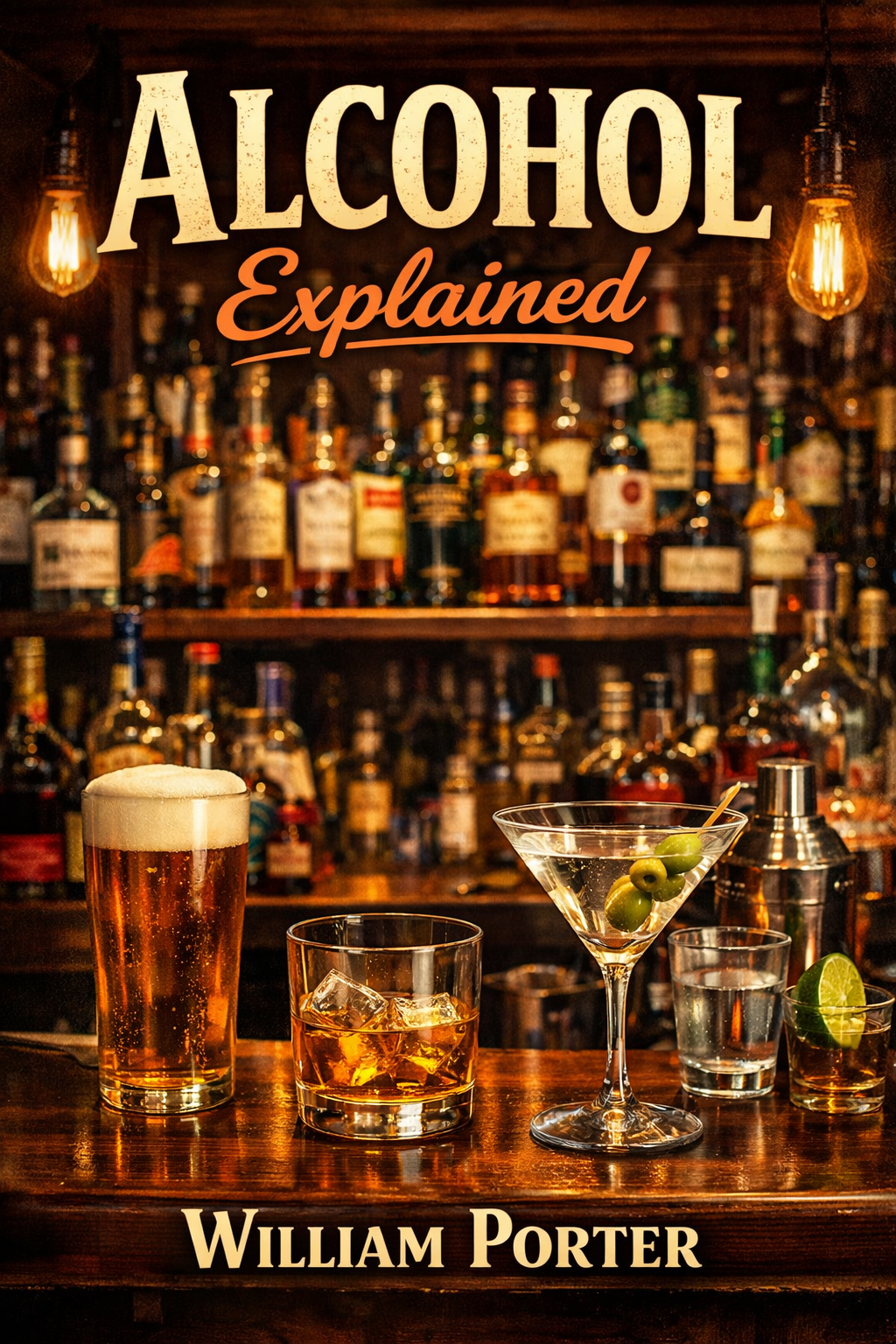
Alcohol Explained
Chapter Summaries
What's Here for You
Ever feel like you're drowning in information about alcohol, yet still struggling to understand its grip on you? 'Alcohol Explained' cuts through the noise. This book promises to dismantle the illusions surrounding alcohol, revealing its true nature as an anesthetic and depressant. You'll gain a profound understanding of the physiological and psychological mechanisms driving your drinking habits, from cravings and perceived relaxation to the subtle effects on sleep, emotions, and even memory. Prepare for an intellectual journey that challenges deeply ingrained beliefs, empowering you to break free from the cycle of addiction with clarity and confidence. Expect a no-nonsense, demystifying approach, using science and relatable examples to illuminate the path towards a healthier, alcohol-free life. This isn't about judgment; it's about understanding and ultimately, empowerment.
Introduction
William Porter begins by framing the challenge of understanding alcohol consumption and alcoholism not as a jigsaw puzzle with missing pieces, but as one flooded with excessive, often irrelevant information. He likens it to sorting through ten thousand pieces to find the essential hundred, a task complicated further by the fact that some crucial pieces are hidden in other puzzles, representing the chemical, physical, physiological, and psychological effects intertwining to create the accumulative impact of alcohol on individuals. Porter, drawing from his own 25 years of drinking, emphasizes his inherent curiosity and the relentless pursuit of practical answers, recounting how he researched the impact of alcohol on sleep in his early twenties when he experienced disrupted sleep patterns. Years of personal analysis and research led him to Alcoholics Anonymous, but its spiritual approach didn't align with his need for a logical, scientific understanding, a viewpoint solidified by his struggle to reconcile the concept of divine intervention in addiction with the broader suffering in the world. Porter questioned the notion of alcoholism as an irrational, collective insanity, driven to rationalize and understand each drink, unlike the absence of similar obsessions with water, despite the dangers of overconsumption. He recognized that his quest for understanding wasn't unique and that his insights could aid others, thus giving rise to "Alcohol Explained." The book aims to demystify alcohol consumption and addiction, offering a practical solution for those seeking to quit, based on Porter's research and personal observations. Porter advises those intending to stop or cut down drinking to read the book before drinking each day to maximize comprehension and absorption of the information, unless experiencing severe withdrawal, in which case focusing on one chapter a day with repetition is recommended. He advocates for analyzing one's own drinking in a quiet, private environment to test the ideas presented in the book, emphasizing that the book's value lies in proving its truths through personal experience and reflection. He paints a picture: a quiet room, a single glass, the drinker becoming a scientist of their own sensations, tracing the arc of each sip, each effect, validating or refuting Porter's assertions. For those who have already stopped drinking, Porter assures that they can still benefit from the book by reflecting on their past experiences, applying logic and common sense to the concepts discussed, without needing to relapse to test the principles.
The Physiological Effects of Drinking
In this chapter, William Porter elucidates the physiological tightrope walk our bodies perform when we consume alcohol. He begins by establishing that alcohol is medically recognized as an anaesthetic and a depressant, yet the human body doesn't passively accept this assault; it actively fights back. Porter draws a parallel to caffeine, illustrating how the brain adjusts its own stimulant production in response to regular coffee consumption, creating a dependence where grogginess sets in without that morning jolt. This sets the stage for understanding alcohol tolerance. The more we drink, the more our bodies adapt, not by strengthening the liver, but by sensitizing the nervous system and ramping up the production of counteracting stimulants and stress hormones, a physiological arms race against the depressant effects of alcohol. Porter emphasizes that this heightened state of alert, while a testament to our body's resilience, leads to increased anxiety and, paradoxically, depression when the alcohol wears off – a shadow self created by the drink itself. He paints a vivid picture: the relaxing effect of alcohol is merely a fleeting mirage, soon replaced by a desert of anxiety and potential depression. This chemical seesaw explains the tragic link between alcohol and self-harm, with hangovers exacerbating negative thoughts and feelings, creating a self-reinforcing cycle of despair. Porter dismantles the illusion that alcohol relieves depression, revealing it as the very cause, a cruel trick where the "cure" perpetuates the disease. He underscores that even the most successful individuals are not immune to this physiological trap, as the drink promises solace but delivers only deeper unhappiness. The author then addresses the question of why everyone isn’t an alcoholic if alcohol causes and then relieves anxiety, and points to the psychological factors, particularly the subconscious mind, that make alcohol consumption so addictive. Even a small drink has an imperceptible effect on the subconscious.
The Subconscious
In "Alcohol Explained," William Porter delves into the profound influence of the subconscious mind, that silent, ever-processing engine that dwarfs our conscious awareness. He illuminates how this hidden realm, receiving a torrent of unfiltered data, shapes our instincts and reactions, much like a seasoned driver's foot tensing for the brake even from the passenger seat—a ghost of learned behavior. Porter emphasizes that the subconscious isn't some mystical force, but a product of repeated experiences, a library of trial and error etched into our neural pathways. The central tension arises: the subconscious, though powerful, can be misled, especially concerning addiction. Porter argues that alcohol, with its fleeting promise of relaxation, hijacks this system. Each drink, initially offering relief from anxiety, subtly programs the subconscious to associate alcohol with solace, creating a deceptive loop. The tragedy, as Porter reveals, is that the subconscious mind struggles to connect alcohol to the anxiety it ultimately causes, focusing instead on the immediate, albeit temporary, relief. This misattribution is amplified by the speed at which a substance takes effect, with faster-acting substances forging stronger subconscious links. Porter highlights that while conscious understanding can lead one to reject alcohol, the subconscious, a stubborn mule, continues to trigger cravings, a relentless echo of past experiences. The author thus sets the stage for understanding addiction not merely as a physical dependency, but as a deeply ingrained subconscious pattern, a shadow play where the mind seeks fleeting comfort from a source that is, in reality, the architect of its unease. Like stepping onto a stationary escalator, we lurch into addiction, propelled by a miscalibrated expectation, a ghost of movement where none exists, forever seeking balance on unsteady ground.
Craving
In "Alcohol Explained," William Porter delves into the formidable force of craving, dissecting it as a psychological process applicable far beyond alcohol. He begins with a simple craving—an apple—to illustrate the mental battle that ensues when desire meets denial. The author paints a vivid picture: the apple becomes an obsession, a shimmering mirage that distracts from work, ruins relaxation, and holds happiness hostage. The choice, Porter suggests, is stark: succumb and momentarily silence the craving, or resist and let the day dissolve into misery, thus amplifying the craving's power for the future. This, he terms, the 'spiral of craving.' Porter emphasizes that while a craving for an apple seems trivial, substituting it with a more potent desire, like a favorite food when hungry, reveals the true intensity of deprivation. He then pivots to the drinker's plight, seeing everyone else enjoy what is forbidden, triggering subconscious desires and the agonizing spiral. This experience leads many to mistakenly believe in a genetic predisposition to alcoholism, when in reality, it's often a mental placebo, a self-inflicted misery perpetuated by the belief that alcohol equals happiness. The author underscores that craving's power lies in its ability to dominate the conscious mind, holding peace hostage until appeased. Porter argues that the act of attempting to stop drinking, and subsequently failing, paradoxically strengthens the addiction. The subconscious learns not merely that alcohol relieves anxiety, but that life without it is unbearable. He makes clear that the subconscious triggers are fleeting, but the conscious dwelling and fantasizing fans the flames of craving, creating mental agony. Ultimately, Porter reveals that individuals often drink not for pleasure, but to escape the torment of craving, a negative reinforcement cycle that traps them in a lose-lose situation, where life with alcohol brings its own set of miseries, while life without it is defined by relentless craving. The key takeaway is that the spiral of craving is a conscious choice, offering hope for those seeking to break free from addiction's grasp.
The Relaxing Effects of Alcohol
William Porter delves into the widely held belief that alcohol provides relaxation, a notion so ingrained that it's often the first reason given for drinking. He clarifies that alcohol, being a depressant and anaesthetic, numbs feelings like stress and discomfort, leading to a perceived mental relaxation. However, Porter highlights a crucial distinction: the physical intoxication and mental relaxation effects of alcohol operate at different speeds. He uses the example of drink driving the morning after heavy consumption to illustrate this, noting that individuals often feel sober despite still being physically impaired. It's as if the relaxing wave crests and crashes long before the tide of intoxication recedes. Porter explains that frequent drinkers develop a tolerance, where the physical effects outlast the sought-after mental ease. This leads to a cycle where more alcohol is consumed to recapture that initial relaxation, resulting in a compounding physical intoxication. He paints a vivid picture: chasing the ghost of relaxation, drinkers inadvertently stumble into overconsumption, a common pitfall. The author then explains that the brain's reaction to alcohol's depressant effect is to release stimulants, creating a rebound effect of increased anxiety once the alcohol wears off. This anxiety, however, isn't consciously linked back to the alcohol, leading the subconscious to associate alcohol with anxiety relief. Porter warns that this can trigger a spiral of craving, where one feels unable to function without alcohol. Ultimately, the author underscores that as tolerance builds, the relaxing effect diminishes, while the risk of losing control and becoming heavily intoxicated increases. He sets the stage for further exploration by pointing to the significant impact alcohol has on sleep, a critical yet often overlooked aspect.
Alcohol and Sleep
In "Alcohol Explained," William Porter tackles a widely misunderstood relationship: that between alcohol and sleep. He notes the common misconception that alcohol aids sleep, a fallacy he dismantles by explaining alcohol's disruptive effect on natural sleep cycles. Porter highlights how sleep deprivation, often a consequence of alcohol consumption, leads to serious health problems, affecting everything from alertness and mood to physical strength. He elucidates the crucial roles of slow wave sleep (SWS) and rapid eye movement (REM) sleep, emphasizing that alcohol consumption reduces REM sleep and fragments the overall sleep architecture, leading to a less restorative experience. The initial deep sleep induced by alcohol is deceptive, masking the lack of essential REM sleep, like a gilded cage promising rest but delivering deprivation. Porter explains that the body's natural sleep cycles are most beneficial, and interference, especially through alcohol, causes significant problems. He points out that drinkers often wake up around five hours after their last drink due to the onset of alcohol withdrawal, resulting in fitful sleep and a lack of deep rest. Even a single drink can disrupt these patterns, and the cumulative effect of sleep deprivation exacerbates feelings of tiredness, short temper, and a propensity to overeat or skip exercise. Porter connects this sleep disruption to increased consumption of stimulants like caffeine and nicotine, further fueling a cycle of imbalance. He argues that the stress hormones released are not worked out of the system, leading to reliance on alcohol for relief. Porter stresses that disrupted sleep patterns take time to repair, often requiring several days of abstinence to restore normal sleep. For those using alcohol to combat insomnia, the brain ceases to trigger its natural winding-down process, becoming dependent on the depressant effects of alcohol, a dependency that requires several days to reverse once alcohol is removed.
Dehydration
William Porter delves into the perplexing relationship between alcohol and dehydration, challenging the common belief that alcohol's dehydrating effect directly fuels further drinking. He begins by painting a picture of the human body as a carefully calibrated ecosystem, where the brain acts as a vigilant guardian of water reserves, adjusting levels based on environmental cues like temperature. Porter uses the metaphor of a car's fuel gauge to illustrate how the body senses and responds to water levels, triggering thirst when reserves dip too low. The central tension arises when alcohol enters the equation, disrupting this finely tuned system. Porter explains that alcohol essentially 'recalibrates' the body's internal water gauge, creating a false impression of adequate hydration, which leads to the expulsion of water and a delayed thirst response. He vividly describes how this recalibration prevents the body from recognizing its dehydrated state during drinking, rendering attempts to rehydrate mid-session futile. Porter underscores the danger of exercising after drinking, as the body remains oblivious to its critical hydration levels, potentially leading to severe consequences. He resolves the confusion by emphasizing that true rehydration can only occur once the alcohol's effects have worn off and the body's gauge returns to its normal setting, triggering genuine thirst. It's like waiting for the fog to lift before trusting your senses again, a crucial moment for intervention.
Taste
In 'Alcohol Explained,' William Porter delves into the perplexing question of why people believe they enjoy the taste of alcohol, arguing that it's not the alcohol itself, but rather the complex concoctions it's mixed within. He begins by emphasizing that pure alcohol is a toxin, a poison that our bodies instinctively reject, triggering reactions like watery eyes, retching, and vomiting, mechanisms designed to protect us from harm. The central tension arises: if alcohol is inherently repulsive, why do alcoholic drinks hold such appeal? Porter elucidates that alcoholic beverages contain only a small percentage of alcohol, masked by other strong flavors from hops, barley, grape juice, or whiskey-making ingredients. He uses the analogy of diluting a vile substance in something palatable, like a drop of dog urine in orange juice, to illustrate how the pleasant taste of the dominant ingredient overshadows the unpleasantness of the alcohol. Furthermore, Porter explains the impact of temperature on taste, noting that chilling drinks diminishes our ability to fully taste them, which can be a clever disguise for unpalatable, even poisonous, elements. It's like muting a discordant note in a symphony. He also touches on acquired taste, suggesting that repeated exposure to unpalatable substances can desensitize our taste buds, allowing us to tolerate, or even enjoy, flavors that were initially repulsive. This tolerance, however, doesn't equate to genuine enjoyment of the alcohol's taste but rather a reduced sensitivity to its inherent toxicity. Ultimately, Porter reveals that the perceived enjoyment of alcoholic drinks is a carefully constructed illusion, a triumph of masking flavors over the body's natural aversion to poison, inviting us to question our deeply held beliefs about taste and pleasure.
Alcohol and Fitness
William Porter, in "Alcohol Explained," delves into the nuanced relationship between alcohol consumption and physical fitness, challenging the common misconception that health is merely a matter of avoiding catastrophic illness. He illuminates the crucial role of red blood cells in oxygen delivery, revealing that fitness hinges on the concentration and efficiency of these cells. Porter highlights that consistent exercise increases red blood cell concentration and rejuvenates them, enhancing oxygen transport and lowering resting heart rate, painting a vivid picture of the body's adaptive response to physical demands. Conversely, he argues, activities that elevate heart rate without corresponding physical exertion, such as stress or stimulant use, can paradoxically erode fitness. Porter elucidates how alcohol, while initially appearing to slow the heart rate, triggers a surge of stimulants as it wears off, creating a physiological backlash that mimics the effects of chronic stress. This stimulant after-effect, lingering long after the alcohol is metabolized, actively diminishes fitness levels. The author doesn't shy away from addressing the broader lifestyle implications, noting that the lethargy induced by drinking further impedes exercise, creating a negative feedback loop. Moreover, he connects alcohol consumption to obesity, compounding the detrimental effects on physical well-being. Porter dismantles the illusion of risk-free drinking, asserting that each drink incrementally chips away at one's fitness, and that a decline in physical well-being inevitably impacts mental resilience, painting a stark picture of the interconnectedness of physical and mental health. Ultimately, Porter urges readers to consider the comprehensive impact of alcohol, extending beyond immediate health crises to encompass the subtle yet significant erosion of fitness and overall quality of life; it’s not just about avoiding the cliff, but minding the gradual slope.
Alcohol’s Effect on Emotions
In this exploration of alcohol's impact on our emotional landscape, William Porter dissects the common misbelief that alcohol unveils our 'true selves.' He points to the limbic system, the brain's emotional core, and how alcohol, as a depressant, inhibits its function, affecting both memory and emotional states. Porter deconstructs the euphemism 'tired and emotional,' revealing its origins in political circles as a mask for inebriation. The author confronts the dangerous link between alcohol and heightened emotions, particularly anger and regret, challenging the notion that alcohol simply removes inhibitions. Instead, Porter argues that alcohol impairs the brain's ability to regulate emotions, leading to unchecked reactions. Like a dam breaking, minor irritations can surge into disproportionate anger, or fleeting sadness can deepen into despair. Porter highlights that the illusion of relief from negative emotions is a dangerous trap; while alcohol offers a short-term anesthetic effect, it ultimately amplifies those very emotions. He draws a stark contrast: if alcohol truly relieved negative emotions, then heavy drinkers should be the happiest, most serene individuals, a reality far from the truth. Porter emphasizes that the subconscious mind recognizes the immediate numbing effect of alcohol, but fails to grasp the gradual accumulation and amplification of negative emotions, creating a vicious cycle. He likens a relationship to a tower, each argument chipping away at its foundation and alcohol accelerates this damage, causing rifts that might otherwise never occur. Ultimately, Porter asserts that the 'drunken self' is a distorted version, a 'poor quality' self, prone to irritability and unchecked emotions. Even seemingly positive emotions, like humor, can become grating when amplified by alcohol. He concludes by stating that recognizing this distortion is crucial to understanding alcohol's profoundly negative impact on our emotional well-being.
Blackouts
William Porter delves into the unsettling phenomenon of alcohol-induced blackouts, clarifying that these aren't mere unconsciousness but periods of activity devoid of memory. Porter addresses the fear that blackouts can instill, making drinkers feel like they're losing control or even their sanity, a sentiment fueled by the chasm between their blackout behavior and sober selves. He demystifies this experience by breaking it down into three core elements: the immediate effects of alcohol, the subsequent withdrawal, and alcohol's disruptive influence on memory. Porter elucidates the workings of memory, contrasting short-term and long-term storage, suggesting alcohol primarily interferes with the transfer from short-term to long-term memory. It’s not just about extreme drunkenness, but the cumulative effect of drinking over time that erodes this transfer, like a slow leak in a dam. The immediate effect of alcohol lowers inhibitions and amplifies emotions, creating a perfect storm for regrettable actions. Imagine a stage where the spotlight is too bright, and the script is half-forgotten. Compounding this is the withdrawal phase, where the drinker, already vulnerable, views their blackout behavior through a lens of heightened anxiety and self-reproach. This creates a stark contrast, making it feel as if a completely different person was responsible. Porter underscores that while not everyone experiences blackouts, the underlying mechanisms—impaired judgment, emotional volatility, and memory lapses—affect most regular drinkers. He reframes these experiences not as signs of inherent flaws, but as predictable consequences of alcohol's impact on the brain, offering a pathway to understanding and, potentially, to change.
Emotional Resilience
In 'Alcohol Explained,' William Porter delves into the profound connection between emotional acceptance and psychological well-being. Drawing from a study in the Journal of Personality and Social Psychology, Porter illuminates a central truth: resisting negative emotions inflicts more damage than embracing them. He shares a personal anecdote, recounting his initial terror of conflict and public speaking, a fear gradually overcome through repeated exposure. This mirrors the chapter's core argument: facing unpleasant situations builds resilience. Porter highlights how our perception of 'good' and 'bad' is relative to our experiences; what constitutes a 'bad day' varies drastically depending on one's baseline reality, a soldier's shower and clean bed becomes a moment of pure bliss, a stark contrast to civilian life where such comforts are often taken for granted. Porter warns against the trap of anesthetizing negative emotions with substances like alcohol. This avoidance, he argues, prevents us from developing crucial coping mechanisms and emotional strength. He paints a picture of the western world's tendency to seek constant happiness, often resorting to external remedies at the slightest hint of discomfort, but true growth lies in allowing ourselves to experience the full spectrum of emotions. By facing unhappiness, we cultivate resilience, learning to navigate life's inevitable challenges with greater fortitude. It's a journey of facing the storm, not running from it, understanding that each challenge weathered adds to the strength of our emotional core.
Shyness – Drinking at Social Occasions
In this chapter of *Alcohol Explained*, William Porter delves into the complex relationship between alcohol and social anxiety, revealing how the perceived benefits of drinking in social situations are often illusory. Porter suggests that our initial experiences with alcohol can create a false association between drinking and feeling more comfortable, especially in the often stressful environment of social gatherings. He illuminates the inherent psychological process: even without alcohol, our stress levels tend to decrease as an event progresses, a natural easing that alcohol often masks. Like children clinging to their parents initially only to later revel in the freedom of play, our anxieties diminish as we acclimate. The author argues that relying on alcohol prevents us from truly addressing the root of our shyness, instead reinforcing the belief that we can't enjoy social occasions without it. Porter, admitting his own discomfort in social settings, challenges the notion that alcohol loosens us up, pointing out that it often simply replaces shyness with drunkenness and the anxiety of trying to appear sober. He paints a vivid picture: a crowded room, initial awkwardness, and the subtle shift as genuine connection begins to emerge, a connection alcohol can actually hinder. Porter emphasizes that social events, though potentially stressful, offer opportunities to build confidence and gradually overcome shyness, but only if we allow ourselves to experience them without the crutch of alcohol. He highlights the physiological aspect of socialization, noting that our brains release chemicals that promote happiness and relaxation when we are genuinely relaxed and engaged. However, alcohol can hijack this process, taking credit for feelings we would have experienced naturally, or preventing the release of these chemicals altogether if we approach social situations with a sense of deprivation and anxiety. Ultimately, Porter advocates for facing social situations sober, trusting in our innate ability to adapt and connect, and allowing ourselves to experience the genuine joy of human interaction, unclouded by alcohol.
Drinking and Obesity
William Porter, in *Alcohol Explained*, tackles the often-underestimated link between alcohol and weight gain, revealing it as more than just a superficial concern. He begins by dismantling the illusion that alcohol's inability to be stored as fat is a positive attribute; instead, it forces the body to prioritize its metabolism, ensuring that other consumed calories are readily stored as fat—like a dam redirecting a river’s flow. The author explains how alcohol acts as both an appetite stimulant and an anesthetic to fullness cues, creating a perfect storm for overeating. Porter then highlights the insidious role of alcohol in depleting vital nutrients, triggering hunger that cannot be satisfied by empty calories, leading to a vicious cycle of craving and consumption. The central tension is clear: alcohol disrupts the body's natural weight-regulation system in multifaceted ways, impacting not only calorie intake but also nutrient absorption and hormonal balance. He outlines five key ways alcohol sabotages our weight-loss efforts, from stimulating hunger and dulling satiety to disrupting nutrient absorption and exacerbating tiredness. Porter shines a light on the often-overlooked impact of alcohol on men's testosterone levels, leading to weight gain and a cascade of related health issues, shattering the macho image often associated with heavy drinking. The author contrasts the superficial image of the 'hard-drinking' male, with the reality of the physical and emotional consequences. Porter shares his personal experience of effortless weight loss and dietary transformation after quitting alcohol, illustrating the body's remarkable ability to heal and rebalance once freed from alcohol's influence. Finally, the author addresses the paradox of alcoholics often appearing gaunt, explaining that while moderate drinking stimulates appetite, chronic heavy drinking can lead to a complete loss of appetite due to the body's physiological reaction, pushing the body to its limits. Porter ultimately reveals that understanding alcohol's complex impact on our bodies is crucial for breaking free from its grasp and reclaiming our health.
‘I Shall Be as Sick as a Dog in the Morning’
William Porter delves into the perplexing phenomenon of the alcohol-induced hangover, a state so common it's almost a rite of passage, yet so illogical upon closer inspection. He questions why we willingly drink to the point of illness, a behavior we'd find deeply concerning if applied to food. Porter highlights how alcohol cleverly bypasses our body's natural defenses against poisoning by anaesthetizing the nausea receptors, allowing us to consume far beyond our limits. He points out the strangeness that the worst effects manifest the morning after, not during the act itself, a delayed reaction that defies logic when compared to other toxins. The author reveals that the desire to over-drink stems from alcohol's fleeting mental relaxation, a mirage that quickly dissipates, leaving behind a heightened sense of anxiety, thus creating a vicious cycle of chasing that initial calm. Like a moth drawn to a flickering flame, we pursue the feeling, unaware of the impending burn. Porter explains that the delayed illness is due to the body's metabolism of alcohol into acetaldehyde, a toxic substance, combined with the wearing off of alcohol's anaesthetic effect, unmasking the true extent of the damage. He emphasizes that the immediate tranquility is a deceptive illusion, masking the body's distress signals until the morning brings the full reckoning. Porter laments how easily individuals, even after experiencing severe consequences, can return to drinking, their resolve fading like morning mist. This cyclical nature, the frustrating ease with which one can quit temporarily yet struggle to stay stopped, forms the core challenge for those battling alcohol's grip. Ultimately, Porter sets the stage for understanding why the desire to quit often evaporates, paving the way for a deeper exploration of this self-destructive pattern.
Fading Affect Bias
William Porter, in exploring the concept of Fading Affect Bias, or FAB, illuminates how our memories play tricks on us, often softening the edges of past hardships while burnishing the glow of positive experiences. He sets the stage by explaining that FAB isn't about total amnesia of the bad, but rather a subtle warping where the good lingers and the bad recedes, like a photograph left too long in the sun. Porter draws from personal experience, recalling his military service and the terror of parachuting, now viewed through a lens of exhilaration, the fear strangely muted. He extends this to the universal experience of parenthood, where the daily chaos transforms, in retrospect, to a period of idyllic charm. The author then pivots to the core issue: how FAB insidiously affects our perception of alcohol or drug use, blurring the lines of past negative experiences and amplifying the positive ones, making the allure of relapse ever-present. Even after periods of abstinence, the mind, he notes, tends to downplay the misery and magnify the fleeting moments of pleasure. Porter emphasizes that while FAB can't erase the factual horrors of addiction—the lost jobs, broken relationships—it can soften the emotional blow, creating a dangerous illusion of control. It is like a siren song, luring individuals back with promises of manageable enjoyment. He argues that the romanticized portrayals of alcoholics in media further distort reality, allowing individuals to see themselves not as they were, but as caricatures of charm and rebelliousness. He then transitions to the impact of physical well-being on mental state, showing how the immediate aftermath of a binge brings stark clarity, but as physical health returns, so does a dangerously optimistic outlook, weakening resolve. Ultimately, Porter warns that understanding FAB is crucial in combating addiction, as it reveals the subtle yet powerful ways our minds can betray us, rewriting history to justify harmful behaviors, urging us to be aware of the mind's inherent bias towards the positive when reflecting on past experiences with drinking.
The Slowing Down of the Mind – Boredom Drinking
William Porter, in *Alcohol Explained*, delves into the insidious link between alcohol consumption and boredom, revealing how the slowing effect of alcohol on the brain can create a deceptive sense of contentment. The author illuminates the counterintuitive notion that people often drink not for the pleasure of the drink itself, but as a means to alleviate boredom, a state of mental under-stimulation. He argues that alcohol doesn't make dull situations interesting; instead, it impairs cognitive function, lowering the threshold for what the mind finds acceptable as stimulation. Imagine the mind as a finely tuned engine, now running sluggishly, content with idling when it should be racing. Porter highlights a vicious cycle where alcohol-induced fatigue diminishes the drinker's energy and enthusiasm for engaging in worthwhile activities. This, in turn, exacerbates boredom, leading to increased alcohol consumption and further lethargy. He points out that many individuals who wouldn't consider themselves alcoholics still find it difficult to limit themselves to just one or two drinks, a pattern with significant implications that will be explored further. The core insight here is that alcohol doesn't solve boredom; it merely masks it by numbing the mind, trapping individuals in a self-perpetuating loop of inactivity and increased drinking. Ultimately, Porter sets the stage for a deeper analysis of this drinking behavior, hinting at the far-reaching consequences of using alcohol as a crutch against the ennui of everyday life.
‘I’d Rather Have No Drinks Than Just One or Two’
William Porter delves into the perplexing mindset of many drinkers who prefer complete abstinence over moderate consumption, a sentiment he himself once shared and heard echoed countless times. He challenges the surface-level understanding of this preference, suggesting it hints at a deeper issue: a struggle with stopping once the chemical substance, alcohol, takes hold. Porter equates this difficulty to a form of addiction, questioning whether it isn't, in essence, alcoholism. The author dismantles the illusion that a single drink offers a sustained relaxation, revealing instead that the initial ease quickly dissipates, leaving behind anxiety and a craving for more. It's as if the body, anticipating a familiar flood, overreacts to a mere trickle, creating a state of unease that demands further satiation. Porter paints a vivid picture: imagine a finely tuned instrument thrown out of sync, each drink a note that sharpens into discord, demanding another to restore a fleeting harmony. He elucidates how, over time, the body becomes hyper-efficient at countering alcohol's effects, releasing stimulants in anticipation, thus requiring increasingly larger doses to achieve the desired calmness. This escalating need explains why drinkers often gravitate towards stronger drinks, larger measures, and quicker consumption—a relentless pursuit of a vanishing feeling. Porter underscores a crucial point: this physiological process isn't exclusive to alcoholics but a universal reaction to alcohol consumption; the alcoholic simply possesses a body that reacts more efficiently and a subconscious that strongly associates drinking with relief. He then offers a practical test: on a free day, consume your usual amount of alcohol by 4 p.m., abstain thereafter, and observe the feelings that arise—a stark experiment in self-awareness. By understanding the body's intricate response to alcohol, Porter empowers readers to recognize the subtle yet powerful forces driving their consumption habits, ultimately illuminating the path towards informed choices and freedom from the cycle of craving and dissatisfaction.
The Process for the Binge Drinker
In "Alcohol Explained," William Porter delves into the insidious process by which binge drinking can lead to alcohol dependency, painting a stark picture of alcohol as a poison that masks its own damage. The author explains how the initial, seemingly minor negative effects of alcohol are easily dismissed in youth, a period when bodies are more resilient, and hangovers are clearly attributed to the alcohol itself, leading to temporary abstinence. However, Porter illuminates a turning point, often exemplified by social occasions like weddings, where individuals drink despite feeling unwell from previous alcohol consumption. He highlights the subconscious lesson learned: that more alcohol can alleviate the unpleasant feelings caused by alcohol, a dangerous cycle. The cycle, Porter warns, gains momentum as the subconscious mind increasingly associates alcohol with relief, overriding the body's natural aversion. The author uses the micro-metaphor of 'bricks in the wall' to describe how each instance of drinking to cure a hangover reinforces this association, gradually constructing a mental prison. Porter emphasizes that the most critical drinks are those taken when suffering the most, as they provide the greatest relief and thus the strongest reinforcement. He contrasts this with the experience of drinking after a period of abstinence, where the absence of withdrawal symptoms diminishes the perceived benefit, revealing that the 'boost' from alcohol is often merely the alleviation of self-inflicted harm. Porter then describes the intense pressure to drink in social situations, further solidifying the subconscious association between alcohol and relief. Porter illustrates the weekend drinking culture as another breeding ground for dependency, where individuals force themselves to drink through hangovers, reinforcing the dangerous lesson. Finally, Porter concludes that alcoholism develops when the instinctive reaction to feeling ill from drinking shifts from revulsion to craving, driven by the knowledge that alcohol provides temporary respite, and the binge drinker becomes trapped in a cycle where the very substance causing harm is sought as the cure.
The Process for the Regular Drinker
William Porter delves into the subtle yet insidious process of addiction in regular drinkers, drawing a contrast to the more pronounced patterns of binge drinkers. He illuminates how, while the binge drinker experiences stark peaks and valleys, the regular drinker navigates a landscape of gentle slopes, where the relief from alcohol's effects, though less intense, occurs with greater frequency. The author explains that this regularity cultivates a subconscious association between alcohol and relief, subtly yet powerfully reinforcing the addictive cycle. Porter emphasizes the critical role of disrupted sleep patterns, noting that the regular drinker often suffers from cumulative sleep deprivation, creating a persistent state of tiredness that alcohol seems to alleviate. This creates a vicious cycle, as the very substance promising relief becomes the architect of the problem it purports to solve. Like a slow drip eroding stone, the accumulative effect of even small amounts of alcohol each day gradually increases the body's tolerance, requiring ever-increasing doses to achieve the same level of relief. Porter underscores that this escalation isn't just about physical tolerance; it's intertwined with a growing sense of tension and aggravation that alcohol initially masks but ultimately exacerbates. He paints a picture of the chronic alcoholic, not as someone making irrational choices, but as an individual trapped in a web of physiological and psychological dependencies, seeking to quell the very discomfort that alcohol itself has woven into their being. The author resolves by offering a compassionate lens through which to understand the chronic alcoholic's plight, urging us to recognize the insidious nature of addiction and the complex interplay of factors that perpetuate the cycle.
A Typical Alcoholic Day Explained
In "Alcohol Explained," William Porter dissects the grim reality of a typical day for an alcoholic, painting a stark picture of physical and mental torment. The day often begins not with a refreshing start, but with the alcoholic 'coming to,' mired in the throes of withdrawal—a cocktail of nausea, anxiety, and profound depression. Porter emphasizes that this isn't merely feeling unwell; it's a primal vulnerability, hijacking the mind's ability to cope. The author highlights how alcohol, initially sought as a means of escape, becomes the very cage trapping the individual. The central tension lies in the immediate relief alcohol provides versus the long-term devastation it wreaks. Porter elucidates the self-perpetuating cycle: the more one drinks to anaesthetize the pain, the deeper the subsequent withdrawal, creating an ever-tightening spiral. The feeling of being unable to function without alcohol isn't a moral failing, but a consequence of the brain's reaction to constant chemical interference, as it desperately tries to restore balance. Porter draws a vivid picture: the alcoholic, caught between the devil of withdrawal and the deep blue sea of further addiction, genuinely believes alcohol is the only remedy for a perceived deficiency. He explains the phenomenon of alcohol-induced unconsciousness, revealing it not as a deliberate act, but as an accidental plunge into oblivion when the stimulant effects keeping exhaustion at bay are suddenly neutralized. The author underscores that the alcoholic isn't inherently flawed but is trapped in a cycle of misinformation and desperate attempts to self-medicate, a situation exacerbated by a lack of understanding about alcohol's true nature. Ultimately, Porter humanizes the struggle, urging us to see the alcoholic not as a pariah, but as someone making tragically misinformed choices in an impossible situation, a poignant reminder of the power of knowledge in breaking the chains of addiction.
Do I Have a Problem? The Stages of Alcoholism
William Porter, in *Alcohol Explained*, navigates the murky waters of defining alcoholism, suggesting it's less about rigid labels and more about understanding one's personal drinking journey. He dismantles the conventional image of the 'alcoholic' as someone in constant, uncontrolled consumption, a misconception that once clouded his own self-assessment. Porter invites us to view our drinking lives as a continuum, from innocent unfamiliarity to all-consuming dependence, with the first drink marking the starting point. He highlights how that initial experience, colored by the situation—stressful or serene—sets the stage for future habits. The initial allure, especially when alcohol masks anxieties, can create a false sense of completion, a mirage of confidence. Yet, Porter cautions, the subconscious slowly learns to associate alcohol with relief, turning a blind eye to its poisonous effects. This transition, often subtle, marks the shift from aversion to craving, a slippery slope where the individual starts drinking through hangovers, then needing alcohol to simply function. He illustrates this with a tale of two students foregoing a luxury cruise simply because alcohol wouldn't be available, revealing how early dependence can manifest in specific situations. It's not about being 'addicted' or 'not-addicted,' but rather about the breadth of situations where alcohol becomes a crutch, a perceived necessity for coping or enjoyment. Thus, Porter urges a shift in perspective: instead of fixating on the label, examine the situations where one feels uneasy without alcohol, for those are the moments where dependence takes root. Like a loan shark offering immediate relief only to demand exorbitant repayment, alcohol's short-term boost masks long-term consequences, creating a cycle of debt. The core question then isn't just 'Do I have a problem?' but 'Is this worth it?', a frank cost-benefit analysis of alcohol's role in one's life. Ultimately, Porter emphasizes that recognizing the potential for a problem is itself a significant step, a moment of awareness that demands honest self-reflection and a willingness to challenge the status quo.
The Problem with Accepting That You Have a Problem
In "Alcohol Explained," William Porter delves into the paradox of acknowledging an alcohol problem, revealing how this very admission can initially amplify misery. He paints two stark scenarios: one of drunken chaos and another of fortunate solitude, both stemming from the same alcohol consumption. Porter illustrates that external circumstances and pre-existing unhappiness dramatically influence the severity of alcohol withdrawal's impact, suggesting that our baseline emotional state acts as a multiplier for post-drinking suffering. The author introduces a numerical analogy to highlight this, proposing that admitting a drinking problem layers guilt, shame, and worry onto existing life stressors, thus intensifying overall misery. This creates a vicious cycle where the anticipation of post-drinking depression fuels further drinking, diminishing any potential enjoyment and deepening regret. Porter underscores that the 'guilt-free' drinking of earlier years is unattainable once awareness dawns, a poignant reminder that the path is irreversible. He likens this to outgrowing beloved pastimes, like a cherished PlayStation, or a too-small home filled with memories, arguing that clinging to an idealized past prevents embracing positive change. The core insight here is that recognizing a drinking problem, while essential, initially amplifies emotional distress, demanding proactive strategies beyond mere acknowledgment. This is further compounded by the unreliability of memory, where we often look back on our drinking years with rose-tinted glasses thanks to Fading Affect Bias. Porter urges readers not to chase an illusion, but to accept that 'once it sours, it sours,' and find contentment in a life beyond alcohol, a perspective shift that transforms perceived loss into an opportunity for growth and celebration.
The Disease Theory of Alcoholism
In "Alcohol Explained," William Porter dissects the widely accepted disease theory of alcoholism, an idea suggesting that alcoholics possess a unique genetic predisposition that makes them inherently more susceptible to alcohol addiction than non-alcoholics. Porter acknowledges the surface-level appeal of this theory, particularly its explanation for why some individuals can casually consume alcohol while others spiral into dependency, and why alcoholism seems to run in families. He further notes how it attempts to explain why a recovering alcoholic can't simply return to moderate drinking after years of abstinence. The tale from Alcoholics Anonymous of the businessman who resumed drinking after retirement, only to succumb rapidly, serves as a chilling example. However, Porter argues that a closer examination reveals fatal flaws in this theory. The gradual onset of alcoholism, typically developing over years, contradicts the notion of an immediate genetic predisposition, like a seed that takes years to sprout; if addiction were purely genetic, it should manifest instantly, akin to heroin's rapid grip. Porter posits that the long-term consumption of alcohol, with its physical effects, subconscious triggers, and mental cravings, better explains the phenomenon. The prevalence of alcoholism in families, he suggests, stems from environmental and cultural factors, where heavy drinking is normalized. Finally, Porter addresses the inability of ex-alcoholics to return to moderate drinking, arguing that the mental pathways forged over years of associating alcohol with stress relief remain, creating a subconscious craving that never truly disappears. This ingrained association acts as a kind of mental muscle memory, always ready to be reactivated. Even after decades of sobriety, the alcoholic's mind remembers that alcohol provides relief, making even a single drink a potential catalyst for relapse. The author paints a picture of recovery as resting by the side of a road, not returning to the beginning; starting again means quickly covering familiar ground, reinforcing the learned behaviors. Porter then subtly shifts focus, setting the stage to examine Alcoholics Anonymous, a prominent proponent of the disease theory, and their methods for achieving sobriety.
Alcoholics Anonymous
William Porter, in *Alcohol Explained*, delves into the mechanics and paradoxes of Alcoholics Anonymous, or AA. He begins by outlining the 12-step program, emphasizing its core tenets: admitting powerlessness, seeking divine help, and making amends. Porter acknowledges AA's effectiveness for some, attributing its success to the act of surrendering control to a higher power, a move that can interrupt the spiral of craving at the heart of addiction. Imagine, he suggests, an individual on the precipice of relapse, suddenly able to relinquish their mental obsession, finding unexpected relief. This act of faith, however, becomes AA's central tension: its reliance on belief. Doubt, like a crack in a dam, can shatter the entire structure, allowing the craving to flood back in. Porter argues that the effectiveness of AA hinges on unwavering faith; skepticism undermines its core mechanism. Furthermore, Porter critiques AA's advocacy of the disease theory of alcoholism. While this theory provides a concrete reason for abstaining—the idea that an alcoholic can never drink safely—it simultaneously fosters a dangerous complacency among those who believe they are not predisposed to alcoholism. This belief, Porter asserts, can grant a false license to irresponsible drinking, inadvertently accelerating the path to addiction. The chapter resolves by highlighting the critical need to shift societal understanding: anyone who consistently over-consumes alcohol risks addiction, irrespective of genetic predisposition. Porter thus frames AA as a double-edged sword, potentially beneficial for those who fully embrace its spiritual framework, yet also capable of perpetuating harmful misconceptions about the nature of alcoholism itself. Ultimately, the chapter urges a universal recognition of vulnerability, a collective awareness that responsible drinking is not a matter of genetics but of consistent, mindful choice.
Just One Drink
In "Alcohol Explained," William Porter delves into the treacherous logic of 'just one drink,' a concept deeply intertwined with the disease theory of alcoholism championed by AA. Porter illuminates how the allure of controlled drinking—that elusive magic number of drinks—often masks a deeper, physiological reality. He meticulously dismantles the illusion that one can consistently maintain an optimal buzz, revealing how the body's compensatory mechanisms and the uneven pacing of intoxication and withdrawal conspire against such control. It's like chasing a mirage across a desert, the desired oasis of relaxation always receding just beyond reach. The author emphasizes that the craving for another drink isn't merely psychological; it's a physical withdrawal, a biological imperative that hijacks rational decision-making. Porter introduces the metaphor of a 'mental wall,' a fortress of reasons and resolutions erected against the temptation to drink. This wall, however strong initially, crumbles with the first drink, demolishing defenses and paving the way for a relapse. He underscores a crucial distinction: resisting that initial drink is paramount because it's the gateway to a cascade of impaired choices. The author shares a personal anecdote, a vivid recollection of breaking a four-month sobriety, only to be ensnared once more by the cycle of craving and relief, a cycle he now understands is perpetuated by the indelible memory that alcohol offers a temporary escape from discomfort. Thus, Porter resolves that the alcoholic's challenge isn't about moderation, but about absolute abstinence, understanding that for them, there can be no return to 'normal' drinking, only a commitment to keeping the wall strong.
Stopping Cold Turkey – The Physical
William Porter, in *Alcohol Explained*, tackles the daunting prospect of stopping alcohol consumption cold turkey, particularly without understanding its underlying mechanisms. He frames the discussion around the chronic alcoholic, presenting a worst-case scenario to manage expectations. Porter elucidates the physical challenges, painting a vivid picture of the initial hours post-cessation: the body, now devoid of alcohol's anaesthetic embrace, rebels with over-sensitive nerves, stimulant surges, and the stark realization of physical dilapidation. Nausea and an inability to sleep compound the misery, peaking around five hours after the last drink, a true crucible of discomfort. Yet, Porter offers a beacon of hope: this acute phase is largely confined to the first 24 hours. The narrative tension eases as he describes the gradual return of appetite and thirst, though sleep remains elusive, haunted by vivid, almost hallucinatory dreams. Porter confronts the common fear of alcohol-induced seizures, debunking the myth that sudden cessation is inherently fatal for chronic alcoholics. He clarifies that these seizures, essentially epileptic fits, are more prevalent among alcohol-dependent individuals due to the physiological toll of long-term heavy drinking, which exacerbates pre-existing conditions. The real danger, though rare, lies in delirium tremens, a severe condition primarily affecting long-term alcoholics. Porter underscores the importance of seeking medical advice before stopping, and then shifts to a more hopeful trajectory, charting the ex-drinker's path to recovery. Night sweats become a sign of the body purging toxins, a physical and symbolic cleansing. By the fourth or fifth day, the worst of the physical withdrawal subsides, the stimulants and over-sensitivity fading. While full recovery of lost sleep and nutrients takes longer—weeks for sleep, months for nutrition—the initial physical hurdle is cleared. Porter concludes with a crucial distinction: the physical withdrawal, though intense, is finite, lasting about five days. Any cravings beyond this point are rooted in the mental, not the physical, a new frontier to be explored.
Stopping Cold Turkey – The Psychological
William Porter, in this chapter of *Alcohol Explained*, delves into the psychological hurdles encountered when ceasing alcohol consumption abruptly. He explains that while physical withdrawal symptoms eventually subside, the mental addiction, fueled by subconscious triggers and the spiral of craving, often persists far longer. These subconscious triggers, he notes, aren't solely linked to chemical withdrawal but also to everyday stress and anxiety, creating a complex web of association. Porter illuminates how each instance of fantasizing about alcohol reignites the craving, further entrenching the addiction. He introduces the concept of FAB (Fading Affect Bias), where the fear that initially motivated the cessation diminishes over time, leading individuals to question the severity of their drinking problem, almost like a distant storm barely remembered. However, Porter offers a beacon of hope, emphasizing that these cravings, though seemingly eternal, rarely last indefinitely. Every successfully navigated situation without alcohol, every moment of distraction that short-circuits the craving spiral, builds confidence, albeit incrementally. Like tiny seeds pushing through concrete, these small victories accumulate, weakening the addiction's hold. Porter underscores that the anticipation of not being able to cope without alcohol is often worse than the reality. Each trigger resisted reinforces a new subconscious lesson: alcohol is no longer the default response. This reversal, while potentially lengthy, mirroring the years it took to develop the drinking habit, can be accelerated. The key lies in understanding and addressing the mental agony associated with stopping, a process distinct from the craving spiral but equally crucial for sustained sobriety. Porter sets the stage for exploring methods to ease this transition, offering guidance to make the journey toward sobriety as manageable as possible, a journey from darkness to light.
The Mental Agony of Stopping
William Porter, in *Alcohol Explained*, uses the children's film *Trolls* as a potent metaphor for understanding addiction and the perceived need for alcohol. He recounts the Bergens' misguided belief that consuming trolls is their only source of happiness, drawing a parallel to society's and, more importantly, the individual's instilled belief that alcohol is essential for enjoyment. The author illuminates how this belief, reinforced by societal cues and personal justifications, creates a self-imposed prison. Porter reveals that the struggle to quit often stems not from the physical absence of alcohol, but from the anticipated misery of a life devoid of it, a misery amplified by the false notion that happiness is externally derived, like the Bergens' reliance on trolls. This perceived loss of future pleasure morphs into a despair so profound that returning to the drug seems the only viable option, a cycle of abstinence and relapse fueled by the mind's anticipation of unending unhappiness. He then introduces the concept of hope as an antidote, but emphasizes that when the source of misery is believed to be inescapable—life without alcohol—despair takes root. Porter underscores that the addict's choice, though seemingly irrational, is often driven by the perceived lesser of two miseries: the misery of addiction versus the despair of abstinence. He also dissects the allure of 'one day at a time' approaches and time-limited abstinence, noting that while they offer temporary relief, they fail to address the underlying belief system. Finally, Porter pivots to a message of empowerment, asserting that this entire mental construct, this prison of addiction, rests on a single, false premise: the belief that happiness is impossible without alcohol. The key to breaking free, he insists, lies in understanding the illusory nature of alcohol's perceived benefits and embracing the reality that life, in fact, becomes far more enjoyable without it, a life where genuine happiness comes from within.
A Better Way of Stopping – The Options
In this chapter, William Porter unpacks the limitations of conventional addiction treatments, framing addiction as a four-part interplay: physical triggers, subconscious cues, the craving spiral, and the mental anguish of withdrawal; he notes that many approaches falter because they only address one facet, often the physical. Porter critiques replacement drugs for merely delaying the inevitable withdrawal, a bit like shifting deck chairs on the Titanic, and acknowledges Alcoholics Anonymous for its reactive approach to craving. He then elevates the Allen Carr method for its proactive stance, dismantling the illusion of benefit derived from the addictive substance. Carr's method reframes triggers not as instigators of craving but as reminders of freedom, thus negating the mental agony of stopping. However, Porter notes Carr's method, while effective for smoking, falls short with alcohol due to its failure to address alcohol-specific intricacies like physical withdrawal and sleep deprivation. Porter underscores the necessity of a comprehensive, accurate understanding of a drug's effects to effectively challenge the addict's perception of its benefits, emphasizing that addicts intuitively sense inaccuracies. The core idea is that addiction persists because a part of the mind still desires the substance, believing life will be diminished without it; therefore, complete understanding is the key to dismantling this illusion. Ultimately, Porter argues that overcoming alcohol dependency hinges on confronting subconscious triggers, the craving spiral, mental anguish, the fleeting effects of alcohol, and, for those still drinking, the physical withdrawal symptoms, suggesting that clarity dissolves the confusion and illusion of dependency.
A Better Way of Stopping – The Subconscious Triggers, the Spiral of Craving, and the Mental Agony of Stopping
In this chapter, William Porter illuminates the path to overcoming alcohol addiction by addressing the subconscious triggers and cravings that often lead to relapse, a journey not of mere abstinence, but of fundamentally altering one's desire. Porter explains that these triggers, much like a dripping tap, constantly remind us of alcohol, and the key lies not in avoiding these thoughts—an impossible task—but in reshaping our response to them. He introduces the analogy of alcohol as a deceitful loan shark, offering fleeting pleasure only to extract far greater unhappiness in return, a debt that compounds with each drink. To counteract these triggers, Porter urges us to confront the reality of drinking, avoiding the seductive allure of fantasy and instead vividly recalling the negative consequences: the feeling of failure, the disappointment of loved ones, and the inevitable return to old habits. He emphasizes the subconscious learns through impactful experiences, akin to the lesson learned from a near-burn, suggesting that each trigger presents an opportunity to reinforce the negative associations with alcohol, diminishing its appeal. Porter advocates for analyzing one's drinking habits, questioning the supposed benefits and recognizing that the relaxing effect of alcohol is merely the alleviation of anxiety caused by previous consumption, a cycle of self-inflicted harm. Furthermore, he underscores the importance of certainty: making an unwavering commitment to never drink again, understanding that even a single drink can reignite the addiction, leading back to the starting point. Finally, Porter addresses the common belief that one can drink in moderation, reminding us that this is a dangerous illusion, as the natural tendency is towards increased consumption, reinforcing the all-or-nothing nature of overcoming addiction, and turning potential triggers into reminders of freedom.
A Better Way of Stopping – The Effects of FAB
William Porter delves into the phenomenon he terms FAB—Fading Affect Bias—revealing how it subtly distorts our memories of alcohol use, painting a rosier picture than reality warrants. He likens understanding FAB to understanding a magnifying glass; knowing how it works allows us to see past the illusion it creates. The initial hurdle, Porter notes, isn't always stopping drinking; it's *staying* stopped, as FAB gradually replaces grim memories with fond fantasies. To combat this, Porter suggests employing a 'human happiness scale,' ranging from -100 to +100, to meticulously document one's emotional state while drinking. This involves chronicling key moments throughout the day—upon waking, after the first drink, during arguments—to create an accurate, unvarnished account of life as a drinker. The challenge lies in resisting the urge to sugarcoat entries with the anticipation of quitting; the goal is raw honesty. Porter urges individuals to dissect the fleeting euphoria of that first drink, questioning whether it's genuine happiness or merely anaesthesia masking underlying issues. He advocates for continuing this practice even after cessation, providing a stark contrast between the lows of drinking and the gradual upliftment of sobriety. This diary, Porter argues, serves as a bulwark against FAB, a written testament to the reality of drinking that can be consulted when rose-tinted memories begin to surface. In essence, Porter champions a proactive approach, urging readers to confront the illusion of FAB head-on, armed with documented truth, to fortify their resolve and sustain long-term sobriety, turning the act of remembering into a tool for recovery.
A Better Way of Stopping – Undermining the Addiction
William Porter, in "Alcohol Explained," directs us toward a profound shift in perspective, arguing that the key to dismantling addiction lies in debunking the illusion of pleasure derived from the addictive substance itself. He urges us to dissect our most cherished drinking scenarios, those idyllic moments that seem inseparable from alcohol, and expose the truth: that alcohol often takes credit for situations it merely taints. Porter uses vivid examples, like the end of a hard-won workday culminating on a balcony overlooking the sea with a cold beer, to illustrate how we mistakenly attribute the pleasure to the alcohol rather than the confluence of satisfying elements already present—the relief, the accomplishment, the beautiful setting. He challenges the listener to consider what alcohol truly adds, often revealing a dulled sensation and the looming threat of future misery. It’s like alcohol is a stage magician, distracting us from the real sources of joy. The author emphasizes that the real work begins when one undertakes a thorough analysis of their drinking triggers, not just the idealized ones, but every situation where temptation arises. He stresses the importance of proactive mental preparation, envisioning oneself navigating these scenarios without alcohol, reveling in the clarity and control gained. Porter suggests that through imagination and diligent effort, one can dismantle the perceived power of alcohol, embracing the knowledge that life's experiences can be enjoyed more fully without its influence, free from the potential for drunken arguments, restless nights, and self-loathing mornings. This process, while demanding, promises a reward of freedom from addiction, a state where one’s life is no longer tinged by the absence of alcohol, but illuminated by its absence.
A Better Way of Stopping – The Physical Withdrawal
William Porter addresses the daunting, yet often overstated, challenge of physical withdrawal from alcohol. He emphasizes consulting a doctor, although most individuals won't require monitoring. Porter dismantles the fear surrounding withdrawal, portraying it not as an insurmountable ordeal, but as a brief period of discomfort—perhaps one bad day, two at worst, followed by a few subpar days. He underscores the importance of mental fortitude, advising readers to prepare for this temporary suffering, occupying themselves with distractions like books or television if possible. When anxiety surges, he suggests gentle activities such as eating, drinking, and walking. Sleep, often elusive during this period, becomes a focal point; even fleeting moments of rest are victories. Porter acknowledges the temptation to seek solace in online forums but cautions against advice that contradicts the book's principles. The author’s voice serves as a steady hand, guiding the reader through the storm of physical discomfort, reminding them that the benefits of sobriety far outweigh the temporary pain. He frames the withdrawal not as a life sentence, but as a fleeting storm—intense, yes, but destined to pass, revealing a brighter horizon of health and well-being.
The Benefits of Stopping
William Porter, in 'Alcohol Explained,' illuminates the profound advantages of ceasing alcohol consumption, far beyond mere sobriety. He begins by emphasizing the restoration of peak physical and mental health, a cornerstone often underestimated, suggesting that our mental resilience is intrinsically linked to our physical well-being; hangovers and sleep deprivation erode our capacity to cope, but abstinence dramatically reverses this decline. Porter highlights the regaining of self-respect and control as a major victory, solving what may be the biggest problem in one's life. As health returns, individuals often surpass their well-being during active drinking, becoming better equipped to handle life's pressures. Porter then shifts focus to the ripple effect on relationships, noting how alcohol-induced anxiety and fatigue breed irritability, unseen by the drinker but acutely felt by those around them, often mistaking their own internal state for external annoyances. He shares a personal revelation: sobriety unveiled a newfound patience and tolerance, transforming his interactions. Porter underscores that drunk people, even mildly so, can be irritating to the sober, their emotions amplified and unchecked, leading to unpleasant behaviors they blame on others. Stopping, he says, resets everything, allowing one's best self to emerge effortlessly, an awakening to the reality that many perceived problems simply vanish. Dispelling the romanticized myth of the happy-go-lucky alcoholic, Porter paints a truer picture: unhappiness and argumentativeness. Furthermore, he touches on physical rejuvenation, such as the potential halting or reversal of greying hair, weight loss, and a preference for healthier foods. The narrative culminates in an improved quality of life, marked by repaired sleep patterns and enhanced social experiences, once triggers for drinking, now opportunities to feel superior, observing the irritating behaviors of the intoxicated with a sense of relief and gratitude, a stark contrast to waking up anxious and exhausted. Ultimately, Porter positions sobriety not just as abstinence, but as a gateway to a vastly improved existence, a life of clarity, health, and genuine connection.
Conclusions
In the culmination of his exploration, William Porter draws together the threads of his argument, painting a stark picture of alcohol's insidious nature. He reminds us that alcohol, at its core, is an anaesthetic and depressant, triggering a complex dance within the brain as it struggles to maintain equilibrium. Over time, this delicate balance is disrupted, leading to a subconscious association where the solution to alcohol's ill effects becomes, paradoxically, more alcohol. Porter illuminates how this cycle takes root, often masked by the initial perception that abstinence can remedy the discomfort. But the subconscious learns, adapts, and eventually rewires itself to crave the very substance causing the problem. He underscores the crucial distinction between the subconscious triggers of craving and the conscious decision to indulge, a moment of choice often obscured by the spiral of obsession. The illusion of alcohol's benefits, Porter argues, lies in its ability to temporarily anaesthetize unpleasant feelings, feelings that are frequently the direct result of previous drinking. Like a mirage in the desert, this relief is fleeting, leading to a deeper intoxication and a diminished capacity to regulate emotions. Social settings, often intertwined with alcohol consumption, further complicate the matter, as the euphoria experienced in these environments is mistakenly attributed to the drink itself, rather than the relaxation and connection fostered by the social interaction. Porter cautions that once the subconscious mind grasps the idea that alcohol can alleviate the discomfort caused by alcohol, there is no turning back; this knowledge contaminates future choices. He shatters the illusion of safe drinking for those who have reached this stage, emphasizing that the mental associations remain, regardless of how long one abstains. Sleep, too, becomes a casualty, as even a single drink disrupts the natural rhythms of rest. He dismantles the nostalgic view of past drinking experiences, revealing them as fantasies that obscure the reality of alcohol's impact. Ultimately, Porter challenges the reader to confront the fundamental question: Are we truly getting more out of alcohol than we are putting in? He posits that the mental agony of stopping stems from the false belief that life will be less enjoyable without it. He urges a shift in perspective, from viewing alcohol as a friend to recognizing it as an enemy, one that perpetuates a cycle of dependence and ultimately diminishes the quality of life. The choice, he suggests, lies in understanding the truth and breaking free from the illusion.
Conclusion
Alcohol Explained dismantles the illusion of alcohol's benefits through rigorous analysis of its physiological and psychological effects. It reveals alcohol as a 'loan shark,' offering fleeting relief while creating a cycle of dependence, anxiety, and diminished well-being. The key takeaway is that overcoming addiction requires confronting subconscious triggers, reframing perceptions, and recognizing alcohol's true nature as a deceptive anaesthetic rather than a genuine source of pleasure or relief. Ultimately, sobriety offers a path to reclaiming control, emotional resilience, and a more fulfilling life, free from the insidious grip of alcohol.
Key Takeaways
Understanding alcohol's impact requires filtering excessive information to identify essential chemical, physical, and psychological factors.
Personal curiosity and relentless questioning are crucial for unraveling the complexities of alcohol consumption and addiction.
A purely spiritual approach to overcoming alcohol dependency may not resonate with those seeking a logical, scientific explanation.
The disproportionate obsession with alcohol, compared to other substances like water, suggests unique underlying mechanisms at play.
Gaining insight into one's own drinking habits through careful observation and analysis is essential for effective change.
The value of information lies in its ability to be tested and validated through personal experience and reflection.
The body adapts to regular alcohol consumption by increasing sensitivity to the depressive effects and producing more stimulants, leading to a cycle of dependence and withdrawal.
The relaxing effects of alcohol are temporary and often followed by increased anxiety and depression due to the body's compensatory mechanisms.
Alcohol-induced depression can exacerbate negative thoughts and feelings, creating a vicious cycle where individuals seek relief in more alcohol.
Alcohol doesn't relieve underlying issues; it masks them while simultaneously creating a chemical imbalance that worsens overall well-being.
Problem drinkers often mistakenly believe alcohol is the solution to their unhappiness, failing to recognize it as the root cause.
The physiological effects of alcohol can lead to a state where individuals feel depressed regardless of their external circumstances, driving them to seek relief in drinking.
Breaking free from alcohol dependence requires recognizing the chemical basis of alcohol-induced depression and addressing the underlying issues without the influence of alcohol.
The subconscious mind, processing the vast majority of sensory input, profoundly influences behavior and decision-making, often without conscious awareness.
Subconscious associations are formed through repeated experiences; the more frequent the experience, the stronger the subconscious link.
Addictive substances, like alcohol, can exploit the subconscious by creating a false association between the substance and relief from negative emotions.
The subconscious often fails to connect the substance with the negative consequences it ultimately causes, focusing instead on the immediate gratification.
The speed at which a substance takes effect directly impacts the strength and speed of subconscious association, influencing the addiction's hold.
Overriding subconscious triggers requires intense conscious effort, highlighting the challenge of breaking ingrained addictive patterns.
Craving is a psychological process that intensifies when desire is denied, leading to mental anguish and obsession.
The 'spiral of craving' amplifies the power of future cravings based on past experiences of deprivation and misery.
Attempting to abstain from a substance and failing can paradoxically strengthen the addiction due to the intense relief experienced upon succumbing.
Craving is primarily a conscious mental process, offering a degree of control and choice in managing addictive urges.
People often consume substances not for their inherent pleasure, but to escape the negative feelings associated with craving and withdrawal.
The perceived relaxing effect of alcohol is due to its anaesthetic properties, which numb feelings of stress and discomfort.
Physical intoxication and mental relaxation from alcohol occur at different rates, with intoxication often outlasting the relaxing effect.
Tolerance to alcohol can lead to increased consumption in an attempt to recapture the initial relaxing effect, resulting in greater physical intoxication.
The brain's response to alcohol can create a cycle of anxiety and craving, where alcohol is subconsciously associated with anxiety relief.
Over time, the relaxing effects of alcohol diminish, while the risk of overconsumption and intoxication increases.
Alcohol disrupts the natural sleep cycle, reducing essential REM sleep and fragmenting overall rest, contrary to the common belief that it aids sleep.
Sleep deprivation caused by alcohol consumption exacerbates feelings of tiredness, irritability, and stress, creating a cycle of dependency.
The body's natural sleep cycles are crucial for restoration, and any interference, particularly through alcohol, leads to significant health problems.
Relying on alcohol to induce sleep inhibits the brain's natural winding-down process, creating a dependency that requires time to reverse.
Even one drink can interrupt natural sleep patterns, and the ill effects of sleep deprivation accumulate over time, impacting physical and mental well-being.
Alcohol consumption interferes with the body's hydration regulation by falsely indicating sufficient water levels, delaying the thirst response.
Anyone who consistently over-consumes alcohol risks addiction, regardless of perceived genetic predisposition.
The body prioritizes maintaining a specific water reserve, managed by the brain, which adjusts based on external factors like temperature.
Attempting to rehydrate while still under the influence of alcohol is ineffective because the body's thirst mechanism is suppressed.
Exercising after drinking is particularly dangerous due to the body's inability to accurately gauge hydration levels, increasing the risk of dehydration-related complications.
True rehydration and the restoration of proper hydration balance only occur once the effects of alcohol have completely dissipated, allowing the thirst mechanism to function correctly.
The perceived enjoyment of alcoholic drinks stems from the masking of alcohol's inherently repulsive taste by other, more palatable ingredients.
Our bodies are naturally designed to reject alcohol as a poison, triggering defense mechanisms to prevent its consumption.
Chilling alcoholic beverages reduces the intensity of taste, potentially masking the unpalatable aspects of the alcohol itself.
Acquired tolerance to alcoholic drinks arises from a desensitization of taste buds, rather than a genuine appreciation for the alcohol's flavor.
The higher the alcohol content in a drink, the more unpalatable it becomes, necessitating the addition of mixers to dilute the taste.
Alcohol's toxicity is increased when metabolized into acetaldehyde, a substance so harmful that it would be unacceptable in other food and drink.
Physical fitness is fundamentally linked to the concentration and efficiency of red blood cells in delivering oxygen to muscles and organs.
Activities that artificially elevate heart rate without physical exertion, such as stress and stimulant use (including the after-effects of alcohol), can actively diminish fitness.
Alcohol consumption triggers a stimulant response as it wears off, leading to an elevated heart rate that erodes fitness over time.
The lethargy caused by drinking creates a negative feedback loop, hindering exercise and further diminishing physical well-being.
Each alcoholic drink incrementally erodes fitness, impacting not only lifespan but also the overall quality of life.
Physical well-being is closely intertwined with mental resilience; therefore, declining fitness can negatively affect mental health.
Alcohol impairs the brain's emotional regulation, leading to disproportionate and unchecked emotional responses.
The belief that alcohol reveals one's 'true self' is a dangerous misconception; it actually distorts emotional reactions.
While alcohol may provide short-term relief from negative emotions, it ultimately amplifies them, creating a harmful cycle.
Alcohol-induced emotional instability can severely damage relationships by exaggerating conflicts and eroding tolerance.
The subconscious mind's focus on alcohol's immediate numbing effect obscures its long-term negative impact on emotional well-being.
Recognizing the distorted emotional state induced by alcohol is crucial for understanding its detrimental effects on oneself and relationships.
Alcohol-induced blackouts are periods of consciousness with complete memory loss, often leading to out-of-character behavior and feelings of lost control.
Alcohol disrupts the transfer of memories from short-term to long-term storage, with the effect worsening over time with accumulated drinking.
The immediate effects of alcohol lower inhibitions and amplify emotions, creating a state where regrettable actions are more likely.
Withdrawal from alcohol exacerbates feelings of regret by creating a stark contrast between the emotional state during the blackout and the subsequent period of increased vulnerability.
Memory loss and regrettable actions while drinking are common consequences of alcohol's effects, not necessarily signs of inherent personal flaws.
Accepting negative emotions leads to better psychological health by reducing their long-term impact.
Facing difficult situations repeatedly diminishes their power to cause anxiety and fear.
Our perception of 'good' and 'bad' is relative, shaped by our experiences and baseline expectations.
Anesthetizing negative emotions with substances like alcohol hinders the development of emotional resilience.
Avoiding negative emotions prevents learning effective coping mechanisms.
Experiencing unhappiness can lead to increased emotional strength and resilience.
The pursuit of constant happiness can be detrimental, as it prevents us from developing the ability to cope with life's inevitable challenges.
The perceived social benefits of alcohol are often illusory, masking a natural easing of anxiety that occurs over time.
Relying on alcohol to cope with shyness prevents addressing the root cause and reinforces dependence.
Social situations offer opportunities to build confidence and overcome shyness when experienced sober.
Alcohol can hijack the brain's natural reward system for socialization, preventing genuine relaxation and connection.
Facing social situations sober allows for the release of naturally occurring chemicals that promote happiness and relaxation.
Alcohol consumption leads to weight gain not just from empty calories, but also by stimulating appetite and masking satiety signals.
The body's inability to store alcohol as fat forces it to process alcohol first, leading to the storage of calories from other sources as fat.
Alcohol-induced nutrient deficiencies trigger hunger, causing individuals to seek out and consume more calories in an attempt to satisfy those unmet nutritional needs.
Alcohol consumption disrupts the body's weight regulation system by interfering with hunger signals, nutrient absorption, and hormonal balance.
Chronic alcohol use can lead to a loss of appetite due to the body's physiological reactions, mirroring the effects of stimulants.
Quitting alcohol can lead to effortless weight loss and dietary changes as the body begins to heal and rebalance.
Alcohol anaesthetizes nausea receptors, allowing consumption beyond safe limits.
The desire to over-drink stems from alcohol's fleeting mental relaxation, leading to a cycle of chasing a diminishing effect.
The delayed hangover effect is caused by the metabolism of alcohol into toxic acetaldehyde and the wearing off of alcohol's anaesthetic properties.
The initial relaxing effect of alcohol is a deceptive illusion that masks underlying anxiety and physical distress.
Individuals often return to drinking despite experiencing severe consequences due to the evaporation of their initial resolve.
Fading Affect Bias (FAB) causes memories of negative experiences to diminish faster than positive ones, impacting decision-making.
FAB distorts memories of substance use, making past experiences seem less negative and increasing the risk of relapse.
Longer periods of abstinence can paradoxically increase the risk of relapse due to the fading of negative memories associated with substance use.
Romanticized portrayals of alcoholics in media exacerbate FAB, leading individuals to underestimate the severity of their past problems.
Physical well-being directly influences mental perception, leading to a more positive but potentially unrealistic outlook on past substance use as health improves after a binge.
While FAB can soften the emotional impact of negative events, it cannot erase the factual consequences, providing a foundation for sustained recovery if acknowledged.
Alcohol impairs cognitive function, slowing down thought processes and making mental tasks more difficult.
Drinking to relieve boredom is driven by alcohol's ability to reduce the need for mental stimulation, not by making boring things interesting.
Alcohol-induced fatigue reduces energy and enthusiasm for engaging in stimulating activities, exacerbating boredom and increasing alcohol consumption.
The cycle of boredom and drinking creates a self-perpetuating loop, where lethargy prevents individuals from finding fulfilling activities.
Many people who don't consider themselves alcoholics struggle to limit their alcohol intake, highlighting a problematic relationship with alcohol.
The preference for complete abstinence over moderate drinking often signals an underlying struggle with addiction, as the body craves the sustained effects of alcohol.
The relaxing effect of alcohol is fleeting, quickly replaced by anxiety and craving, driving the need for continuous consumption to maintain a desired state.
Over time, the body's heightened response to alcohol leads to increased tolerance and a greater need for it to achieve the same level of relaxation.
The body begins to anticipate alcohol intake, releasing stimulants in advance, causing discomfort and anxiety even before drinking, making moderation difficult.
The tendency to over-drink stems from the body's attempt to alleviate the unpleasant feelings of withdrawal, creating a cycle of dependence.
The physiological response to alcohol is universal, with alcoholics simply exhibiting a more efficient and pronounced reaction, driven by repeated consumption.
Self-awareness is key: by observing one's feelings during alcohol withdrawal, individuals can gain insight into their body's response and make informed decisions about their drinking habits.
Alcohol's deceptive cycle involves masking the very illness it causes, leading the subconscious to associate it with relief rather than harm.
Social occasions and peer pressure often override the body's natural aversion to alcohol, reinforcing the subconscious association between drinking and feeling better.
The 'boost' experienced from alcohol is often the relief from the withdrawal symptoms it creates, not a genuine enhancement of well-being.
Binge drinking accelerates alcohol dependency by conditioning the brain to expect large amounts of alcohol and to rely on it for relief from withdrawal.
Alcoholism develops when the subconscious mind learns to crave alcohol as a solution to the ill effects of previous drinking, overriding the body's natural aversion.
The most impactful drinks are those consumed when suffering the most from alcohol's negative effects, as they provide the greatest reinforcement of the addiction cycle.
Regular, even small, amounts of alcohol can lead to addiction due to the frequent association of relief from minor withdrawal symptoms.
The accumulative effect of sleep disruption caused by regular alcohol consumption significantly contributes to the cycle of dependence.
As tolerance increases, the amount of alcohol needed to achieve the same level of relief also increases, exacerbating negative effects.
Regular drinkers experience a gradual increase in tension and aggravation, which they then attempt to relieve with more alcohol.
The chronic alcoholic's behavior, though seemingly self-destructive, is often driven by the need to alleviate alcohol-induced discomfort.
Alcohol withdrawal manifests as a combination of physical illness, depression, and anxiety, creating a state of extreme vulnerability and dependence.
The immediate relief alcohol provides from withdrawal symptoms reinforces the addiction cycle, despite the long-term consequences.
Chronic alcohol use disrupts the brain's natural chemical balance, leading to increased anxiety and a perceived need for alcohol to function normally.
Alcohol-induced unconsciousness often results from the sudden overpowering of the body's stimulant response as the alcoholic tries to self-medicate.
The alcoholic's perception of needing alcohol is not a moral failing but a consequence of the brain's adaptation to chronic alcohol use and the resulting withdrawal symptoms.
Misinformation and misunderstanding about alcohol's effects contribute to the alcoholic's continued drinking, highlighting the importance of education.
Alcoholism is not a character flaw but a complex condition driven by physical and psychological dependence, requiring understanding and informed intervention.
Reframe the understanding of alcoholism from a binary state to a personal journey, emphasizing individual circumstances and progression.
Recognize that the initial experience with alcohol, particularly in stressful situations, can create a false association with relief and completeness.
Acknowledge the subconscious shift from aversion to craving, where alcohol becomes a perceived necessity to alleviate withdrawal symptoms and hangovers.
Identify specific situations where one feels uncomfortable without alcohol as indicators of dependence and potential problematic drinking.
Evaluate the long-term costs and benefits of alcohol consumption, considering its impact on sleep, anxiety, and overall well-being.
Recognize that questioning whether one has a drinking problem is itself a sign that a problem likely exists, warranting further examination.
View alcohol as a 'loan shark,' offering short-term relief at the expense of long-term physical and mental health.
Acknowledging an alcohol problem can paradoxically increase immediate suffering due to added guilt and worry.
Pre-existing life dissatisfaction significantly amplifies the negative emotional impact of alcohol withdrawal.
The anticipation of post-drinking misery can fuel further drinking, creating a self-perpetuating cycle of distress.
The 'guilt-free' drinking of the past is unattainable once a drinking problem is recognized.
Clinging to idealized memories of drinking prevents embracing positive change and a fulfilling alcohol-free life.
Accepting the irreversible nature of alcohol's impact is crucial for moving forward and finding contentment.
Perspective is key: reframing the loss of alcohol as an opportunity for growth and celebration is essential for sustained sobriety.
The gradual development of alcoholism contradicts the idea of an immediate, genetically determined addiction.
Environmental and cultural factors, rather than solely genetics, significantly contribute to the prevalence of alcoholism within families.
Alcoholism is a mental state where the mind associates alcohol with stress relief, creating cravings that persist even after long periods of abstinence.
The mental pathways forged during active alcoholism remain even after years of sobriety, making a return to moderate drinking highly unlikely.
Relapse is often triggered by the reawakening of subconscious associations between alcohol and relief, leading to a rapid return to previous drinking habits.
Surrendering to a higher power can interrupt the craving cycle by shifting focus away from obsessive thoughts.
The effectiveness of AA relies heavily on unwavering belief; doubt can undermine its core mechanism.
AA's disease theory, while providing a reason for abstinence, can falsely reassure others, promoting risky drinking habits.
The belief that one is not 'an alcoholic' can lead to overconfidence and increased risk of developing a drinking problem.
The idea of controlled drinking is flawed because the body's compensatory mechanisms and the differing paces of intoxication and withdrawal make it unsustainable.
Craving for another drink is not just psychological but also a physical withdrawal, making resistance after the first drink exponentially harder.
Resisting the first drink is the most critical step in maintaining sobriety, as it prevents the breakdown of mental defenses against alcohol.
Breaking sobriety, even after a significant period, can quickly reactivate the cycle of craving and dependence due to the memory of alcohol's effects.
Absolute abstinence is often necessary for those with alcohol dependence, as the possibility of returning to 'normal' drinking is often an illusion.
The most intense physical withdrawal symptoms from alcohol typically peak within the first 24 hours after cessation, offering a concrete timeline for managing expectations.
Alcohol-induced seizures are often linked to pre-existing epileptic conditions exacerbated by long-term heavy drinking, challenging the belief that they are a direct and inevitable consequence of stopping drinking.
While delirium tremens is a serious risk, it primarily affects a small percentage of long-term alcoholics, highlighting the importance of medical consultation for personalized risk assessment.
Night sweats during early withdrawal are a positive sign of the body detoxifying from alcohol and related stimulants, reframing a discomforting symptom as a beneficial process.
The acute physical withdrawal from alcohol typically lasts around five days, after which any persistent cravings are more likely psychological, emphasizing the need to address mental and emotional factors in long-term recovery.
Mental addiction outlasts physical addiction due to subconscious triggers linked to stress and anxiety, not just withdrawal.
Fantasizing about drinking reinforces cravings, creating a self-perpetuating cycle that must be consciously interrupted.
The 'Fading Affect Bias' (FAB) diminishes the memory of negative drinking experiences, increasing the risk of relapse.
Successfully navigating situations without alcohol, even briefly, builds confidence and weakens future cravings.
Resisting triggers reinforces a new subconscious lesson: alcohol is no longer necessary for coping.
Reversing years of ingrained drinking habits takes time but can be accelerated with the right approach.
Addressing the mental agony of stopping is crucial for sustained sobriety, separate from managing cravings.
The perceived need for alcohol is often a self-constructed belief, reinforced by societal cues and personal justifications, rather than an inherent requirement for happiness.
The mental agony of stopping stems not just from withdrawal, but from the anticipated misery of a life perceived as less enjoyable without alcohol.
Despair in addiction arises when the individual believes that the source of their misery (abstinence) is inescapable, leading them back to the drug as the seemingly lesser evil.
Short-term abstinence strategies, while helpful, often fail because they do not address the underlying belief that alcohol is necessary for happiness.
The power to break free from addiction lies in recognizing the false premise that alcohol is essential for enjoyment and embracing the potential for a more fulfilling life without it.
Effective addiction treatment must address physical triggers, subconscious cues, craving spirals, and the mental anguish of withdrawal comprehensively.
Replacement drugs only delay withdrawal symptoms, failing to address the core psychological addiction.
The Allen Carr method reframes triggers as reminders of freedom, negating the mental agony of stopping by challenging the perceived benefits of the substance.
Addiction persists because a part of the mind still desires the substance, believing life will be diminished without it.
Complete and accurate understanding of a drug's effects is essential to dismantle the addict's perception of its benefits and disrupt the addiction process.
Overcoming alcohol dependency requires confronting subconscious triggers, the craving spiral, mental anguish, the fleeting effects of alcohol, and physical withdrawal symptoms.
Subconscious triggers are inevitable, but their power lies in our response; reshaping our reaction is key to overcoming cravings.
Alcohol is like a loan shark, offering fleeting pleasure at the cost of long-term unhappiness and escalating debt.
Counteract the fantasy of drinking by vividly recalling its negative consequences: failure, disappointment, and spiraling back into addiction.
The subconscious learns through impactful experiences; use each trigger as an opportunity to reinforce negative associations with alcohol.
Analyze drinking habits, questioning the supposed benefits and recognizing it as a cycle of self-inflicted harm.
Commit to complete abstinence, understanding that even one drink can reignite addiction and undo progress.
Reject the illusion of controlled drinking; the natural tendency is towards increased consumption, making it an all-or-nothing battle.
Fading Affect Bias (FAB) distorts memories of alcohol use, making them appear more positive over time, which can undermine efforts to stay sober.
Documenting one's emotional state while drinking, using a happiness scale, provides an objective record to counteract FAB's rosy retrospection.
The initial euphoria from alcohol is often a fleeting anaesthetic, masking underlying problems rather than providing genuine happiness.
Maintaining the happiness scale after quitting allows for a direct comparison between the downsides of drinking and the benefits of sobriety, reinforcing the decision to abstain.
Confronting the illusion of FAB head-on, with documented truth, is crucial for sustaining long-term sobriety and preventing relapse.
Addiction is fueled by the perceived benefits and pleasures associated with the addictive substance.
Alcohol often takes credit for positive experiences when it contributes little or even detracts from them.
Analyzing and deconstructing drinking scenarios reveals that many pleasures are independent of alcohol.
Proactive mental preparation, imagining situations without alcohol, is crucial for overcoming temptation.
True enjoyment and control are enhanced, not diminished, by the absence of alcohol in various situations.
Overcoming addiction requires effort and imagination, but the reward is freedom and genuine enjoyment of life.
Physical withdrawal from alcohol is often less severe than anticipated, typically involving only a few days of discomfort.
Engaging in distractions and light physical activity can help manage the symptoms of alcohol withdrawal.
While online support groups can be beneficial, it's crucial to prioritize advice aligned with a trusted, informed source.
Maintaining a clear focus on the long-term benefits of sobriety can provide motivation and resilience during the withdrawal process.
Regaining peak physical and mental health is the primary benefit of stopping drinking, enhancing resilience and overall well-being.
Sobriety allows individuals to regain control and self-respect by solving a significant life problem, leading to personal empowerment.
Alcohol-induced irritability and anxiety negatively impact relationships, often unseen by the drinker who misattributes these feelings to external factors.
Stopping drinking reveals a more patient and tolerant self, transforming personal interactions and overall quality of life.
Sobriety provides a clearer perspective on social situations, allowing one to observe the irritating behaviors of intoxicated individuals with relief and gratitude.
Improved sleep patterns and healthier food choices contribute to a significantly enhanced quality of life after stopping drinking.
The brain adapts to alcohol's depressant effects by releasing stimulants, leading to a cycle of dependence where more alcohol is craved to alleviate the discomfort caused by previous consumption.
Addiction takes root in the subconscious, creating a mental association where alcohol is mistakenly perceived as a remedy for its own ill effects, a lesson that can never be fully unlearned.
The feeling of relaxation from alcohol dissipates quicker than the physical impairment, leading to increased consumption to maintain the desired mental state.
Alcohol's apparent benefit is an illusion; it only provides relief by anaesthetizing unpleasant feelings, many of which are caused by previous drinking.
The belief that life will be less enjoyable without alcohol fuels the mental agony of stopping, highlighting the importance of recognizing the truth about alcohol's detrimental effects.
The question to ask is not if you have a problem, but whether you're getting more out of drinking than you're putting in, and acknowledging that the answer is likely 'no' is the first step to change.
Action Plan
Reflect on your own drinking habits and motivations, identifying the psychological and physiological effects you experience.
Read each chapter of the book before consuming any alcohol to maximize comprehension and retention.
Analyze the taste and effects of each drink in a quiet environment, paying attention to both the immediate and accumulated impact.
Critically evaluate the information presented in the book, comparing it to your own experiences and observations.
If struggling with severe alcohol withdrawal, focus on absorbing one chapter per day through repetition.
If you have already stopped drinking, reflect on your past experiences to test the book's concepts and principles.
Question conventional beliefs about alcoholism and seek rational explanations for your own behavior.
Track your mood and anxiety levels in the days following alcohol consumption to identify potential patterns.
Experiment with abstaining from alcohol for a week or two to observe changes in mood, anxiety, and overall well-being.
If you experience withdrawal symptoms or intense cravings, seek professional medical advice and support.
Identify and address any underlying issues or stressors that may be contributing to alcohol consumption.
Replace alcohol consumption with healthier coping mechanisms, such as exercise, meditation, or spending time with loved ones.
Seek therapy or counseling to address any underlying mental health issues or addictive behaviors.
Educate yourself further on the physiological effects of alcohol and the science of addiction.
Practice mindfulness and self-compassion to manage negative thoughts and emotions without resorting to alcohol.
Connect with support groups or online communities for individuals recovering from alcohol dependence.
Consult a healthcare professional to discuss potential medications or treatments for alcohol dependence.
Become more aware of your instinctive reactions in stressful situations to identify potential subconscious triggers.
Reflect on the origins of strong emotional associations, tracing them back to their initial experiences.
Actively challenge subconscious associations by consciously reframing negative thought patterns.
Practice mindfulness techniques to increase awareness of the present moment and reduce reliance on subconscious reactions.
When experiencing cravings, consciously analyze the underlying emotions and needs driving the desire.
Seek professional help to address deeply ingrained subconscious patterns related to addiction or other behavioral issues.
When experiencing a craving, consciously acknowledge it without judgment, observing the thoughts and feelings it evokes.
Identify the specific triggers (situations, emotions, thoughts) that initiate cravings and develop strategies to avoid or manage them.
Practice mindfulness techniques to stay present in the moment and avoid getting caught up in the spiral of craving.
Challenge the belief that life is unbearable without the object of craving by consciously focusing on the positive aspects of abstinence.
Develop alternative coping mechanisms to manage stress, anxiety, or other emotions that trigger cravings.
Seek support from a therapist, counselor, or support group to navigate the challenges of overcoming cravings and addiction.
Reflect on personal experiences where you sought alcohol for relaxation and note the actual outcome.
Pay attention to the timing of alcohol's relaxing effects versus its physical effects during an evening of drinking.
Recognize that increased anxiety after drinking may be a consequence of the alcohol itself, not a separate issue.
Consider alternative methods for managing stress and anxiety that don't involve alcohol.
Track alcohol consumption and associated feelings to identify patterns of dependence or overconsumption.
Track your sleep patterns and alcohol consumption to identify correlations between drinking and sleep quality.
Gradually reduce alcohol intake to allow the brain to re-establish its natural sleep-inducing mechanisms.
Establish a consistent sleep schedule to regulate the body's circadian rhythm and improve sleep quality.
Avoid caffeine and nicotine, especially in the evening, to minimize sleep disruption.
Incorporate relaxation techniques such as meditation or deep breathing exercises to reduce stress and promote better sleep.
Consult with a healthcare professional or sleep specialist to address persistent sleep problems.
Avoid attempting to rehydrate while actively drinking alcohol, as the body's regulatory mechanisms are temporarily disrupted.
Prioritize rehydrating after the effects of alcohol have completely worn off to allow the body's thirst mechanism to function correctly.
Be cautious about exercising after drinking, as the body may not accurately signal dehydration, increasing the risk of complications.
Pay attention to genuine thirst cues as an indicator that the body's hydration gauge has returned to normal after alcohol consumption.
Understand that the body needs time to readjust its hydration levels after alcohol consumption, and avoid strenuous activities until fully rehydrated.
Reflect on your own drinking habits and ask yourself if you genuinely enjoy the taste of alcohol, or if you are primarily enjoying the other ingredients in the drink.
Experiment with drinking alcoholic beverages at room temperature to better assess their true taste and identify any underlying aversion.
Pay attention to your body's reactions when consuming alcohol, and recognize any signs of rejection as your body's natural defense mechanism.
Consider reducing the alcohol content in your drinks by adding more mixers or opting for lower-alcohol alternatives.
Explore non-alcoholic alternatives that offer similar flavor profiles without the harmful effects of alcohol.
Challenge the societal norms and beliefs that promote alcohol consumption as a pleasurable or necessary activity.
Educate yourself and others about the science behind alcohol's effects on the body and mind.
Monitor your resting heart rate regularly to track your fitness level and identify potential impacts from alcohol consumption.
Reduce or eliminate alcohol consumption to prevent the stimulant after-effects that elevate heart rate and erode fitness.
Incorporate regular physical exercise into your routine to increase red blood cell concentration and improve oxygen delivery.
Prioritize sleep and stress management techniques to avoid artificially elevating your heart rate without physical exertion.
Reflect on the interconnectedness of physical and mental well-being and how alcohol consumption impacts both.
Track your exercise performance and energy levels on days following alcohol consumption to observe the impact on your fitness.
Set realistic fitness goals and adjust your alcohol consumption to support achieving those goals.
Replace alcohol consumption with alternative activities that promote relaxation and stress reduction, such as meditation or yoga.
Track your emotions and alcohol consumption to identify patterns and triggers.
Practice emotional regulation techniques, such as deep breathing or mindfulness, when feeling triggered to drink.
Communicate openly with loved ones about the impact of alcohol on your emotions and relationships.
Seek professional help from a therapist or counselor to address underlying emotional issues.
Explore alternative coping mechanisms for managing stress and negative emotions without alcohol.
Reflect on past experiences where alcohol amplified negative emotions and learn from them.
Set clear boundaries regarding alcohol consumption to protect your emotional well-being and relationships.
Prioritize sleep and self-care to reduce overall irritability and emotional vulnerability.
Engage in activities that promote positive emotions and reduce stress, such as exercise or hobbies.
Track your alcohol consumption over time to understand the cumulative effect on your memory and behavior.
Reflect on past drinking experiences, identifying patterns of lowered inhibitions or amplified emotions that led to regret.
Practice mindfulness techniques to become more aware of your emotional state while drinking and to manage impulses.
Develop strategies to limit alcohol consumption in social situations, such as setting a drink limit or alternating alcoholic and non-alcoholic beverages.
Seek support from friends, family, or a therapist to address underlying emotional issues that may contribute to problematic drinking.
Consider abstaining from alcohol altogether to eliminate the risk of blackouts and other negative consequences.
Educate yourself further on the effects of alcohol on the brain and body to make informed decisions about your drinking habits.
When experiencing a negative emotion, allow yourself to feel it without judgment or attempts to suppress it.
Identify a situation you've been avoiding due to fear or discomfort and take a small step towards facing it.
Reflect on how your perception of 'good' and 'bad' is shaped by your experiences and adjust your expectations accordingly.
If you find yourself reaching for alcohol or other substances to numb negative emotions, explore alternative coping mechanisms such as exercise, meditation, or talking to a trusted friend.
Practice mindfulness to become more aware of your emotions and develop the ability to observe them without reacting.
Challenge the societal expectation of constant happiness and embrace the full spectrum of human emotions.
Keep a journal to track your emotions and identify patterns in your responses to difficult situations.
Attend a social event sober and observe your anxiety levels throughout the event, noting how they naturally decrease over time.
Identify the root causes of your social anxiety and explore alternative coping mechanisms, such as mindfulness or therapy.
Practice engaging in small talk with strangers in low-pressure situations to build confidence.
Challenge the belief that you need alcohol to enjoy social events by attending events sober and focusing on genuine connection.
Pay attention to the behavior of others when they are drinking, noticing how their behavior changes as they consume more alcohol.
Prioritize relaxation techniques before social events to reduce anxiety and promote a sense of calm.
Reflect on past social experiences where you felt genuinely happy and connected without alcohol, and use those memories to build confidence.
Set realistic expectations for social interactions and focus on enjoying the process rather than achieving a specific outcome.
Track alcohol consumption alongside dietary intake to identify patterns of overeating while drinking.
Prioritize nutrient-rich foods to combat vitamin deficiencies caused by alcohol consumption.
Reduce or eliminate alcohol intake to observe changes in appetite, cravings, and energy levels.
For men, consider monitoring testosterone levels to assess the impact of alcohol on hormonal balance.
Incorporate regular exercise to counteract the effects of alcohol-induced tiredness and promote weight loss.
Plan meals and snacks ahead of time to avoid impulsive, unhealthy choices when drinking.
Seek support from a healthcare professional or support group to address alcohol-related weight and health concerns.
Practice mindful eating to become more aware of hunger and satiety cues, especially when drinking.
Pay attention to the initial reasons for drinking and acknowledge any underlying anxiety or discomfort.
Monitor alcohol consumption to recognize when the relaxing effect diminishes and anxiety increases.
Be aware of the anaesthetic effect of alcohol and its ability to mask physical distress signals.
Reflect on past experiences with hangovers and use them as a reminder of the negative consequences of over-drinking.
Explore alternative methods for managing anxiety and stress that do not involve alcohol.
Seek support from friends, family, or professionals to maintain long-term sobriety.
Challenge the cultural perception of alcohol consumption as a normal or expected behavior.
Journal regularly about the negative consequences of past substance use to counteract the effects of FAB.
Actively challenge romanticized portrayals of alcoholics in media and recognize their unrealistic nature.
When feeling physically well after a period of abstinence, be mindful of the potential for a more positive but biased view of past substance use.
Seek support from a therapist or counselor to process and reinforce negative memories associated with substance use.
Create a list of factual consequences of past substance use (e.g., job loss, relationship problems) to serve as a reminder during moments of temptation.
Engage in activities that promote physical and mental well-being to maintain a balanced perspective on past experiences.
Share personal experiences with others to gain external validation and counteract the isolating effects of FAB.
Develop coping mechanisms for dealing with cravings and triggers that are rooted in distorted memories of past substance use.
Identify activities that genuinely engage your mind and schedule time for them, even when feeling tired or unmotivated.
When feeling bored, resist the urge to drink and instead try a new hobby or revisit an old one.
Track your alcohol consumption and note when you're drinking out of boredom to identify triggers.
Develop a list of alternative activities to do when boredom strikes, such as reading, exercising, or spending time with loved ones.
Prioritize sleep and healthy eating to combat alcohol-induced fatigue and increase energy levels.
Seek support from friends, family, or a therapist to address the underlying causes of boredom and alcohol use.
Reflect on your own drinking habits and identify whether you tend to prefer abstinence over moderate consumption.
Pay attention to the feelings that arise after having a drink, noting whether relaxation is quickly followed by anxiety or craving.
Assess whether you find yourself needing increasingly larger amounts of alcohol to achieve the same level of relaxation.
Experiment with abstaining from alcohol for a period of time and observe the physical and emotional withdrawal symptoms.
On a free day, try the author's suggested test: consume your usual amount of alcohol by 4 p.m., abstain thereafter, and monitor your feelings.
If you experience unpleasant withdrawal symptoms, consider seeking professional help to address potential alcohol dependence.
Become aware of the triggers that lead you to drink and develop strategies for managing those triggers without alcohol.
Practice mindfulness and self-compassion to address the underlying emotional needs that may be driving your alcohol consumption.
Explore alternative coping mechanisms for managing stress and anxiety, such as exercise, meditation, or spending time in nature.
If you are concerned about your drinking, consider joining a support group or seeking therapy to address the issue.
Reflect on social situations where you feel pressured to drink and plan strategies to resist that pressure.
Track your drinking habits and identify patterns where you use alcohol to alleviate negative feelings.
When experiencing a hangover, resist the urge to drink more alcohol and instead focus on hydration and rest.
Challenge the belief that social occasions cannot be fully enjoyed without alcohol.
Practice mindful awareness of your body's signals when consuming alcohol, paying attention to feelings of nausea or aversion.
Explore alternative ways to manage stress and anxiety that do not involve alcohol.
If you find yourself craving alcohol to relieve withdrawal symptoms, seek professional help.
Track your sleep patterns for a week to identify any disruptions related to alcohol consumption.
Reduce alcohol intake gradually rather than abruptly to minimize withdrawal symptoms and cravings.
Explore alternative methods for managing stress and tension, such as exercise, meditation, or therapy.
Seek professional help if you find yourself increasing your alcohol consumption to achieve the same effects.
Prioritize improving sleep quality through consistent bedtime routines and a relaxing sleep environment.
Reflect on the reasons you drink and identify the specific needs or emotions you're trying to address.
Practice mindful awareness to recognize the subtle cues that trigger cravings for alcohol.
Recognize and acknowledge the physical and mental symptoms of alcohol withdrawal.
Seek professional help to understand the science behind alcohol dependence and withdrawal.
Educate yourself and others about the true effects of alcohol on the brain and body.
Challenge the belief that alcohol is necessary to function normally.
Develop alternative coping mechanisms for managing anxiety and depression without alcohol.
Create a support system of friends, family, or support groups to aid in recovery.
If you are a healthcare professional, educate your patients about the dangers of alcohol abuse and the importance of seeking help.
Advocate for policies and programs that promote awareness and prevention of alcohol-related problems.
Reflect on your first experience with alcohol: What was the situation, and how did it make you feel?
Identify situations where you feel uncomfortable or unable to fully enjoy yourself without alcohol.
Track your alcohol consumption for a week, noting the reasons behind each drink.
List the perceived benefits and drawbacks of alcohol in your life.
Evaluate whether the short-term relief provided by alcohol outweighs the long-term consequences.
Consider seeking professional help if you are concerned about your drinking habits.
Experiment with abstaining from alcohol in situations where you typically drink to observe your reactions and feelings.
Practice alternative coping mechanisms for stress and anxiety, such as exercise, meditation, or spending time in nature.
Challenge societal norms around alcohol consumption and question the pressure to drink in certain situations.
Acknowledge and accept that admitting you have a problem with alcohol might initially increase feelings of guilt and anxiety.
Identify and address underlying sources of unhappiness in your life to minimize the impact of alcohol withdrawal.
Practice mindfulness techniques to manage the anticipation of post-drinking misery and reduce the urge to drink.
Challenge idealized memories of past drinking experiences by focusing on the negative consequences.
Reframe the decision to stop drinking as an opportunity for personal growth and improved well-being.
Seek support from therapists, support groups, or trusted friends and family to navigate the emotional challenges of early sobriety.
Develop new hobbies and interests to replace drinking and create a more fulfilling alcohol-free lifestyle.
Track your mood and triggers to identify patterns and develop coping strategies for managing cravings and negative emotions.
Practice self-compassion and forgive yourself for past mistakes, focusing on progress rather than perfection.
Celebrate milestones and successes in your journey towards sobriety to reinforce positive behavior and maintain motivation.
Reflect on the role of environmental and cultural factors in your own or a loved one's drinking habits.
Identify personal triggers that create a subconscious craving for alcohol.
Develop alternative coping mechanisms for managing stress and other triggers without resorting to alcohol.
Recognize that even after long periods of sobriety, the potential for relapse remains, and vigilance is essential.
Challenge the belief that moderate drinking is possible after a history of alcoholism.
Explore the mental pathways and associations you've formed between alcohol and relief.
Create a plan for managing cravings and urges if they arise, even after years of sobriety.
Seek support from others who understand the challenges of maintaining long-term sobriety.
Consider the idea that recovery is a continuous process, not a one-time event.
Explore the role of belief and doubt in your own recovery process, if applicable.
Evaluate whether the disease theory of alcoholism is helpful or harmful in your personal understanding.
Consider alternative coping mechanisms for managing cravings, beyond reliance on a higher power.
Reflect on your own drinking habits and assess whether you are at risk of developing a problem.
Challenge the societal norms and beliefs that normalize excessive alcohol consumption.
Practice mindful awareness of thoughts and feelings related to craving, and consciously redirect your focus.
Seek support from a network of individuals who understand the challenges of addiction.
If considering AA, approach it with an open mind but also a critical awareness of its potential limitations.
Recognize and acknowledge the physical withdrawal symptoms associated with alcohol cessation to better anticipate cravings.
Build a 'mental wall' by listing the negative consequences of drinking and the positive benefits of sobriety.
Prioritize resisting the first drink above all else, understanding its disproportionate impact on relapse.
If a period of sobriety is broken, understand that the cycle of craving and dependence can quickly re-establish itself.
Consider absolute abstinence as a necessary strategy for maintaining long-term sobriety, acknowledging the difficulty of controlled drinking.
Seek support from addiction professionals or support groups to reinforce the 'mental wall' and navigate the challenges of sobriety.
Consult a doctor before stopping alcohol consumption to assess individual risk factors and determine if medical monitoring is necessary.
Prepare for the first 24 hours after stopping drinking by ensuring a safe, quiet environment and planning distractions to cope with discomfort.
Recognize that night sweats are a normal and beneficial part of the detoxification process.
Focus on re-establishing healthy sleep patterns after the initial withdrawal period to aid physical recovery.
Prioritize a healthy, varied diet to replenish lost nutrients and support long-term physical well-being.
After five days, if cravings persist, seek support from a therapist or counselor to address underlying psychological factors.
Document your progress and symptoms during the first few days of withdrawal to track improvement and stay motivated.
Identify personal subconscious triggers beyond physical withdrawal symptoms (e.g., stress, anxiety).
Practice mindful awareness to catch and interrupt the cycle of fantasizing about alcohol.
Write down negative consequences of past drinking experiences to counter the 'Fading Affect Bias'.
Create a list of alternative coping mechanisms for stressful situations that don't involve alcohol.
Celebrate small victories in navigating challenging situations without drinking to build confidence.
Actively seek out distractions and activities to short-circuit the craving spiral.
Engage in activities that improve overall well-being and reduce stress to minimize triggers.
Practice self-compassion and acknowledge the difficulty of reversing ingrained habits.
Seek professional guidance to address the mental agony associated with stopping drinking.
Focus on the long-term benefits of sobriety to maintain motivation and commitment.
Identify and challenge the specific beliefs you hold about alcohol's role in your happiness and social life.
Reflect on past experiences where you enjoyed activities without alcohol to counteract the belief that it's essential.
Practice mindfulness to observe the 'schizophrenic battle' within yourself each time you consider drinking, and consciously choose a different path.
When feeling tempted to drink, focus on the long-term consequences of addiction rather than the immediate gratification.
Create a list of activities and social situations you can enjoy without alcohol, and actively engage in them.
Connect with others who have successfully overcome alcohol addiction for support and encouragement.
Seek professional help from a therapist or counselor to address the underlying psychological factors contributing to your addiction.
Practice self-compassion and forgiveness when you experience setbacks in your journey to sobriety.
Focus on building a life filled with meaningful activities and relationships that bring you genuine joy and fulfillment.
Remind yourself daily that happiness is possible, and even more profound, without alcohol.
Identify and list your personal triggers—situations, emotions, or environments that prompt cravings.
Challenge the perceived benefits of alcohol by logically and scientifically examining its actual effects on your well-being.
Practice reframing triggers as reminders of your freedom from alcohol, rather than as instigators of craving.
Seek a complete and accurate understanding of alcohol's effects, including its impact on sleep, relaxation, and physical health.
Develop coping mechanisms for managing the mental anguish of stopping, such as mindfulness, exercise, or support groups.
When a trigger arises, immediately counteract it by vividly recalling the negative consequences of drinking.
Analyze your drinking habits, questioning the benefits and recognizing the cycle of self-inflicted harm.
Make a solemn vow to never drink again, reinforcing the all-or-nothing nature of overcoming addiction.
Remind yourself that the relaxing effect of alcohol is merely the alleviation of anxiety caused by previous consumption.
Challenge the belief that you can drink in moderation, understanding that the natural tendency is towards increased consumption.
If cravings arise, remove yourself from the situation and remind yourself of the grim reality of drinking.
Identify and exorcise any lingering beliefs that alcohol has genuine benefits.
Before stopping drinking, start analyzing every aspect of your drinking experience, including the taste, the effects, and the aftermath.
Create a 'happiness scale' diary to document your emotional state before, during, and after drinking alcohol.
Objectively record the negative consequences of your drinking, such as arguments, health issues, or feelings of depression.
Continue using the happiness scale after quitting alcohol to track improvements in your physical and mental well-being.
Whenever you experience cravings or romanticize your past drinking, review your happiness scale diary to remind yourself of the reality of your alcohol use.
Share your experiences and insights from your happiness scale diary with a therapist, counselor, or support group.
Identify and list your most common or cherished drinking scenarios.
Break down each scenario into its individual components, isolating the elements that are enjoyable independent of alcohol.
Evaluate what alcohol truly adds to each situation, considering both potential benefits and drawbacks.
Imagine yourself in these scenarios without alcohol, focusing on the enhanced clarity, control, and genuine enjoyment.
Prepare a mental strategy for coping with triggers and temptations in advance of encountering them.
Actively challenge the belief that alcohol is necessary for enjoyment or relaxation.
Reflect on past experiences with and without alcohol to reinforce the benefits of sobriety.
Practice mindful awareness in tempting situations, noticing the urge to drink without immediately acting on it.
Seek support from friends, family, or support groups during challenging times.
Celebrate the small victories and progress made in breaking free from alcohol's influence.
Consult a doctor to discuss the safety of stopping drinking and whether monitoring is needed during withdrawal.
Prepare a list of distracting activities (reading, watching TV) to engage in during the initial days of withdrawal.
Incorporate light exercise, such as walking, to help alleviate anxiety and improve sleep.
Identify a trusted source of information on alcohol withdrawal and prioritize its advice.
Remind yourself of the benefits of sobriety during moments of discomfort to stay motivated.
Reflect on how alcohol may be affecting your physical and mental health.
Identify specific instances where alcohol-induced irritability has negatively impacted your relationships.
Visualize the potential improvements in your life after achieving sobriety.
Prioritize improving your sleep patterns to enhance overall well-being.
Make conscious choices to consume healthier foods and reduce cravings for unhealthy options.
Observe social situations with a sober perspective to recognize the behaviors of intoxicated individuals.
Practice patience and tolerance in your interactions with others to improve relationships.
Seek support from friends, family, or support groups to aid in your journey to sobriety.
Reflect on your own drinking habits and identify the feelings or situations that trigger your desire to drink.
Challenge the belief that alcohol enhances social experiences or provides genuine pleasure by observing social situations sober.
Track your sleep quality after drinking alcohol and compare it to your sleep quality when abstaining.
Identify and list the negative consequences of your drinking, both short-term and long-term.
Replace alcohol with alternative coping mechanisms for stress or anxiety, such as exercise, meditation, or spending time in nature.
Seek support from friends, family, or a support group to help you stay accountable and motivated on your journey to sobriety.
Share this book or its key insights with someone you know who may be struggling with alcohol consumption.