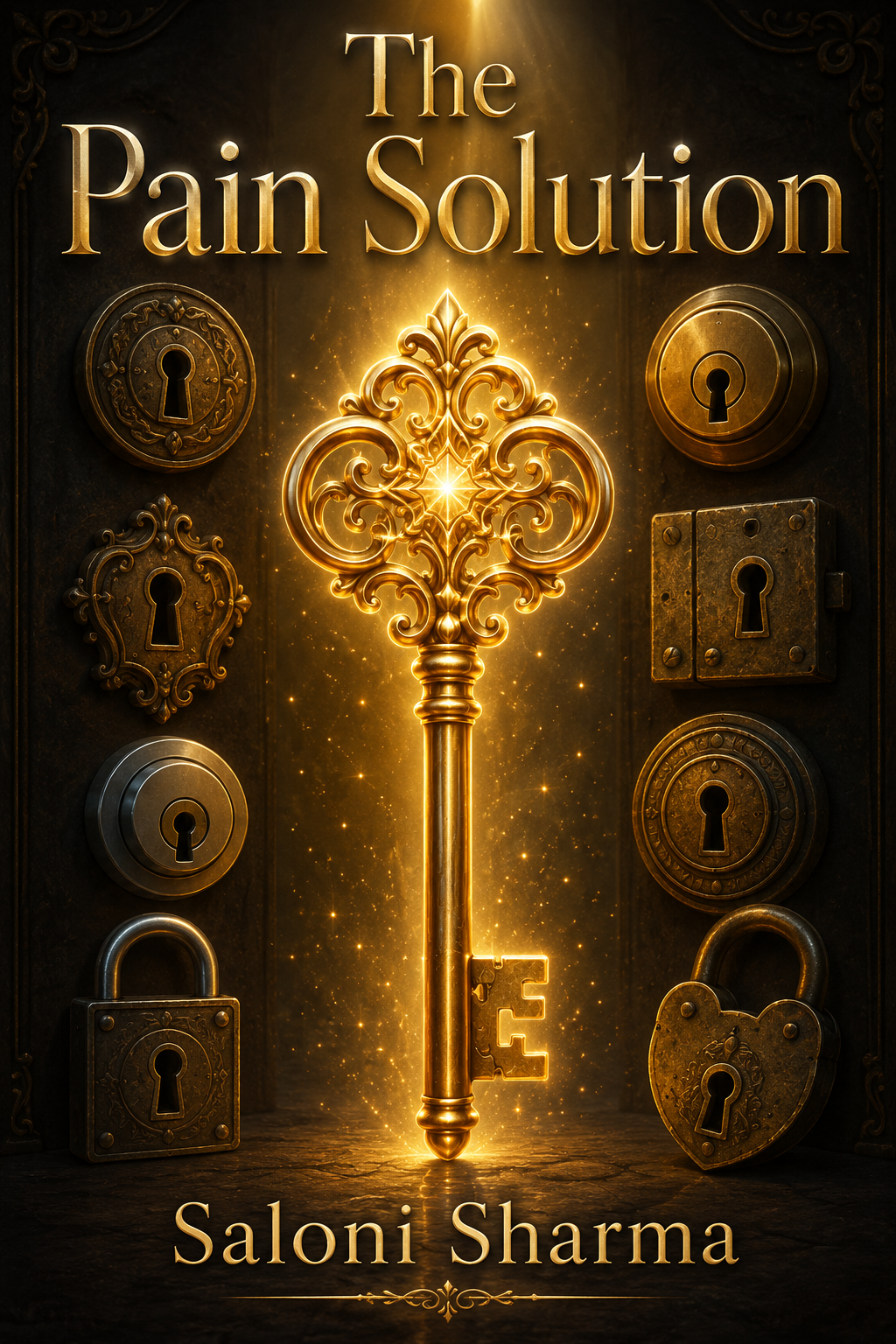
The Pain Solution
Chapter Summaries
What's Here for You
Are you tired of masking orthopaedic pain with temporary fixes? "The Pain Solution" offers a refreshing paradigm shift, guiding you to understand and conquer pain at its source. Saloni Sharma invites you on a journey of self-discovery, revealing the intricate connections between your physical, emotional, and social well-being. You'll gain practical tools to break free from the cycle of pain, inflammation, and limited mobility. Prepare to explore the Relief-5R Plan, a transformative approach that empowers you to refuel your body with anti-inflammatory foods, revitalize through mindful movement, recharge with restorative sleep, refresh your mind from negative thought patterns, and relate to others in supportive ways. This book is your roadmap to lasting relief, providing the knowledge and strategies to transform pain from an enemy into a messenger, guiding you towards a healthier, more vibrant life. Prepare to feel empowered, hopeful, and ready to take control of your pain, not just manage it.
The Pain Problem
In "The Pain Solution," Saloni Sharma introduces a paradigm shift in understanding and treating pain, urging us to look beneath the surface, much like a mechanic inspecting an engine rather than just listening to its sounds. Sharma advocates for treating the person, not just the disease, emphasizing that true relief stems from addressing the root cause of pain rather than merely masking symptoms. She illustrates this with the story of Cindy, whose life, once a landscape of fear and pain flares, was transformed through a holistic approach. The opioid crisis and the side effects of NSAIDs highlight the desperation for effective pain management, yet Sharma reveals that these medications often serve as a Band-Aid on a deeper wound. A core insight emerges: the modern world, with its processed foods and pharmaceutical promises, often misleads us, creating dependencies that exacerbate the problem. Sharma's Relief-5R plan offers a beacon of hope, a personalized approach to diet, movement, stress levels, mindset, and environment, empowering individuals to reclaim their lives from the clutches of chronic pain. She challenges the myth that one is alone in their suffering, revealing that pain is a common experience, and the Relief-5R plan offers a tangible path to reduce and prevent it. The US healthcare system, designed for emergencies, often falls short in addressing chronic pain, leading to a divide-and-conquer approach that neglects the interconnectedness of the individual. Sharma underscores that lifestyle changes, often dismissed in favor of quick fixes, are the cornerstone of lasting relief, and she urges readers to envision a life free from the limitations of pain, setting meaningful goals and taking small steps toward wellness. Sharma reframes the pursuit of wellness not as a disruptive overhaul, but as the integration of small, personalized changes that can lead to profound improvements in healthspan, the number of years lived in good health. She prompts readers to consider what their life would look like with more ease, and reminds them that even with genetic predispositions, our choices dictate whether we succumb to inflammation or thrive, urging them to fuel well in order to feel well and be well.
The Relief-5R Plan
In 'The Pain Solution,' Saloni Sharma introduces a transformative approach to managing orthopaedic pain, moving beyond conventional treatments that often mask symptoms rather than address root causes. Sharma highlights how modern life, brimming with stressors, exacerbates pain by tightening muscles and constricting blood vessels, painting a picture of bodies crumpled under the weight of tension. She emphasizes that each daily choice—from food to sleep—either fuels or diminishes painful inflammation, offering a beacon of hope through small, impactful changes. The chapter reveals that back pain and arthritis, affecting millions, are not solely products of physical stressors but are deeply intertwined with mental and emotional well-being. Sharma illustrates this connection with a vivid exercise: contrasting the tension induced by thoughts of a negative person with the relaxation brought on by memories of a loved one, underscoring the mind-body link. She explains how the body's stress response, designed for acute threats, becomes detrimental when chronically activated by everyday pressures, leading to a state of constant inflammation and pain. Sharma cautions against relying solely on medications like NSAIDs and opioids, which provide temporary relief but carry significant side effects and fail to tackle the underlying issues. Instead, she champions the Relief-5R plan—a commitment to living with less pain through specific, actionable steps. Sharma advocates for breaking down goals into microboosts integrated into daily routines, such as adding vegetables to meals or choosing nuts over chips. She stresses the importance of implementation intention, specifying the who, what, why, when, where, and how of achieving pain relief. Sharma advises readers to remove barriers to healthy choices and create visual cues to reinforce new behaviors, likening it to setting up a store where desired actions are attractively displayed. Ultimately, Sharma urges readers to embrace a lifestyle that prioritizes balance, reduces stress, and enhances overall function, offering a pathway to lasting pain relief and improved quality of life.
Refuel
Saloni Sharma illuminates the profound connection between food and orthopaedic pain, challenging the conventional medical focus on medications and surgery. The author reveals how the standard American diet, laden with processed foods designed to trigger bliss points in our brains, fuels inflammation and pain, trapping us in a cycle of craving and consumption. Sharma shares her personal journey with gestational diabetes, which opened her eyes to the power of nutrition, emphasizing that what we consume either builds us up or breaks us down. The narrative highlights the deceptive tactics of the food industry, from sonic chip studies to hidden sugars in savory foods, urging us to become label detectives and prioritize real, unprocessed foods. Sharma advocates for a return to simpler dietary guidelines, reminiscent of the 1940s food wheel, which emphasized plant-based foods rich in phytonutrients. She champions the role of fiber in balancing sugar intake and quelling hunger, along with the power of omega-3 fatty acids to combat inflammation and promote healing, depicting a vivid scene where the body shifts from a raging fire to a state of relief with each mindful food choice. Sharma introduces specialized pro-resolving mediators (SPMs) as the therapy of the future, guiding us towards a balanced gut microbiome through prebiotics and probiotics. Finally, she explores the benefits of intermittent fasting and circadian eating, painting a picture of a body free from the constant cycle of digestion, leading to reduced pain and inflammation. She champions a Mediterranean-style diet, rich in vegetables, fish, and lean meat, and provides practical microboosts, like loading the fridge with healthy options, to help us break free from the processed-food trap and reclaim our health.
Revitalize
In "The Pain Solution," Saloni Sharma addresses the pervasive myth that orthopaedic pain necessitates inactivity, revealing instead that movement is a crucial, often overlooked, component of pain relief and prevention. Sharma argues that while rest has its place in acute injury recovery, prolonged inactivity exacerbates chronic pain, hindering blood flow and weakening musculoskeletal structures, thus creating a vicious cycle. She advocates for integrating movement into daily life to combat inflammation, reduce stress, and extend healthspan. Sharma illuminates how exercise triggers the release of natural painkillers like endorphins, endocannabinoids, serotonin, and myokines, creating a symphony of relief within the body. It's not about grueling gym sessions, but rather, microboosts of activity woven throughout the day, such as standing during phone calls or taking short walks. Sharma underscores the importance of ergonomics, especially in our screen-centered lives, to maintain proper posture and prevent repetitive strain injuries, offering practical advice like setting up an ergonomic workspace and taking frequent stretch breaks. She champions outdoor activities, like forest bathing, for their stress-reducing and mood-boosting effects, highlighting that movement is not just a physical act but a holistic investment in well-being. Sharma encourages readers to set achievable activity goals, track their progress, and find enjoyable ways to incorporate movement into their lives, whether through social activities, music, or simple stretching routines, enabling a life with more ease.
Recharge
In "The Pain Solution," Saloni Sharma delves into the crucial link between sleep and pain management, challenging the pervasive myth that sleep quality is unrelated to orthopaedic pain; she reveals that poor sleep actually worsens pain, and optimizing sleep is a vital component of any effective pain solution. Sharma confronts the modern "rest less, work more" ethos, illustrating how skimping on sleep, likened to consuming processed food, leads to long-term health deficits, increased inflammation, and a reduced lifespan. She highlights research demonstrating that sleep deprivation impairs judgment more severely than alcohol and shrinks brain volume, emphasizing sleep's restorative power in balancing homeostasis and calming inflammation. The author then navigates the intertwined relationship between pain and sleep, where pain disrupts sleep, and conversely, poor sleep lowers pain tolerance, creating a vicious cycle; Sharma notes that even catching up on sleep, though not ideal, offers better pain relief than some medications, without the side effects. Furthermore, Sharma explores the hormonal dance during sleep, focusing on cortisol, melatonin, leptin, ghrelin, and growth hormone, revealing how insufficient sleep throws these hormones into disarray, increasing appetite and inflammation. She examines the complexities of strategic napping, advising against excessive or late-day naps that disrupt nighttime sleep, instead advocating for a consistent sleep schedule. Sharma champions the establishment of a bedtime relaxation routine, a "do-it-yourself CBT-I approach," emphasizing sleep hygiene, stimulus control, and circadian eating to enhance sleep quality, painting a sensory scene of a cool, dark, quiet "sleep cave" free from electronic distractions. She cautions against "revenge bedtime procrastination," urging readers to replace screen time with nourishing practices like gratitude and mindfulness, and she closes by detailing the importance of preparing for the morning the night before, setting the stage for a less stressful, less painful day, and tracking sleep patterns to refine relaxation routines, integrating natural methods like chamomile tea and magnesium to further promote restorative sleep, ultimately guiding the reader to customize their own Relief-5R plan for optimal recharge.
Refresh
Saloni Sharma, in her exploration of pain management, directs our attention beyond the purely physical, asserting that suffering is compounded by our thoughts and emotional burdens; it’s a shadow dance where perception often amplifies the discomfort. She introduces the Relief-5R approach, emphasizing that a true pain solution requires addressing psychological and social factors alongside the biological. Conventional healthcare, she observes, often sidelines mental and emotional stress, yet these can significantly escalate painful inflammation, a reality underscored by the fight-or-flight response triggered by modern life’s relentless stressors. Sharma paints a picture of individuals living on a hair trigger, their higher brain functions dimmed by chronic stress, leading to emotional reactions that diminish pain tolerance and hope. The interplay between stress and pain is a self-reinforcing cycle, starving painful areas of vital resources, and needy relationships only intensify this inflammatory cascade. However, Sharma offers a lifeline: by improving our stress response and altering our pain mindset, we can begin to heal. The Relief-5R pillars interconnect, with insufficient sleep fueling stress and poor food choices exacerbating inflammation, shortening our telomeres, those protective caps on our DNA. Sharma advocates for mind-body activities like mindfulness, meditation, and yoga, all scientifically validated to reduce pain, stress, and inflammation. She champions the adult time-out, a dedicated period for joyful, screen-free activities that activate the relaxation response, countering stress hormones with well-being. Mindfulness, Sharma elaborates, enables us to be present, to respond rather than react, creating a buffer against emotional possession. She contrasts this with the pitfalls of multitasking, a stressful mental juggling act that impairs performance and escalates inflammation; it’s like trying to conduct an orchestra while simultaneously solving a complex equation. Sharma then introduces tools like the PAIN method—pause, accept, inquire, now decide—to disrupt negative thinking patterns, and highlights the placebo effect, demonstrating how positive expectations can trigger our body’s natural painkillers. Conversely, she warns of the nocebo effect, where negative beliefs amplify pain. Ultimately, Sharma underscores the importance of resilience, the capacity to not just survive but grow from setbacks, and provides a pathway of self-care, social connections, and purpose to rewire our brains for better stress management. She reminds us that while pain is a part of life, suffering is a choice, and equips us with a tangible plan to ride the waves of life's challenges with grace and strength.
Relate
In "The Pain Solution," Saloni Sharma illuminates the profound connection between our social lives and our physical well-being, challenging the myth that relationships don't affect orthopaedic pain. She reveals that loneliness and stressful relationships can significantly worsen pain, positioning improved relationships as a cornerstone of pain resilience. Sharma paints a vivid picture: humans are hard-wired for belonging, our brains releasing feel-good chemicals when we experience connection. Isolation, she warns, can be as harmful as smoking fifteen cigarettes a day, chipping away at our health and pain tolerance. The chapter serves as a critical reminder: positive daily interactions, even casual ones, help us flourish, while toxic relationships feed a negative mindset, amplifying pain. Sharma underscores that we are the average of the people we spend the most time with, our environment shaping our beliefs and behaviors, including our resilience and pain tolerance; imagine negativity as a contagious cloud, slowly dimming our inner light. To counter this, Sharma advocates for building pain resilience through supportive interactions, mindfulness, and gratitude, tools to shift our focus from what we lack to what we have. The author introduces the 'Four Cs'—criticizing, complaining, condemning, and comparing—as hallmarks of negativity, and presents acceptance, positivity, avoiding judgment, and supporting others as antidotes, guiding us toward a path of healing and growth. Further, Sharma emphasizes the power of mentorship, urging us to seek out individuals who radiate positivity and inspire us to be better, and to ask ourselves, 'Is it kind?' in all our actions, fostering a healthy ecosystem of support. Ultimately, Sharma redefines well-being, not merely as the absence of disease but as a state of complete physical, mental, and social health, advocating for a mind-and-body approach to pain control. Service and prosocial acts, she argues, are not just about others; they are powerful tools for uplifting ourselves, easing suffering, and feeding repair and growth, like a gentle rain nourishing parched earth. By cultivating awe, gratitude, and pursuing meaningful life goals, Sharma concludes, we can empower ourselves to fight the negativity bias and painful inflammation, transforming our relationship with pain and suffering.
The Path
Saloni Sharma charts a course toward lasting pain relief, revealing that the future, though unpredictable, bends to the choices we make today, choices that address our pain with resilience. She illuminates pain and inflammation not as enemies, but as messengers—red flags signaling physical, emotional, or mental stressors demanding attention. Sharma cautions against reacting with fear and resistance, which only amplify suffering, painting a vivid picture of lives consumed by hopelessness and dependence on fleeting, artificial remedies. Instead, she champions the Relief-5R plan—Refuel, Revitalize, Recharge, Refresh, and Relate—as a holistic solution treating the whole person, mind and body, offering not just survival, but a path to thriving. The Relief-5R plan homes in on the bodily aspects of pain relief though the Refuel, Revitalize, and Recharge pillars, and the mind aspects through the Refresh and Relate pillars. Sharma underscores the importance of microboosts—small, customized actions linked to daily activities—emphasizing that habit and simplicity triumph where willpower falters. She introduces the RELIEF guide—Remove barriers, Eye level, Link to a specific activity, I declaration, Encourage progress by tracking, Feel better!—to integrate microboosts seamlessly into our routines. Sharma highlights the pivotal role of mindset, contrasting the SINK mentality—I can't, I don't deserve—with the RISE mentality—I can, I will—as the dividing line between stagnation and relief. To jump-start the process, Sharma proposes a structured fourteen-day plan, urging readers to select two microboosts from each pillar and track their pain, activity, and joy levels, pre- and post-intervention, and to embrace the Refresh tools during inevitable setbacks, offering themselves grace and a fresh start. With love and gratitude, Sharma concludes, inviting readers onto a simple, drug-free path to true pain relief and prevention, a path where commitment and dedication light the way.
Conclusion
The core of 'The Pain Solution' is empowerment. Sharma dismantles the notion of pain as an insurmountable obstacle, presenting it instead as a complex signal requiring a holistic, personalized response. The emotional lesson is one of agency; readers are not passive victims but active participants in their healing journey. Practical wisdom lies in the Relief-5R plan and the emphasis on microboosts – small, sustainable changes to diet, activity, sleep, and mindset. The book underscores that lasting relief comes not from masking symptoms with medication, but from addressing the root causes of inflammation and stress through mindful lifestyle adjustments and fostering supportive relationships. It's a journey of self-discovery, demanding consistency and self-compassion, but ultimately promising a richer, more vibrant life free from the shackles of chronic pain.
Key Takeaways
Address the root causes of pain, not just the symptoms, for lasting relief and improved quality of life.
Small, personalized lifestyle changes can significantly reduce pain and inflammation, offering an alternative to medication-dependent solutions.
Challenge the misconception that you are alone in your pain; recognize it as a common issue with manageable solutions.
Integrate small wellness changes into daily routines to break free from the cycle of chronic pain and suffering.
Focus on increasing healthspan—years lived in good health—through diet, exercise, and stress management.
Recognize that lifestyle changes are the first step to feeling better and potentially reducing the need for medication.
Small, consistent lifestyle adjustments targeting diet, activity, sleep, and stress management can significantly reduce chronic pain and inflammation.
Chronic stress, whether physical, mental, or emotional, perpetuates inflammation and pain signaling, necessitating a holistic approach to pain management.
Conventional pain medications often provide temporary relief but may exacerbate underlying issues and cause harmful side effects, highlighting the need for alternative solutions.
Setting specific, actionable goals and integrating microboosts into daily routines is crucial for achieving lasting pain relief and improved well-being.
Removing environmental barriers and triggers that promote unhealthy choices is essential for sustaining positive lifestyle changes and managing pain effectively.
Prioritize real, unprocessed foods to actively reduce inflammation and pain, shifting away from reliance on medications alone.
Become a conscious consumer by scrutinizing food labels and recognizing hidden sugars and additives that exacerbate inflammation.
Embrace fiber-rich foods to balance sugar intake, quell hunger, and support a healthy gut microbiome, fostering overall well-being.
Incorporate omega-3 fatty acids to combat inflammation, promote tissue healing, and restore balance within the body.
Explore intermittent fasting and circadian eating to reduce inflammation, improve blood sugar control, and enhance cellular function.
Adopt a Mediterranean-style diet, rich in vegetables, fish, and lean meat, to promote ease, relief, and long-term wellness.
Customize your dietary approach with microboosts, focusing on small, sustainable changes that build towards significant health improvements.
Incorporate micro-movements throughout the day to combat the negative effects of prolonged sitting and inactivity on pain and inflammation.
Prioritize activities that release the body's natural painkillers—endorphins, endocannabinoids, serotonin, and myokines—to reduce pain and improve overall well-being.
Optimize your environment by practicing good ergonomics to reduce strain and prevent musculoskeletal issues.
Embrace outdoor activities to reduce stress, boost mood, and enhance the pain-relieving effects of exercise.
Set realistic and achievable activity goals, tracking progress to stay motivated and consistent.
Prioritizing sleep is essential for pain management, as poor sleep exacerbates pain, increases inflammation, and diminishes overall health.
Disrupting the natural sleep-wake cycle negatively impacts hormone regulation, leading to increased appetite, inflammation, and decreased tissue repair.
Establishing a consistent bedtime relaxation routine, incorporating sleep hygiene and stimulus control, significantly improves sleep quality and reduces reliance on medication.
Strategic napping can be beneficial, but should be limited in duration and timing to avoid disrupting nighttime sleep patterns.
Practicing gratitude and mindfulness before bed promotes relaxation, reduces negative thinking, and enhances sleep quality.
Preparing for the morning the night before minimizes stress and decision fatigue, setting the stage for a more restful sleep and a less painful day.
Tracking sleep patterns and identifying triggers helps refine sleep habits and optimize relaxation routines for personalized pain relief.
Suffering in chronic pain is often intensified by negative thoughts and emotional burdens, not just physical sensations.
A comprehensive pain solution must integrate biological, psychological, and social factors, moving beyond conventional medical treatments.
Chronic stress reconfigures the brain, favoring emotional reactions over rational responses, thus lowering pain tolerance and resilience.
Mindfulness and meditation practices can decrease inflammation, boost immunity, and protect telomeres, serving as powerful tools for pain relief.
Activating the relaxation response through activities like adult time-outs can counteract the stress response and promote well-being.
Cultivating a positive pain mindset, supported by strategies like the PAIN tool, is crucial for breaking free from the cycle of suffering.
Building resilience through self-care, social connections, and a sense of purpose can rewire the brain to better handle and recover from stressful setbacks.
Cultivating strong social connections is crucial for managing pain and inflammation, as isolation can exacerbate physical and emotional suffering.
Toxic social interactions and negative mindsets amplify pain, while positive relationships and gratitude promote healing and resilience.
We are significantly influenced by the people we surround ourselves with; choosing positive, supportive relationships fosters well-being and pain tolerance.
Practicing mindfulness, gratitude, and service to others shifts focus from negativity to positivity, reducing pain and promoting healing.
Well-being is a holistic state encompassing physical, mental, and social health, requiring a mind-and-body approach to effectively control pain.
Prosocial acts and creative projects provide personal benefits by fostering a sense of purpose and connection, which ease suffering and promote growth.
Cultivating awe and gratitude shifts our focus outward, reducing stress and inflammation and improving overall well-being.
Pain and inflammation are signals, not enemies, indicating underlying stressors that require attention and thoughtful responses.
The Relief-5R plan offers a holistic approach to pain relief, addressing both the physical and mental aspects of pain through specific pillars.
Integrating microboosts—small, manageable actions—into daily routines can create sustainable habits for pain management.
A positive mindset, characterized by belief in improvement and self-worth, is crucial for overcoming pain and suffering.
A structured jump-start, like the fourteen-day plan, can initiate momentum toward pain relief and improved well-being.
Consistency and self-compassion are essential when facing setbacks on the path to pain management and relief.
Action Plan
Identify one activity you enjoy that pain has prevented you from doing, and envision yourself doing it with ease.
Start making small, personalized tweaks to your diet by incorporating more real, unprocessed foods.
Incorporate self-paced movement into your daily routine, even if it's just a short walk.
Practice stress-reducing techniques like meditation or deep breathing for just ten minutes a day.
Prioritize getting enough sleep to improve overall well-being and reduce inflammation.
Write down meaningful goals for yourself that you want to achieve without the limitations of pain.
Focus on building healthy relationships and spending time with people you care about.
Review your progress regularly to assess how small changes are bringing you closer to your goals.
Incorporate more plant-based foods into your diet to reduce inflammation.
Practice stress-reducing techniques such as deep breathing or meditation daily.
Identify and remove triggers that lead to unhealthy choices.
Set specific, actionable goals for pain relief and track your progress.
Integrate microboosts, such as a short walk or stretching, into your daily routine.
Create visual cues to remind yourself of your pain relief goals.
Prioritize sleep hygiene to improve sleep quality and reduce inflammation.
Evaluate your relationships and focus on building positive connections to reduce emotional stress.
Start reading product labels carefully to identify and avoid added sugars, salts, and artificial ingredients.
Incorporate more fiber-rich foods like vegetables, fruits, and legumes into your daily meals.
Add omega-3 rich foods like fatty fish, chia seeds, and walnuts to your diet to combat inflammation.
Experiment with plant-based protein sources like beans, lentils, and tofu to replace animal protein a few days a week.
Increase your water intake by drinking a glass each morning, before snacks, and before meals.
Consider trying an elimination diet to identify potential food intolerances or sensitivities.
Add anti-inflammatory spices like turmeric, ginger, and garlic to your cooking.
Explore intermittent fasting or circadian eating after consulting with your physician.
Plan your meals for the week ahead to avoid impulsive choices of processed foods.
Replace sugary drinks with plain water, sparkling water, or unsweetened tea.
Set a timer to remind yourself to get up and move every hour.
Incorporate short walks into your daily routine, such as during lunch breaks or while talking on the phone.
Create an ergonomic workspace to maintain proper posture and reduce strain.
Engage in outdoor activities like walking, hiking, or gardening to reduce stress and boost mood.
Develop a list of go-to stretches or exercises for quick activity breaks.
Track your daily activity using a smartphone, fitness device, or journal to stay motivated.
Meet with a physical therapist to develop a customized activity plan that addresses your specific pain points.
Incorporate resistance band exercises into your routine.
Schedule seven to nine hours in bed each night to prioritize sleep.
Establish a consistent bedtime routine, including a relaxing activity like reading or meditation.
Create a low-electronic and low-stress sleep environment in your bedroom.
Avoid caffeine, alcohol, and stimulants within three to six hours of bedtime.
Practice gratitude by writing down three things you are thankful for each day.
Track your sleep patterns to identify triggers and refine your relaxation routine.
Prepare for the morning the night before by planning your wardrobe and morning routine.
Adopt the 30/30 plan: no screens thirty minutes before bedtime and thirty minutes after waking.
Practice mindfulness during daily activities like walking, eating, or listening, paying attention to the sounds and sensations.
Schedule a daily adult time-out (ATO) for at least ten minutes, engaging in a joyful, screen-free activity.
Use the PAIN tool (pause, accept, inquire, now decide) to disrupt negative thinking patterns when experiencing pain or stress.
Incorporate breathing exercises, such as the 4-7-8 method, into your daily routine to reduce tension and anxiety.
Identify and reframe habitual negative thoughts with three positive thoughts to counteract the negativity bias.
Create a collection of refresh anchors (physical objects and sensory cues) to use when feeling stressed or overwhelmed.
Prioritize restorative sleep to lower cortisol levels and fuel stress resilience.
Engage in regular mind-body activities like meditation, yoga, or tai chi to decrease pain, stress, and inflammation.
Define realistic goals and break them down into small, daily steps to build resilience and a sense of purpose.
Cultivate gratitude and nurture positive relationships to strengthen social connections and reduce stress.
Identify and cultivate supportive relationships with positive and uplifting individuals.
Practice daily mindfulness and gratitude exercises to shift focus from negativity to positivity.
Engage in prosocial acts or creative projects to foster a sense of purpose and connection.
Evaluate your self-talk and replace critical thoughts with compassion and kindness.
Seek out a mentor who embodies positivity and inspires personal growth.
Incorporate awe walks into your routine to appreciate the world around you and reduce stress.
Define a meaningful life goal that serves others and brings you joy.
Ask yourself, 'Is it kind?' before acting or speaking to yourself or others.
Limit exposure to negative influences and toxic relationships.
Create a gratitude journal and list three things you are grateful for each night.
Identify your primary stressors (physical, emotional, or mental) that contribute to your pain.
Choose one microboost from each of the five Relief-5R pillars (Refuel, Revitalize, Recharge, Refresh, Relate) that you can realistically integrate into your daily routine.
Use the RELIEF guide (Remove barriers, Eye level, Link to a specific activity, I declaration, Encourage progress by tracking, Feel better!) to integrate your chosen microboosts effectively.
Practice daily self-compassion and use Refresh tools during setbacks, reminding yourself that progress is not always linear.
Track your pain levels, daily activity, and joy levels before, during, and after implementing new microboosts to assess their effectiveness.
Cultivate a RISE mindset by actively challenging negative thoughts and affirming your ability to feel better and deserve relief.
Commit to a fourteen-day jump-start, adding one microboost from each pillar in the first week and a second in the following week.
Customize microboosts to align with your individual needs and preferences, ensuring they are simple and well-integrated into your daily life.