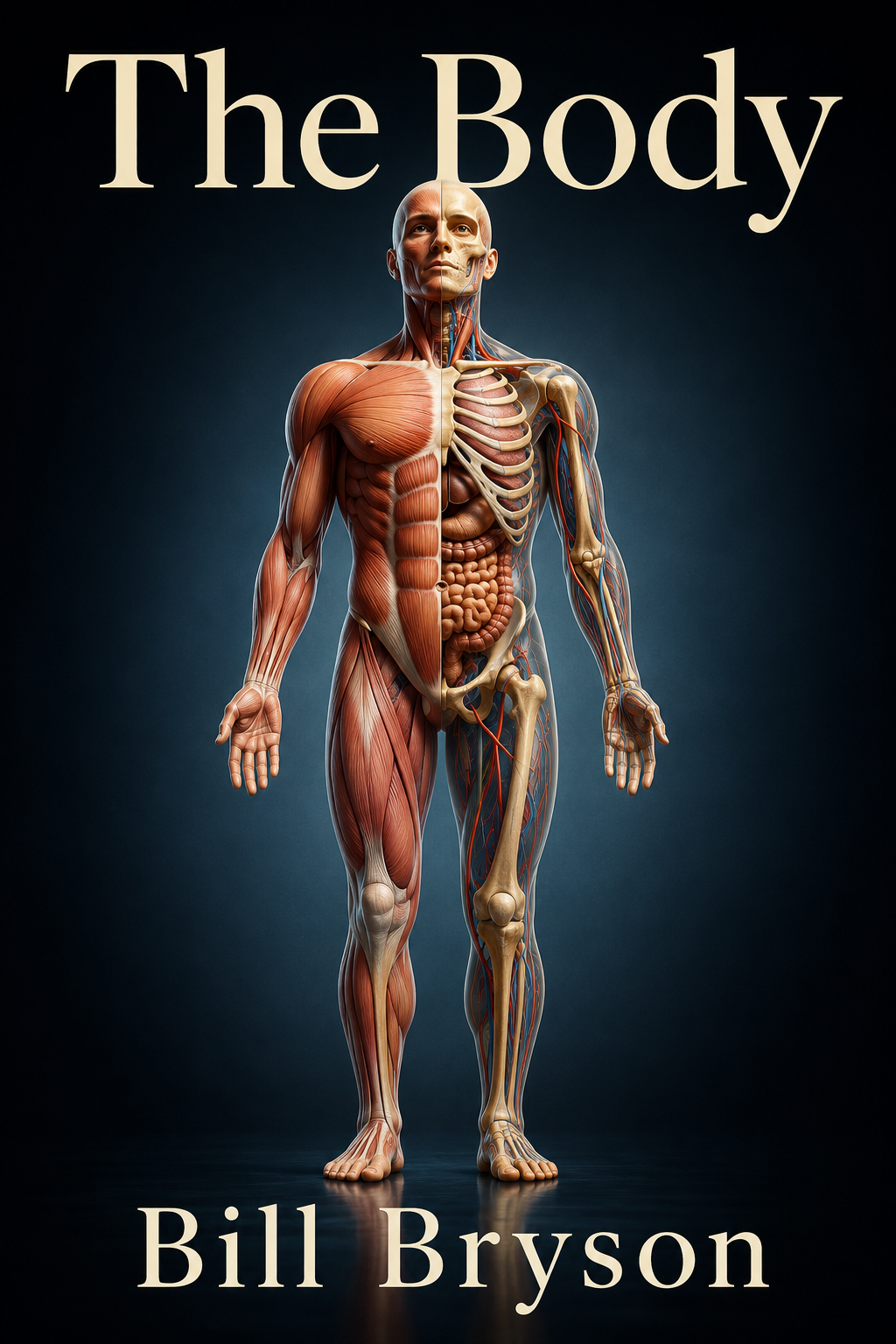
The Body
Chapter Summaries
What's Here for You
Prepare for an utterly captivating and often hilarious journey through the landscape of… you! In "The Body," Bill Bryson, with his signature wit and accessible style, promises to unlock the secrets of your own astonishing inner workings. Forget dry textbooks; this is a user's manual to the human form, brimming with bizarre facts, surprising revelations, and a healthy dose of 'wow, I had no idea!' You'll gain a newfound appreciation for the everyday miracles occurring within you, from the microscopic battles waged by your immune system to the intricate choreography of digestion. Expect to be amazed, grossed out, and thoroughly entertained as Bryson transforms complex science into an engaging narrative, leaving you with a profound sense of wonder and a deeper understanding of what it truly means to be alive.
HOW TO BUILD A HUMAN
Bill Bryson, in "The Body," embarks on a fascinating exploration of what constitutes a human being, starting with the surprising revelation from his junior high biology class: that the raw materials of a human body are remarkably cheap. He recounts the Royal Society of Chemistry's calculation that assembling a human-sized Benedict Cumberbatch would cost around $151,578.46, a far cry from his teacher's estimate, yet still a bargain considering the complexity involved. The initial tension arises: are we merely the sum of our elemental parts, or is there something more? Bryson highlights that while oxygen makes up 61% of our bodies, and elements like carbon, nitrogen, and hydrogen are crucial, even trace amounts of molybdenum and vanadium play a role. He notes the presence of both essential and toxic elements, such as cadmium, which our bodies unwittingly absorb. A vivid image emerges: selenium atoms, once mysterious, now known to be vital for enzyme production, illustrate the delicate balance our bodies maintain. Bryson emphasizes that even with perfect assembly, one cannot create a living being, underscoring the miracle of life. He marvels at the quadrillions of tasks our bodies perform without conscious thought, like the constant creation of red blood cells. The narrative then zooms into the microscopic, revealing the vastness contained within: lungs that could cover a tennis court, blood vessels that could circle the Earth twice, and DNA that could stretch beyond Pluto. He considers the cell, the basic unit of life, filled with non-living components that somehow create life when combined. The central insight: life is not just about the components, but the inexplicable organization and coordination. A metaphor arises: cellular components jostling like bumper cars, yet producing smooth action. Bryson explains DNA's role as an instruction manual, highlighting its stability and the rare mutations that drive evolution. He points out the paradox of genetics: humans share 99.9% of their DNA, yet are vastly different. The tension between genetic similarity and individual uniqueness is palpable. He touches on the mystery of "dark DNA," the non-coding regions of our genome, and contrasts the body with a machine, emphasizing its ability to heal, adapt, and appreciate beauty. The resolution: our bodies, despite their imperfections, are miraculous, self-maintaining systems. Bryson concludes with a call to appreciate our bodies, which tirelessly work to keep us alive, even when we subject them to abuse. He underscores that cancer is rare, considering the countless cell replications that occur, and marvels at the body's ability to fight off diseases. Despite imperfections, such as our susceptibility to backache and inability to produce vitamin C, we are evolutionary marvels, products of billions of years of tweaks and adaptations, urging us to recognize and celebrate the glory of our existence.
THE OUTSIDE: SKIN AND HAIR
Bill Bryson invites us to marvel at the often-overlooked cutaneous system, our skin, that remarkable, versatile organ, acting as both fortress and exquisitely sensitive interface with the world. He begins by highlighting its sheer scale and ceaseless activity—shedding skin at an astonishing rate, a silent, constant return to dust. The skin, he notes, is a frontier where life meets the elements, a boundary layer of dead cells that paradoxically defines our visible beauty. Bryson then navigates the layers beneath, from the active dermis, teeming with receptors and glands, to the subcutaneous fat, emphasizing the crucial role of melanin, the pigment responding to sunlight that dictates our skin color. Nina Jablonski's work is pivotal here, revealing that skin color is merely a superficial adaptation to sunlight, a reaction, not a determinant of character or a basis for the social construct of race. The narrative tension rises as Bryson explores the implications of this biological reality, contrasting it with the historical and ongoing injustices fueled by skin color. He transitions to the topic of hair, questioning its evolutionary purpose, especially the puzzle of human hairlessness. Like a detective piecing together clues, Bryson examines theories around warmth, sexual signaling, and the curious phenomenon of goosebumps, vestiges of a furrier past. Alphonse Bertillon's story injects a historical note, a reminder of how we seek to identify and categorize, even as the body holds its secrets, such as the mystery of fingerprints. Bryson touches on the critical role of sweat, an unglamorous but essential function that facilitated the enlargement of the human brain, turning us into efficient, cooling machines. The narrative then explores the microscopic world teeming on our skin, a universe of microbes unique to each individual, resistant to our attempts at sterilization. Finally, the chapter confronts the enigmas of itching and hair loss, those persistent reminders of our bodies' imperfections and the limits of our understanding, resolving with the acceptance that our physical selves are a blend of known functions and unsolved mysteries, a humbling reminder of the body's complex story.
MICROBIAL YOU
In "MICROBIAL YOU," Bill Bryson, with his signature blend of humor and scientific insight, unveils the hidden universe teeming within us. He begins by dispelling the notion that we are solely human, revealing that our bodies are, in fact, vibrant ecosystems hosting trillions of microbes. These aren't just passive inhabitants; they're active collaborators, digesting food, synthesizing vitamins, and even swapping genes like trading cards, accelerating their adaptation in ways we can scarcely comprehend. The sheer scale of this microbial world is staggering: microbes outweigh all animal life on Earth by a factor of twenty-five. Bryson highlights that we are utterly dependent on them, a humbling reminder of our place in the grand scheme of things. Yet, our understanding of these microscopic partners remains limited, as most refuse to grow in labs, leaving them shrouded in mystery. Bryson then shifts focus to viruses, those enigmatic entities straddling the line between living and non-living. Once viewed solely as agents of disease, viruses are now recognized as ubiquitous, with billions populating every quart of seawater and hundreds of species lurking in healthy human lungs. He touches upon their capacity for dormancy, citing the Pithovirus sibericum, resurrected after thirty thousand years in permafrost, a chilling testament to their resilience. Moving on to fungi and protists, Bryson paints a picture of a microbial landscape far more complex than we ever imagined. Fungi, more closely related to animals than plants, can cause a range of ailments, from the mildly irritating athlete's foot to life-threatening systemic infections. Protists, a catch-all category for organisms that defy easy classification, include the malaria-causing Plasmodium, a stark reminder of the deadly potential lurking within this microbial jungle. He then recounts the story of Timothy Rowbotham's discovery of the mimivirus, a giant virus that challenged our very definition of life, underscoring how much remains unknown. Bryson builds tension by turning to the looming crisis of antibiotic resistance. He recounts the story of Michael Kinch’s son, whose life-threatening infection was resistant to multiple antibiotics, illustrating the fragility of our defenses in the face of evolving microbes. The overuse of antibiotics in humans and agriculture has accelerated this resistance, leading to the rise of superbugs like MRSA and CRE, against which our arsenal of drugs is dwindling. With the pharmaceutical industry abandoning antibiotic research due to economic disincentives, Bryson paints a bleak picture of a future where common infections could once again become deadly. He concludes by exploring potential solutions, such as quorum-sensing drugs and bacteriophages, offering a glimmer of hope in the face of this growing threat, emphasizing that the time to act is now, lest we return to an era where a scratch from a rose thorn could prove fatal.
THE BRAIN
Bill Bryson, in his exploration of the brain, invites us into the universe's most extraordinary structure, a mere three pounds of tofu-like mass responsible for everything we perceive and are. He marvels at how this silent, dark organ, receiving only electrical pulses, conjures our vibrant reality. The author reveals that our brains, though consuming 20% of our energy, operate with surprising efficiency, needing only as much energy as a blueberry muffin to power our consciousness each day. Bryson illuminates that brainpower isn't about size or energy consumption but efficiency, as the most productive brains solve tasks swiftly and then rest. He underscores that while the brain is divided into cerebrum, cerebellum, and brain stem, each with specialized functions, the organ's true marvel lies in its capacity to create our sensory experiences, turning colorless photons and silent sound waves into the rich tapestry of life. Bryson then navigates the complexities of memory, explaining its fragmented nature, akin to a Wikipedia page, constantly rewritten and reorganized, and its division into declarative and procedural forms. He notes that memory isn't a perfect record but a mutable reconstruction, influenced by suggestion and time. The story shifts to the brain’s unreliability, as Bryson recounts Elizabeth Loftus's experiments demonstrating the ease of implanting false memories. Bryson unveils that our perception of reality is a forecast, a continuous estimation of what will happen a fraction of a second in the future, meaning we never truly live in the present. He exposes the brain's talent for finding patterns, even where none exist, and its vulnerability to internal storms like strokes and seizures. The author concludes with the paradox of the shrinking human brain over millennia, suggesting that while efficiency may have increased, we also face the sobering possibility that something has been lost. Like a skilled cartographer charting uncharted territories, Bryson highlights the knowns and unknowns of this mysterious landscape, urging us to marvel at the brain's capabilities while acknowledging its frailties and the vastness of what remains to be discovered.
THE HEAD
Bill Bryson embarks on a fascinating exploration of the human head, beginning with the rather grim question of how long consciousness persists after decapitation, a topic of intense interest during the French Revolution. He then pivots to the misguided sciences of phrenology and craniometry, where figures like Barnard Davis sought to prove racial and social hierarchies through skull measurements, a stark reminder of science's capacity for prejudice. Bryson introduces Cesare Lombroso, whose criminal anthropology attempted to link physical features to criminal tendencies, and Pierre Paul Broca, the brilliant anatomist who discovered the brain's speech center, yet still clung to biases about race and gender. The narrative finds a turning point with Charles Darwin, whose work on emotional expression highlighted the shared humanity across all races, a revolutionary idea at the time. Darwin understood what babies know instinctively: the face is a captivating landscape of expression. Bryson illuminates the complexity of facial expressions, revealing that true smiles engage muscles we cannot consciously control, and that fleeting microexpressions betray our genuine feelings. Shifting to the senses, Bryson marvels at the eye, a marvel of reverse engineering, and the miracle of hearing, where tiny bones amplify sound with atomic precision. He notes that our ears, built for a quieter world, now suffer under the assault of modern noise, leading to irreversible damage. Finally, Bryson considers smell, a sense often undervalued, yet profoundly linked to memory and personal experience, noting that each of us perceives the world through a unique olfactory lens. The chapter underscores that while we often take our senses for granted, they are intricate systems that shape our perception and connect us to the world.
DOWN THE HATCH: THE MOUTH AND THROAT
Bill Bryson embarks on an exploration of the often-underappreciated complexities of the human mouth and throat, beginning with the cautionary tale of Isambard Kingdom Brunel's accidental coin ingestion, highlighting the inherent perils of this bodily gateway; Bryson notes how easily humans choke compared to other mammals, setting the stage for a deeper dive into the anatomy and physiology of deglutition, or swallowing. He elucidates the intricate coordination of fifty muscles required to move food safely from lips to stomach, emphasizing the delicate balance maintained by the epiglottis, that trapdoor of the throat, which prevents culinary misadventures. Bryson then pivots to the social theater of eating, marveling at the brain's multitasking prowess—assessing taste, texture, and safety—while we're engrossed in conversation, perhaps destabilizing our internal systems with a glass of wine. He introduces Henry Heimlich and Chevalier Jackson, figures who loomed large in the history of choking interventions and foreign object extraction, respectively, painting a vivid picture of Jackson's macabre collection of swallowed oddities. Bryson then shifts focus to saliva, that unassuming fluid, revealing its enzymatic power and surprising painkilling properties, noting how it is both our protector and, paradoxically, the nurturer of oral bacteria. The narrative progresses to the teeth and tongue, those familiar fixtures, dissecting their structure and sensory capabilities, and Bryson debunks the myth of the tongue map, revealing the distributed nature of taste perception. He then recounts Captain James Cook's brush with pufferfish poisoning, illustrating the fallibility of our taste defenses against toxins. Bryson then concludes with a reflection on the remarkable feat of speech, emphasizing the intricate interplay of muscles and structures that allow us to create meaningful sounds, a capacity unique among living creatures. The mouth, it turns out, is not just an opening, but a carefully orchestrated symphony of biological processes and evolutionary adaptations, a testament to the body's resilience and vulnerability.
THE HEART AND BLOOD
In this chapter of "The Body," Bill Bryson masterfully unveils the often-misunderstood world of the heart and blood, challenging our sentimental notions and diving deep into their remarkable mechanics. Bryson begins by dispelling the romantic myths surrounding the heart, emphasizing its singular focus: to beat, relentlessly and powerfully, pumping life-sustaining blood throughout the body. He marvels at its tireless work ethic, calculating the immense effort expended over a lifetime, enough to lift a one-ton object 150 miles into the air. Yet, this incredible organ, weighing less than a pound, remains indifferent to our emotional dramas, a testament to its unwavering commitment to its vital function. Bryson then navigates the complexities of blood pressure, explaining the significance of systolic and diastolic measurements and the body's constant battle against gravity to maintain circulation. He recounts the gruesome experiments of Reverend Stephen Hales, whose pursuit of physiological knowledge advanced science while simultaneously giving it a bad name, highlighting the ethical dilemmas inherent in medical progress. The narrative tension rises as Bryson explores the various ways the heart can falter, from arrhythmias to heart attacks and cardiac arrests, underscoring the subtle yet critical distinctions between these conditions. He notes the disheartening reality that heart disease remains a leading cause of death, despite advancements in modern medicine, and that virtuous living offers no guarantees against its insidious onset. Shifting focus, Bryson illuminates the groundbreaking Framingham Heart Study, which identified key risk factors for heart disease, marking a turning point in our understanding and treatment of cardiovascular ailments. He then chronicles the daring innovations of medical pioneers like Werner Forssmann, who risked his own life to pioneer cardiac catheterization, and John H. Gibbon, whose relentless pursuit led to the creation of the first heart-lung machine, marveling at their stoicism and experimental discomfort for the sake of medical advancement. Bryson doesn’t shy away from the shadow side, however, detailing Forssmann’s troubling Nazi affiliations and the ethical lapses of others, casting a critical eye on the human cost of progress. The story culminates with the advent of heart transplants, pioneered by Christiaan Barnard, and the development of immunosuppressant drugs like cyclosporine, transforming what seemed like an impossible dream into a clinical reality. Bryson reveals artificial blood research, a quest stymied by the extreme precision required to mimic nature's perfect oxygen delivery system, where even an infinitesimal error can prove toxic. The chapter resolves with a reflection on the astonishing efficiency of our bodies, performing tasks that continue to elude our most sophisticated scientific endeavors, a humbling reminder of the intricate and miraculous processes that sustain us.
THE CHEMISTRY DEPARTMENT
In "The Chemistry Department," Bill Bryson masterfully unfolds the story of insulin's discovery, revealing the fraught process behind a medical miracle. He begins with the grim reality of pre-insulin diabetes, a death sentence of starvation, painting a stark contrast to the life-saving impact of Banting, Best, and Collip's work. However, this triumph is shadowed by interpersonal conflict, a reminder that scientific progress is rarely a smooth, harmonious endeavor. Bryson then broadens the scope to explore diabetes types and soaring global rates, highlighting the imperfect nature of insulin treatment and the body's complex, hormone-driven communication system, where hormones act as bicycle couriers delivering vital messages. He introduces John Wass, an endocrinology enthusiast, emphasizing how recently hormones were understood and the ongoing discoveries in the field. The narrative then pivots to the pituitary gland and its disproportionate influence, illustrated by the tragic case of Robert Wadlow, whose immense size stemmed from a tiny gland's overexertion. Bryson recounts the story of Charles-douard Brown-Squard and his misguided testosterone experiments, a blend of scientific ambition and human fallibility, before tracing the history of endocrinology through figures like Thomas Addison, whose Addisons disease underscores the critical role of cortisol. The discovery of leptin by Jeffrey Friedman marks a turning point, revealing fat cells as hormone producers and challenging the understanding of appetite regulation, a quest still ongoing. Bryson emphasizes the complexity of hormones like oxytocin, showcasing their diverse functions and unpredictable effects, and acknowledges the groundbreaking work of Adolf Butenandt in isolating and synthesizing hormones, despite facing political obstacles. He dispels myths about testosterone and estrogen, highlighting their roles in both sexes, and touches on testosterone's impact on male longevity. Finally, Bryson shifts focus to the liver, pancreas, and spleen, detailing their vital functions and vulnerabilities, especially nonalcoholic fatty liver disease (NAFLD). He recounts the history of gallbladder surgery, including William Stewart Halsted's daring operation on his mother, and explores the kidneys' essential role in waste filtration and blood regulation. The chapter culminates with a vivid description of Samuel Pepys's bladder stone surgery, a brutal procedure highlighting the medical challenges of the past, where surgeons navigated the body with skill but without the safety net of modern antisepsis, leaving a lasting impression of human resilience and medical progress.
IN THE DISSECTING ROOM: THE SKELETON
In this chapter of "The Body," Bill Bryson takes us inside a dissecting room, guided by Dr. Ben Ollivere, to reveal the often-unappreciated marvel of the human frame. The initial tension arises from the stark contrast between the idealized models of the body and the reality of a cadaver—dull flesh, sinew, and organs, a humbling reminder of our mortality. Bryson observes how easily we take for granted the intricate engineering that allows us to move, think, and live. Dr. Ollivere emphasizes the wrist's beauty and complexity, a nexus of muscles, nerves, and vessels enabling countless daily tasks. Bryson learns how cartilage, smoother than ice yet resilient, underscores the body's unparalleled technology. The narrative then shifts to the historical struggle to acquire bodies for anatomical study, from grave robbing to the Anatomy Act, highlighting the ethical complexities of medical progress. The story of Henry Gray and Henry Vandyke Carter, creators of "Gray's Anatomy," reveals the often-unacknowledged contributions behind scientific milestones. Bryson illuminates how the skeleton must balance rigidity and pliability, enabling both firm standing and fluid movement. He shares the surprising discovery of osteocalcin, a hormone produced in bones, linking exercise to improved mood and memory. The chapter underscores that bones are living tissue, responding to use like muscles, and are uniquely capable of healing without scars. The narrative addresses the feet's crucial role as shock absorbers, platforms, and pushing organs, highlighting the evolutionary compromises that lead to back pain and joint problems. Bryson resolves by noting that while the human body is imperfect, prone to wear and tear, it remains a remarkable feat of engineering, a testament to millions of years of adaptation, urging a sense of gratitude for its intricate design despite its flaws; the body is not a pristine machine, but a resilient, adaptable, and profoundly complex system, deserving of both awe and mindful care.
ON THE MOVE: BIPEDALISM AND EXERCISE
Bill Bryson embarks on a captivating exploration of human bipedalism and exercise, revealing how our upright posture, a trait unique among primates, has shaped our anatomy and our vulnerabilities. He notes that while various theories attempt to explain why our ancestors adopted walking on two legs, the transition wasn't without its costs, making them vulnerable in open environments. Lucy, the early hominin, exemplifies this precarious existence, possibly meeting her end after falling from a tree. Bryson illuminates the complex mechanics of walking, a constant defiance of gravity involving intricate balance adjustments and anatomical adaptations like angled thigh bones, a large gluteus maximus, and the nuchal ligament, all distinguishing us from apes. The narrative strides into the evolutionary advantages of running, highlighting our ability to outlast prey in long-distance pursuits, a skill enhanced by our capacity for articulate speech, crucial for cooperative hunting. However, bipedalism's legacy includes back pain, knee problems, and childbirth complications, a heavy burden especially for women. Bryson pivots to the modern understanding of exercise, crediting Jeremy Morris's pioneering study on London bus drivers and conductors for establishing the link between physical activity and health. The chapter underscores the extraordinary benefits of regular exercise, from reducing the risk of heart attack and stroke to boosting the immune system and improving mood. Yet, Bryson cautions against the myth of a universal magic number of steps, emphasizing that any ambulation is beneficial, and laments the sedentary lifestyles prevalent today, particularly in America, where obesity rates are alarmingly high. He unveils the paradox of our paleolithic bodies grappling with modern excess, a battle many are losing, and introduces the concept of non-exercise activity thermogenesis (NEAT), highlighting the caloric expenditure from normal daily living. Even standing burns extra calories, and small changes, like walking during commercial breaks, can make a difference. Bryson concludes with a reflection on the obesity paradox and the uncertainty surrounding the precise extent of exercise's benefits, urging us to embrace movement for both health and pleasure while we still can, a poignant reminder of our limited time to make the most of our bodies' capabilities. He paints a picture of our bodies as finely tuned instruments, designed for hunter-gatherer lifestyles, now struggling to adapt to a world of readily available calories and sedentary habits – a constant tug-of-war between our evolutionary past and our modern present, where every step counts, and every moment of movement is a victory against inertia.
EQUILIBRIUM
In "EQUILIBRIUM," Bill Bryson unveils the delicate balancing act that sustains human life, narrated with the precision of a seasoned instructor. He begins with the surface law, illustrating how size dictates the pace of life, from a mouse's frantic heart to an elephant's slow rhythm, and reveals the surprising truth that most animals, humans included until recently, get roughly 800 million heartbeats in a lifetime. Bryson then pivots to the marvel of human temperature regulation, highlighting the hypothalamus as the body's internal thermostat, maintaining a near-constant core temperature even in extreme conditions—a testament to our bodies' resilience. He recounts Charles Blagden's daring experiments inside a scorching chamber, proving the vital role of perspiration, and touches upon the mystery of fevers, questioning whether they are a defense or a byproduct. Bryson introduces Walter Bradford Cannon, the father of homeostasis, whose groundbreaking experiments, often involving students enduring rubber tubes down their throats, revealed the autonomic nervous system's wonders. The narrative then zooms into the cellular level, where Peter Mitchell's initially dismissed theories about adenosine triphosphate (ATP) unveil the body as an ATP-producing machine, consuming its weight daily in this energy currency. Bryson scales up to J. B. S. Haldane's observations on size and gravity, illustrating why a fall that’s trivial to a bug could be fatal to a human, and recounts the incredible survival stories of Nicholas Alkemade and others who defied death through improbable falls, underscoring human resilience. However, the chapter casts a dark shadow, exposing the horrific experiments conducted by Nazi Germany and Unit 731 in Japan, starkly revealing the depths of human cruelty in the name of scientific advancement. Ultimately, Bryson emphasizes that while our bodies exhibit incredible resilience, our existence depends on maintaining a delicate equilibrium, a dance between internal processes and external forces, a balance easily disrupted, and a somber reminder of both our capabilities and limitations, as well as the ethical boundaries we must never cross in the pursuit of knowledge, leaving us to appreciate the miracle of everyday existence and the importance of respecting its fragility.
THE IMMUNE SYSTEM
In Bill Bryson's exploration of "The Body," he turns his attention to the often-overlooked yet astonishingly complex immune system, an organ that is, as Michael Kinch notes, "big and kind of messy and all over the place." The immune system isn't just about fighting germs; it's a sprawling network that includes everything from earwax to our state of mind. The central tension, Bryson reveals, lies in the immune system's monumental task: distinguishing friend from foe in a world of infinite threats. Daniel Davis, an immunologist from the University of Manchester, emphasizes that each person's immune system is unique, making it both a marvel and a medical challenge. The immune system's arsenal includes a vast array of cells and chemicals—antibodies, lymphocytes, cytokines—each playing a crucial role in identifying and neutralizing threats. However, this very complexity can lead to autoimmune diseases, where the body mistakenly attacks itself, a tragic irony highlighted by Davis. Bryson then introduces Peter Medawar, whose groundbreaking work on skin grafts unveiled the immune system's learning process, realizing that the body learns early in life not to attack its own healthy cells. This discovery paved the way for organ transplantation, a field revolutionized by the work of Dr. Joseph Murray and the advent of drugs like cyclosporine, though the demand for organs continues to far outstrip supply, a stark reminder of our biological limitations. Bryson then pivots to allergies, a modern plague of inappropriate immune responses, and autoimmune diseases like Crohn's, whose rise remains a mystery. The chapter closes with a glimpse into the future of immunotherapy, where scientists are exploring ways to harness the immune system's power to fight cancer, offering hope amidst the complexity and challenges that define this intricate system, a microscopic war raging within us, where victory means life itself.
DEEP BREATH: THE LUNGS AND BREATHING
Bill Bryson opens our eyes to the everyday miracle of breathing, an autonomic process we rarely contemplate, yet one that sustains us with roughly 20,000 breaths a day. He marvels at the sheer volume of air processed and the staggering number of molecules exchanged, suggesting a kind of eternal interconnectedness at the atomic level, a profound thought that humbles our individual existence. The journey begins in the mysterious sinus cavity, a spacious area in our heads whose purpose remains largely unknown, a cavernous puzzle that science has yet to fully solve, yet whose malfunctions bring discomfort to millions. Bryson then highlights the lungs' remarkable self-cleaning ability, as they filter out billions of foreign particles daily, a silent battle waged within us, shielding us from a hostile world. However, sometimes these defenses fail, and we succumb to illness, a reminder of our vulnerability. The narrative then shifts to the mechanics of breathing, emphasizing the crucial role of the diaphragm, a mammalian innovation that enhances respiratory efficiency and propelled our evolution. He notes that while breathing is largely autonomic, we can consciously control it, though only to a point, revealing the intricate interplay between voluntary and involuntary functions. The author then touches upon the mystery of asthma, a common yet poorly understood condition, marked by its unpredictable nature and varying prevalence across different populations, confounding established theories. Bryson recounts the story of Marcel Proust, a poster figure for the disease, whose desperate search for a cure proved futile. The frustration of researchers like Neil Pearce, who admits that many supposed causes of asthma are unfounded, underscores the complexity of the disease. Finally, Bryson addresses the undeniable link between smoking and lung cancer, a connection long resisted despite overwhelming evidence, illustrating our capacity for denial in the face of pleasurable habits. The story of Evarts Ambrose Graham, who initially doubted the link but later became a staunch advocate against smoking, serves as a cautionary tale. Bryson closes with the enigmatic hiccup, a sudden spasm of the diaphragm, whose cause remains unknown, and recounts the bizarre case of Charles Osborne, who hiccuped for sixty-eight years, a final reminder of the body's many mysteries.
FOOD, GLORIOUS FOOD
In "The Body," Bill Bryson embarks on a journey through the complex world of nutrition, starting with the deceptively simple calorie. He introduces Wilbur Olin Atwater, a pioneer in food science, whose zeal for caloric measurement led him to some rather unorthodox experiments, even poisoning himself to understand food's effects. Atwater's work, though groundbreaking, lacked the understanding of vitamins and minerals, highlighting how early nutritional science focused solely on food as fuel, even suggesting a diet of two pounds of meat a day. Bryson illuminates how cooking, a pivotal evolutionary advancement, allowed humans to extract more energy from food, fueling the growth of our brains and societies; imagine early humans huddled around a fire, the aroma of roasted tubers filling the air, a scene that marked a turning point in our development. He then navigates the history of vitamins, from Casimir Funk's initial speculation to the eventual recognition of their vital role, emphasizing that vitamins, despite their necessity, are a surprisingly recent concept, and how much we still don't know about micronutrients like choline and bromine. The narrative tension builds as Bryson explores the delicate balance of micronutrients, cautioning that too much can be as harmful as too little, and questions the efficacy of widespread supplement use, especially in light of studies showing deficiencies in essential nutrients like potassium. Bryson dissects the macronutrients—proteins, carbohydrates, and fats—revealing their roles and potential pitfalls; carbohydrates, for instance, are essentially sugars in disguise, while fats, though vital, are readily stored by the body, a biological imperative that now contributes to modern health challenges. The author then highlights Ancel Keys's influential Seven Countries Study, which linked dietary fat to heart disease, noting the subsequent controversies and the evolving understanding of fats, including the dangers of trans fats, once hailed as healthy. Bryson concludes by addressing the modern dietary landscape, where overconsumption and nutritional deficiencies coexist, and the confusion surrounding dietary advice, particularly regarding salt intake. He introduces Christopher Gardner, who advocates for a simple approach: eat less added sugar and refined grains, more vegetables, and shop the supermarket's outer aisles—a practical strategy for navigating the complex world of food choices. Ultimately, Bryson underscores the importance of a balanced and moderate diet, cautioning against extremes and emphasizing that a sensible approach to food is, indeed, the most sensible approach, reminding us that our bodies are both resilient and vulnerable, shaped by millennia of evolution and the choices we make every day.
THE GUTS
In "The Guts," Bill Bryson embarks on a fascinating journey through the human digestive system, revealing its surprising length and complexity; he notes that our alimentary canal, stretching some forty feet, boasts a surface area of half an acre, a testament to the intricate processes occurring within. Bryson highlights the gender differences in bowel transit time, noting that food lingers longer in women, though the consequences remain a mystery. The stomach, often mistaken for the belly, is higher up and plays a supporting role in digestion, primarily killing off microbes with hydrochloric acid, but the real digestive heavy lifting happens in the small intestine. Bryson then pivots to the alarming reality of foodborne illnesses, citing outbreaks and contaminated foods as America's 'secret epidemic,' painting a stark picture of risk. He recounts the tragic story of Lauren Beth Rudolph, a chilling reminder of the dangers lurking in undercooked meat. The narrative then shifts to the unsung heroes of medical science, like Theobald Smith, who was overshadowed by Daniel Elmer Salmon in the discovery of salmonella. Bryson then recounts the story of Alexis St. Martin, whose accidental gunshot wound provided unparalleled access to the inner workings of the human stomach, allowing Dr. William Beaumont to conduct groundbreaking experiments. The small intestine, a twenty-five-foot coiled tube, is where the majority of digestion occurs, protected by a single layer of cells replaced every few days. Bryson elucidates the role of the large intestine as a fermentation tank, absorbing water and hosting a vast colony of microbes that extract vitamins from undigested matter. He touches on the appendix, a vestigial organ prone to inflammation, and shares the extraordinary tale of a pharmacist's assistant performing a successful appendectomy on a submarine during World War II. The chapter concludes with a look at feces and flatus, revealing their composition and the surprising science behind their smells and potential explosiveness. Bryson notes that Theodor Escherich, the scientist who first examined baby stools, discovered and named Escherichia coli, now the most studied microbe on Earth. In essence, Bryson navigates the often-unseen world within us, blending scientific insight with captivating anecdotes, reminding us of the delicate balance and the hidden dramas unfolding in our guts.
SLEEP
In "The Body," Bill Bryson delves into the enigma of sleep, a realm where we surrender a third of our lives, yet its purpose remains shrouded in mystery. He illuminates how sleep isn't merely rest; it's a nightly symphony of biological processes, a tune-up for consolidating memories, balancing hormones, and purging neurotoxins. Bryson introduces us to the pioneering work of Eugene Aserinsky, whose discovery of REM sleep unveiled the active, dreaming brain behind closed lids, eyes darting as if watching a private movie. The author underscores that all animals sleep, revealing the variance in sleep duration across species, challenging our assumptions about hibernation and torpor. Russell Foster's groundbreaking discovery of photosensitive retinal ganglion cells is highlighted, cells that detect brightness independent of sight, governing our circadian rhythms. The author unpacks that these rhythms, orchestrated by the suprachiasmatic nuclei and the pineal gland's melatonin production, influence not just sleep but hormone release and organ function, suggesting that disrupting these rhythms may lead to diabetes, heart disease, and depression. Bryson touches on the sleep pressure exerted by adenosine, a chemical accumulation that drives our irresistible urge to sleep, further complicated by individual sleep needs and the impact of age, technology, and societal schedules on our rest. The chapter acknowledges sleep disorders like insomnia, snoring, sleep apnea, fatal familial insomnia, and narcolepsy, painting a vivid tableau of the myriad ways our nightly sojourn can be disrupted. Bryson concludes with the universal harbinger of weariness: the yawn, an infectious, inexplicable phenomenon, a final curtain call on the stage of wakefulness. The author leaves us contemplating the profound, still largely uncharted, territory of sleep.
INTO THE NETHER REGIONS
In this chapter from "The Body," Bill Bryson embarks on a journey into the often-murky realms of sex and genetics, starting with the historical puzzle of sex determination. He recounts how Nettie Stevens, often overshadowed by Edmund Beecher Wilson, identified the Y chromosome's crucial role. The narrative tension arises from how recently these fundamental discoveries were made, highlighting our past ignorance. Bryson then reveals the surprising instability of the Y chromosome, a dwindling genetic island, while reassuring us that the implications aren't as dire as they sound—evolution finds a way, a concept he illustrates with the example of asexual geckos, mirroring a broader theme of nature's resourcefulness. The author transitions to the complexities of human sexuality, noting the unreliability of sex surveys, laden with biases and misreporting, painting a picture of a topic shrouded in both misinformation and societal discomfort. He critiques studies like Kinsey's and the Hite Report, revealing their methodological flaws and questionable statistics, a stark contrast to the precision we often expect from science. Bryson then pivots to the biological differences between men and women, emphasizing that these differences extend far beyond mere size, influencing everything from fat distribution to heart attack symptoms and drug responses. He underscores the historical exclusion of women from drug trials and the resulting oversights, casting a light on the importance of inclusive research. Finally, Bryson illuminates the unique role of women in passing on mitochondrial DNA, tracing our lineage back to Mitochondrial Eve, a shared ancestor from Africa. The chapter culminates with a discussion of female anatomy, correcting common misconceptions and underscoring the historical neglect of women's health, while also discussing the straightforward nature of male anatomy, and ending with the quirky history of sperm bank experiments, showcasing humanity's enduring fascination with reproduction and genetic potential. In essence, Bryson navigates the complex terrain of sex and genetics with humor and insight, revealing both our profound knowledge and persistent ignorance.
IN THE BEGINNING: CONCEPTION AND BIRTH
Bill Bryson, in *The Body*, embarks on a journey to the very genesis of life, acknowledging the improbable odds faced by sperm, those "blundering idiots" and "astronauts of human biology," in their quest to fertilize an egg. He notes the surprising inefficiency of this fundamental process, with only about 3 percent of randomly timed acts of sex resulting in successful fertilization, a figure that may be declining due to factors like diet and environmental chemicals. Bryson unveils the paradox of reproductive abundance: men produce millions of sperm, women are born with a lifetime supply of eggs, yet infertility is a growing concern, highlighting how a woman’s egg supply diminishes in quality and quantity with age, creating challenges for those who postpone childbirth. The narrative then pivots to the moment of conception, where one "hardy or lucky spermatozoon" fuses with the egg, triggering an electrical force field to block others, and the formation of pluripotent stem cells, the master cells of the body. Bryson contrasts the miraculous nature of this transition with the potential for loss, noting that perhaps half of all conceptions are lost without notice. He illuminates the arduous journey of pregnancy, from morning sickness, which may encourage cautious eating, to the historical dangers of childbirth, where levels of care and expertise were often appalling. Bryson recounts the story of Ignaz Semmelweis, who discovered the importance of handwashing in preventing puerperal fever, only to be tragically ignored. He underscores the variability in maternal mortality rates among developed countries, with the United States faring surprisingly poorly, before shifting to modern prenatal care and the placenta, which Bryson describes as the least understood organ in the human body, a proto-mother actively compensating for maternal deficiencies. Finally, Bryson examines the moment of birth, a miracle of timing and transition, and the importance of the vaginal microbiome and breast milk in shaping the baby's long-term health, noting that the rush to clean up babies and the overuse of C-sections and antibiotics may have unintended consequences. He concludes with the Barker hypothesis, emphasizing the profound influence of the first thousand days of life on long-term health and well-being, and warns that children today may face shorter, less healthy lives than their parents.
NERVES AND PAIN
In "The Body," Bill Bryson navigates the perplexing world of pain, a realm where necessity and unwelcome sensations intertwine, highlighting its paradoxical nature: it protects us, yet often persists without purpose. He introduces us to phantom limb pain and trigeminal neuralgia, painting vivid scenes of agony in absence and unpredictable facial shocks, underscoring the mystery surrounding pain's origins and behavior. Bryson reveals that there isn't a singular "pain center" in the brain, rather, pain emerges when the brain interprets signals, a deeply personal experience impossible to define universally. He introduces Irene Tracey, a leading pain researcher, who employs advanced imaging to demystify how our brains construct pain, bringing hope for improved management. The journey beneath the skin uncovers nociceptors, specialized nerve endings reacting to thermal, chemical, and mechanical stimuli, yet the exact mechanism for mechanical pain remains elusive. Bryson then shines a light on Charles Scott Sherrington, the forgotten patriarch of the nervous system, whose work laid the foundation for understanding nociceptors and proprioception, illustrating how the body knows its orientation in space. Delving into the nervous system's architecture, he distinguishes between the central and peripheral systems, and the somatic and autonomic functions, noting the cruel irony that peripheral nerves can heal while those in the spinal cord cannot. Bryson elucidates various pain classifications—nociceptive, inflammatory, dysfunctional, and neuropathic—emphasizing the shift in understanding chronic pain as a disease in its own right, not merely a prolonged symptom. He touches on the limitations of modern pain relief, the grim reality of the opioid crisis in America, and the promise of "free analgesia" through cognitive therapies and the placebo effect, where belief shapes experience. Bryson concludes by acknowledging pain's mutable nature, influenced by depression, expectation, and even pleasant stimuli, and ultimately, underscores the pressing need for safer, more effective pain management strategies, reminding us that for millions, pain remains an inescapable nightmare, a shadow that dims life's vibrancy.
WHEN THINGS GO WRONG: DISEASES
In this exploration of diseases, Bill Bryson begins with the curious case of Akureyri disease, a mysterious illness that baffled medical professionals with its diverse symptoms and sporadic outbreaks. The author highlights the unpredictable nature of infectious diseases, some flitting about like Akureyri disease, others advancing like conquering armies, noting how West Nile virus rapidly spread across America. Bryson introduces the sweating sickness, a terrifying malady that ravaged Britain, only to abruptly vanish, illustrating the transient and enigmatic behavior of some outbreaks. He then pivots to more familiar foes, like Legionnaires' disease, demonstrating how seemingly new diseases can be re-emergent old ones, lurking undetected until a significant outbreak occurs. The key here is that a disease's potential to become epidemic hinges on its lethality, transmissibility, containment, and susceptibility to vaccines. Ebola, though terrifyingly infectious, is hampered by its clumsiness in spreading, while influenza thrives due to its persistence and high transmissibility; Bryson underscores that a successful virus doesn't kill too well but circulates widely, turning victims into vectors. Shifting gears, Bryson addresses the impact of agriculture on human health, arguing that it was a catastrophe from which we have never recovered because farming led to poorer diets and zoonotic diseases jumping from animals to humans. Diphtheria and typhoid fever serve as stark reminders of diseases that once caused widespread death and distress, with the story of Typhoid Mary illustrating how asymptomatic carriers can unknowingly spread deadly pathogens. The narrative then turns to smallpox, a disease of astounding infectiousness that killed about 30% of its victims, but its inability to infect other animals led to its eradication. The author paints a vivid picture of the last known smallpox death and the tragic suicide of the virologist responsible. Now, tuberculosis is the deadliest infectious disease on the planet, a disease largely forgotten in the developed world but still wreaking havoc in low-income countries. Bryson concludes by noting that if we don't die so much from communicable diseases anymore, genetic and mismatch diseases have stepped in to fill the gap, with the latter being diseases brought on by our indolent and overindulgent modern lifestyles. He warns that flu is a significant threat because it evolves rapidly, and our preparedness for a catastrophic epidemic is inadequate, leaving us vulnerable despite our advancements. The central tension throughout is that while medical science has made significant strides, the unpredictable nature of disease and our own lifestyle choices continue to pose significant threats to human health, with luck often playing a larger role than we acknowledge.
WHEN THINGS GO VERY WRONG: CANCER
In his exploration of cancer, Bill Bryson unveils a paradox: the very essence of our bodies, designed for survival, can turn against us. He traces the historical dread of cancer, noting its rise from a less-feared ailment to a modern-day specter, shadowed by stigma and misunderstanding. Bryson highlights how cancer isn't an external invader but rather an internal rebellion, where cells, driven by a primal urge to survive, defy the body's regulatory mechanisms. These cells, like saboteurs within, divide without limit, establish their own blood supply, and evade programmed death. Bryson emphasizes that cancer isn't a singular disease but a collection of over two hundred distinct maladies, each with its own causes and pathways, often linked to lifestyle and environmental factors. He recounts the grim history of cancer treatment, from Fanny Burney's agonizing mastectomy to the radical surgeries pioneered by William Halsted, a figure of brilliance shadowed by addiction. Halsted's radical mastectomy, though initially promising, often led to severe disfigurement, a stark reminder of medicine's imperfect battles. The narrative then shines a light on the accidental discoveries that led to chemotherapy, a treatment still rooted in the chemical warfare of the past. Bryson concludes with a hopeful glimpse into the future at the Princess Mxima Center, where childhood leukemia, once a death sentence, now boasts a 90% survival rate, a testament to medical advancements. Yet, he underscores the importance of shifting focus towards prevention, envisioning a world where children don't have to walk through those clinic doors. Bryson leaves us contemplating a profound irony: evolution, the very force that allows us to thrive, also carries the seeds of our potential destruction, a price we pay for our complex existence, highlighting that cancer is an intrinsic part of the human story, a constant reminder of our bodies' fragility and resilience.
MEDICINE GOOD AND BAD
In this chapter of *The Body*, Bill Bryson navigates the complex terrain of medical progress, revealing both its triumphs and its troubling inequalities. He begins with the poignant story of Albert Schatz, the unsung co-discoverer of streptomycin, whose contributions were overshadowed by Selman Waksman, a stark reminder of the human element—both noble and flawed—behind scientific breakthroughs. Bryson highlights the dramatic increase in global life expectancy, a testament to medical advancements and improved living conditions, painting a picture of a world where survival rates have soared, especially for the very young. Yet, he quickly introduces a tension: the uneven distribution of these benefits. While modern medicine has undoubtedly extended lifespans, Bryson notes the disparities that persist, with wealth and geography acting as major determinants of health outcomes. He observes that in many Western cities, a short bus or subway ride can reveal vast differences in life expectancy, a harsh reality check on the promise of universal healthcare. Delving deeper, Bryson questions the assumption that medical science is solely responsible for these gains, referencing Thomas McKeown's research, which suggests that improved sanitation, diet, and lifestyle play equally significant roles. The narrative then pivots to the United States, a nation that spends more on healthcare than any other, yet lags behind in life expectancy, creating a paradox that demands scrutiny. Bryson points to unhealthier lifestyles, riskier behaviors, and the exorbitant costs of American healthcare as contributing factors. He also casts a critical eye on overtreatment, false positives, and the influence of the pharmaceutical industry, where profit motives can sometimes overshadow patient well-being. The chapter culminates with a call for balance, recognizing the immense benefits of modern medicine while acknowledging its imperfections and the importance of human factors like compassion and common sense. Bryson suggests that true progress lies not only in technological advancements but also in addressing the social and economic determinants of health, ensuring that the fruits of medical science are shared more equitably across the globe. He leaves the reader with a lingering question: can we bridge the gap between medical innovation and social justice, creating a healthier future for all?
THE END
In this poignant final chapter of "The Body," Bill Bryson, with his characteristic blend of wit and scientific curiosity, confronts the ultimate reality: mortality. He begins by noting a shift in global mortality, where lifestyle diseases now eclipse infectious ones, suggesting we're increasingly choosing how we die, albeit unconsciously. Bryson illuminates the paradox of modern medicine: we're extending life, but not necessarily the quality of it, leading to extended periods of decline and escalating healthcare costs. The chapter explores the mysteries of aging itself, acknowledging the multitude of theories—genetic mutations, wear-and-tear, cellular waste—yet conceding that no single explanation prevails. Bryson introduces Leonard Hayflick's groundbreaking discovery of the Hayflick limit, the finite number of divisions a cell can undergo, and the role of telomeres as cellular tally keepers, yet clarifies that these are only pieces of a much larger puzzle. He debunks the hype around free radicals and antioxidants, revealing the lack of scientific evidence supporting their anti-aging claims, even calling the supplement industry a massive racket. Like leaves turning color in the fall, our bodies undergo inevitable changes with age: bladders lose elasticity, skin becomes leathery, and the immune system falters. Bryson delves into the enigma of menopause, presenting the mother and grandmother hypotheses, while dispelling myths about egg depletion. He then considers the outer limits of human lifespan, noting the extreme rarity of supercentenarians and the genetic and lifestyle factors that contribute to longevity, genes playing a key role after 80. Furthermore, Bryson addresses the complexities of Alzheimer's disease, its devastating impact on memory and bodily functions, and the frustrating lack of effective treatments. He underscores the importance of early detection and virtuous living in mitigating risk, while lamenting the underfunding of dementia research. Finally, Bryson confronts the universal experience of death, describing the physical processes involved and challenging the overtreatment of the dying. He emphasizes the need for palliative care and acceptance of the inevitable, reminding us that while death may be terrifying, we possess defense mechanisms and that, in the end, all that truly matters is that it was good while it lasted. Bryson leaves the reader with a profound sense of acceptance, urging us to appreciate the miracle of the body while acknowledging its finite nature.
Conclusion
Bill Bryson's 'The Body' is a captivating journey into the intricate and often-overlooked marvel that is the human form. The book synthesizes a wealth of knowledge, revealing that our bodies, while composed of inexpensive elements, are priceless due to their unfathomable complexity and life-sustaining processes. A key takeaway is the sheer autonomy of the body, performing countless tasks without conscious direction. Despite genetic similarities, individual differences underscore our uniqueness. The existence of 'dark DNA' reminds us of the vast unknown within. The body's resilience, even amidst abuse, fosters gratitude and encourages healthier choices. Bryson underscores the importance of appreciating the skin as a dynamic organ, challenging racial constructs, and questioning evolutionary mysteries like hair. The microbial ecosystem within us is vast and vital, demanding respect and caution in antibiotic use. The brain, a mere three pounds, constructs our reality, yet is prone to errors, emphasizing critical thinking. Our senses, though intricate, are vulnerable, prompting mindful engagement with the world. The mouth and throat, gateways to life, also pose risks. The heart, a tireless pump, operates independently of our emotions. Hormones act as crucial messengers, influenced by lifestyle choices. Bones are dynamic tissues, and movement is vital for joint health. Bipedalism, while advantageous, introduces vulnerabilities. The immune system, a complex network, can sometimes turn against itself. Breathing, an automatic miracle, connects us to the world. Nutrition, a complex science, demands balance. The digestive system, a forty-foot marvel, reveals the interplay of bacteria and diet. Sleep, a nightly restorative process, remains partly enigmatic. Sex and genetics reveal biological differences and the marvel of conception. Pain, though protective, can persist without purpose, highlighting the mind's influence. Diseases, both infectious and lifestyle-related, remind us of our vulnerabilities. Cancer, a malfunction within, underscores the need for prevention. Medicine, while advancing, faces ethical dilemmas and inequalities. Ultimately, Bryson confronts mortality, urging mindful living, prioritizing healthspan, and embracing the inevitability of death with compassion. The book is a call to appreciate, understand, and care for this extraordinary vessel we inhabit.
Key Takeaways
The human body, though composed of relatively inexpensive elements, is priceless due to its complex organization and life-sustaining processes.
Trace elements, often overlooked, play critical roles in maintaining health, highlighting the importance of a balanced intake.
The body's ability to function autonomously, performing countless tasks without conscious direction, is a testament to its remarkable design.
Despite vast genetic similarity, minor DNA variations contribute to significant individual differences, emphasizing the uniqueness of each human.
The existence of 'dark DNA' underscores the limits of our current understanding of the genome, inviting further scientific exploration.
The human body's resilience and self-repair mechanisms, despite imperfections, showcase its extraordinary capacity to maintain life.
Appreciating the body's constant efforts to preserve health, even amidst abuse, fosters gratitude and encourages healthier lifestyle choices.
Recognize the skin as a dynamic and versatile organ, essential for protection, sensation, and adaptation to the environment.
Understand that skin color is primarily an adaptive response to sunlight, challenging the social construct of race and promoting equality.
Question the evolutionary purpose of human hair, considering its roles in insulation, signaling, and sensory functions.
Appreciate the critical role of sweating in human evolution, enabling efficient cooling and supporting brain development.
Acknowledge the vast and unique microbial ecosystem on the skin, understanding its impact on health and the limitations of sterilization.
Accept the unexplained phenomena of the body, such as itching and hair loss, as reminders of the limits of scientific understanding and the complexities of human biology.
Acknowledge the profound impact of microbes on human health, recognizing their essential roles in digestion, immunity, and overall well-being.
Appreciate the sheer abundance and diversity of microbes, understanding that humans are more microbial than human at the genetic level.
Understand the dual nature of microbes, recognizing that while most are harmless or beneficial, a small fraction can cause deadly diseases.
Recognize the growing threat of antibiotic resistance, advocating for responsible antibiotic use in medicine and agriculture.
Explore alternative strategies to combat bacterial infections, such as quorum-sensing drugs and bacteriophages, to mitigate the antibiotic resistance crisis.
The brain constructs our reality from neutral inputs, meaning our experiences are interpretations, not direct representations of the external world.
Brain efficiency, not size or energy consumption, dictates cognitive performance; optimize for quick task resolution followed by periods of rest.
Memory is a reconstructive process, not a perfect recording; recognize its fallibility and susceptibility to suggestion.
Our perception operates on a predictive model, showing that we experience a world that is always a fraction of a second ahead of the present.
The brain's vulnerability to internal events like strokes and seizures highlights the fragility of our cognitive functions, underscoring the importance of brain health.
Despite its marvels, the brain is prone to errors, illusions, and false memories, emphasizing the need for critical thinking and self-awareness.
The human brain has shrunk over millennia, presenting a mystery of whether this represents increased efficiency or a loss of cognitive capacity.
Questioning the supposed scientific objectivity of the past reveals how cultural biases can infiltrate even the most rigorous research, urging a critical examination of current scientific assumptions.
Recognizing the universality of basic human expressions, like smiles, promotes empathy and understanding across cultural divides, highlighting our shared emotional landscape.
Appreciating the intricate and delicate nature of our sensory organs, such as the eye and ear, encourages proactive care to protect them from damage and maintain their function.
Understanding the close link between smell and memory emphasizes the importance of olfactory experiences in shaping personal identity and emotional well-being.
Acknowledging the limitations and vulnerabilities of our senses, such as the ear's susceptibility to noise damage, prompts a more mindful engagement with the environment.
The human body is remarkably adept at managing complex processes like swallowing, yet its design also predisposes it to vulnerabilities, such as choking, demanding a heightened awareness of potential risks.
The sense of flavor is a multisensory experience, heavily influenced by smell and even sound, revealing the brain's role in constructing our perception of the world.
Evolutionary adaptations, such as the low larynx that facilitates speech, come with trade-offs, like an increased risk of choking, underscoring the delicate balance between capabilities and vulnerabilities.
The mouth is a complex ecosystem, hosting both beneficial and harmful bacteria, necessitating diligent oral hygiene practices to maintain health.
Taste, while seemingly straightforward, is a complex sense with limitations, as our taste receptors can be deceived or overwhelmed by toxins, highlighting the need for caution.
Medical advancements, like the Heimlich maneuver, can dramatically improve outcomes in life-threatening situations, emphasizing the importance of knowledge and preparedness.
Speech, a uniquely human trait, requires an exquisite coordination of anatomical structures, showcasing the intricate relationship between biology and communication.
The heart's primary function is mechanical, relentlessly pumping blood, and it remains untouched by our emotional turmoil, a testament to its unwavering dedication to survival.
Maintaining healthy blood pressure requires a constant battle against gravity, highlighting the importance of movement and the body's intricate regulatory mechanisms.
Medical progress often involves ethical dilemmas and personal risks, demanding a critical examination of the human cost alongside scientific advancements.
Heart disease remains a significant threat despite medical advancements, emphasizing the need for ongoing research and preventative measures.
Pioneering medical innovations, like heart transplants and artificial blood, transform seemingly impossible dreams into clinical realities, offering hope and extending life.
The human body performs complex processes with astonishing efficiency, often surpassing the capabilities of our most sophisticated scientific endeavors.
Scientific breakthroughs are often born from flawed experiments and conflicting personalities, requiring perseverance despite imperfect conditions.
Hormones act as vital messengers within the body, influencing everything from appetite to mood, and their intricate interactions are still being unraveled.
Lifestyle choices significantly impact health, as evidenced by the soaring rates of type 2 diabetes and nonalcoholic fatty liver disease.
The human body possesses remarkable regenerative capabilities, like the liver's ability to regrow, yet these systems have limits and are susceptible to disease.
Medical progress is built upon both successes and failures, with each contributing to our understanding of the body's complexities.
The definition of a hormone has expanded, from being produced only in the endocrine glands to being produced in many places throughout the body.
The kidneys act as a filter that can be overworked, so it is important to maintain their function through a healthy diet.
Appreciate the body's intricate engineering by recognizing the complexity of everyday movements and functions.
Acknowledge the ethical dimensions of medical knowledge by understanding the history of anatomical study and the sacrifices involved.
Recognize bones as dynamic, living tissues that respond to exercise and contribute to overall health through hormone production.
Understand the evolutionary compromises that make the human body prone to certain ailments, fostering a mindset of care and prevention.
Value cartilage's unique properties and the importance of movement in maintaining joint health.
Cultivate gratitude for the body's resilience and adaptability, despite its imperfections and vulnerabilities.
Recognize that while bipedalism offered evolutionary advantages, it also introduced inherent vulnerabilities and physical challenges that humans continue to grapple with today.
Understand that the human body is uniquely adapted for endurance running and cooperative hunting, traits that played a crucial role in our survival and evolution.
Acknowledge that regular physical activity provides extraordinary health benefits, reducing the risk of chronic diseases and improving overall well-being.
Prioritize movement throughout the day, even in small increments, to combat the negative effects of sedentary lifestyles and boost caloric expenditure through NEAT.
Balance exercise with adequate rest and recovery to optimize metabolic function and allow the body to adapt to the demands of physical activity.
Be mindful of the evolutionary mismatch between our paleolithic bodies and modern dietary habits, striving for a balanced approach to nutrition and physical activity to maintain a healthy weight.
Consider the potential benefits of even slight increases in daily activity, recognizing that every step contributes to improved health and longevity.
Recognize how the surface law affects physiological processes, influencing everything from metabolic rates to heat regulation, and adapt lifestyle choices accordingly.
Appreciate the sophistication of the body's temperature regulation, understanding that maintaining a stable core temperature is crucial for survival, and being mindful of environmental factors that may disrupt it.
Acknowledge the vital role of ATP in cellular energy production, recognizing that the body is essentially a machine for producing this molecule, and supporting its production through proper nutrition and lifestyle.
Understand the limitations imposed by size and gravity, appreciating why certain feats are impossible for humans, and adjusting expectations accordingly.
Reflect on the resilience of the human body, recognizing its ability to withstand extreme conditions, and cultivating a mindset of perseverance in the face of challenges.
Grasp the ethical implications of scientific research, remembering the atrocities committed in the name of science, and advocating for ethical standards in all research endeavors.
Value the concept of homeostasis, understanding that the body's ability to maintain equilibrium is essential for health, and adopting practices that support this balance.
The immune system is a multifaceted network, not just a defense against germs, encompassing various bodily functions and even mental states.
Each person's immune system is unique, presenting both a marvel of biological diversity and a challenge for medical generalization and treatment.
Autoimmune diseases are a paradoxical consequence of the immune system's complexity, arising from its occasional misidentification of self and non-self.
The immune system learns to distinguish between friend and foe early in life, a principle that revolutionized organ transplantation and our understanding of immunity.
The rise of allergies and autoimmune diseases in modern times underscores the delicate balance of the immune system and the potential impact of environmental and lifestyle factors.
Immunotherapy holds promise for transforming medicine by harnessing the body's own immune defenses to fight diseases like cancer.
Recognize the profound interconnectedness of life by contemplating the continuous exchange of molecules in every breath, fostering a sense of unity with all living beings.
Appreciate the body's complex defense mechanisms, particularly the lungs' ability to filter out harmful particles, reinforcing the importance of protecting our health through conscious choices.
Acknowledge the limitations of current scientific understanding regarding complex conditions like asthma, promoting a more humble and open-minded approach to health and medicine.
Understand the historical resistance to accepting the link between smoking and lung cancer, highlighting the power of denial and the importance of critically evaluating information.
Embrace the body's inherent mysteries, such as the cause of hiccups, fostering a sense of wonder and curiosity about the unknown aspects of human physiology.
Early nutritional science, exemplified by Atwater's work, focused heavily on caloric intake without understanding the importance of micronutrients like vitamins and minerals, leading to skewed dietary recommendations.
Cooking played a crucial role in human evolution by increasing the energy we can derive from food, which fueled brain development and social progress.
Vitamins, despite being essential for health, were a relatively late discovery in nutritional science, and our understanding of their functions and optimal intake levels is still evolving.
Maintaining a balance in micronutrient intake is critical, as both deficiencies and excesses can lead to health problems, highlighting the complexity of dietary recommendations.
While macronutrients like proteins, carbohydrates, and fats are essential, understanding their impact on the body, such as the effect of carbohydrates on blood glucose levels and the body's tendency to store fat, is crucial for making informed dietary choices.
The relationship between dietary fat and heart disease has been a subject of debate, with evolving research challenging earlier assumptions about saturated fats and highlighting the dangers of trans fats.
In the modern world, overconsumption and nutritional deficiencies can coexist, leading to a paradoxical situation where people are both overfed and undernourished.
Navigating the complexities of dietary advice requires a balanced and moderate approach, focusing on whole foods and avoiding excessive processed foods, added sugars, and refined grains.
The human digestive system is remarkably complex and efficient, with a vast surface area dedicated to nutrient absorption.
Foodborne illnesses pose a significant public health threat, highlighting the importance of food safety and proper preparation.
The stomach's primary role is microbial defense, not the main site of digestion, which occurs in the small intestine.
Forgotten figures like Theobald Smith have made crucial contributions to medical science, often overshadowed by contemporaries.
The large intestine plays a vital role in water absorption and microbial fermentation, extracting essential vitamins from undigested material.
The composition of feces and flatus reveals the complex interplay of bacteria, fiber, and gases within the gut.
Individual diet significantly impacts gut health and can influence the risk of diseases like colon cancer.
Recognize sleep as an active, restorative process crucial for memory consolidation, hormonal balance, and neurotoxin removal, not merely passive rest.
Understand that circadian rhythms, governed by light-detecting cells and the pineal gland, profoundly influence overall health beyond just sleep patterns.
Acknowledge that individual sleep needs vary significantly and are affected by age, health, and lifestyle, necessitating a personalized approach to sleep hygiene.
Be aware that disrupting circadian rhythms can contribute to various health issues, emphasizing the importance of maintaining a consistent sleep schedule.
Consider the impact of adenosine buildup on sleep pressure, and how stimulants like caffeine only temporarily mask the underlying need for sleep.
Recognize common sleep disorders like insomnia and sleep apnea, seeking professional help when necessary to address potential health risks.
Appreciate the mystery of phenomena like yawning, acknowledging the limits of current scientific understanding regarding such universal biological functions.
Acknowledge how recently fundamental biological discoveries were made, recognizing that what seems obvious now was once unknown.
Understand that sex isn't necessary for reproduction, challenging assumptions about the roles of males and females in the continuation of species.
Recognize the limitations of sex surveys due to biases and misreporting, approaching statistics on sexual behavior with skepticism.
Appreciate the significant biological differences between men and women, influencing everything from drug responses to disease presentation.
Value inclusive research practices, especially in drug trials, to account for sex-based differences and improve healthcare outcomes.
Acknowledge the historical neglect of women's health and anatomy in medical science, advocating for greater awareness and research in this area.
Consider the role of mitochondrial DNA in tracing human ancestry, appreciating the shared genetic heritage through Mitochondrial Eve.
Acknowledge the improbable yet extravagant nature of human conception, understanding the delicate balance between biological potential and chance.
Recognize the diminishing quality and quantity of a woman's eggs with age and its implications for family planning.
Appreciate the intricate processes of early embryonic development and the critical role of pluripotent stem cells.
Understand the historical context of childbirth and the significant advancements in maternal care, while acknowledging modern disparities.
Value the placenta's multifaceted role in fetal development and its ability to compensate for maternal deficiencies.
Embrace the importance of the vaginal microbiome and breast milk in shaping a baby's long-term health, questioning interventions that disrupt these natural processes.
Recognize the profound impact of the first thousand days of life on long-term health and well-being, prioritizing prenatal and postnatal care.
Pain, while essential for survival, often persists without a clear purpose, highlighting the complex and sometimes illogical nature of the body's responses.
The subjective experience of pain varies greatly among individuals, influenced by factors such as past experiences and emotional state, making universal definitions and treatments challenging.
Chronic pain is increasingly understood as a disease in itself, rather than merely a symptom of another condition, necessitating a shift in treatment approaches.
The placebo effect demonstrates the powerful influence of the mind on pain perception and management, suggesting the potential for cognitive and behavioral therapies.
Opioid painkillers, while effective in some cases, carry a significant risk of addiction, leading to a public health crisis and underscoring the need for safer alternatives.
The nervous system's ability to heal in the periphery but not in the spinal cord presents a significant challenge in treating spinal cord injuries and related pain.
The brain actively constructs the experience of pain, offering opportunities to manage and limit pain through understanding its mechanisms and leveraging cognitive strategies.
The erratic nature of disease outbreaks, exemplified by cases like Akureyri disease and the sweating sickness, highlights our limited understanding of disease emergence and spread, urging constant vigilance.
A disease's epidemic potential depends on a complex interplay of factors, including its lethality, transmissibility, ease of containment, and vaccine susceptibility; successful viruses often prioritize widespread circulation over high mortality.
Agriculture, while foundational to civilization, inadvertently introduced dietary deficiencies and zoonotic diseases, reminding us that progress often carries unforeseen health consequences.
Asymptomatic carriers, like Typhoid Mary, can unknowingly spread deadly pathogens, emphasizing the importance of public health measures and personal hygiene.
The eradication of smallpox demonstrates the potential for targeted interventions to eliminate diseases that exclusively infect humans, provided there is sustained global commitment.
Mismatch diseases, driven by sedentary lifestyles and poor diets, now pose a significant threat, suggesting that lifestyle changes are crucial for preventing chronic illnesses.
The ever-evolving nature of influenza and our limited preparedness for a catastrophic outbreak underscore the need for ongoing research and investment in vaccine development.
Cancer is not an external attack but an internal malfunction, where the body's own cells turn against it, highlighting the critical need to understand and address the root causes within.
The dread and stigma surrounding cancer have evolved over time, underscoring the importance of open communication and destigmatization to improve patient care and support.
Lifestyle and environmental factors play a significant role in cancer development, emphasizing the power of preventative measures and informed choices in mitigating risk.
Cancer treatment has a brutal history, marked by radical surgeries and toxic therapies, revealing the need for continuous innovation and gentler, more targeted approaches.
The accidental discovery of chemotherapy underscores how unexpected findings can revolutionize medicine, highlighting the value of diverse research and interdisciplinary collaboration.
While cancer survival rates have improved, the focus must shift towards prevention, emphasizing that proactive measures are as crucial as treatment in combating the disease.
Cancer is the price we pay for evolution, illustrating the inherent risks of cellular mutation and the delicate balance between progress and potential harm.
Acknowledge the often-unseen human element in scientific discovery, recognizing both the contributions and the ethical lapses that can shape medical progress.
Appreciate the significant gains in global life expectancy due to medical advancements and improved living conditions, while remaining mindful of the disparities that persist.
Recognize that factors beyond medical intervention, such as sanitation, diet, and lifestyle, significantly impact health outcomes.
Critically evaluate the healthcare system, questioning whether higher spending necessarily translates to better health outcomes.
Be aware of the potential for overtreatment and the influence of the pharmaceutical industry on medical practices.
Prioritize compassion and common sense in healthcare, recognizing that human factors can be as important as technological advancements.
Advocate for policies that address the social and economic determinants of health, ensuring equitable access to medical care.
Recognize that lifestyle choices significantly influence the manner and timing of our death, urging mindful living.
Acknowledge the limitations of extending lifespan without improving healthspan, prompting a focus on quality of life.
Understand that aging is a complex, multifactorial process with no single, definitive cause, encouraging acceptance of its inevitability.
Be skeptical of unsubstantiated anti-aging claims, particularly in the supplement industry, advocating for evidence-based health decisions.
Appreciate the importance of social connections and loving relationships in promoting longevity and well-being, fostering stronger community bonds.
Recognize the limitations of current Alzheimer's treatments and the importance of early detection and lifestyle modifications in mitigating risk, driving proactive health management.
Embrace the inevitability of death and prioritize palliative care over aggressive overtreatment in the final stages of life, promoting a more peaceful and dignified end.
Action Plan
Reflect on the countless processes your body performs without conscious effort and cultivate gratitude for its resilience.
Research the essential elements required for human health and ensure a balanced intake through diet or supplements.
Adopt one healthier habit, such as regular exercise or mindful eating, to support your body's well-being.
Educate yourself about the role of DNA and genetics in shaping individual traits and health outcomes.
Explore the concept of 'dark DNA' and consider the mysteries that remain to be uncovered in the human genome.
Take a moment each day to appreciate the beauty and complexity of your own body.
Learn about the body's natural defense mechanisms against diseases like cancer and support them through healthy lifestyle choices.
Reflect on your own biases related to skin color and challenge preconceived notions.
Pay attention to your body's signals, such as sweating and itching, to better understand its needs and responses.
Practice thorough handwashing to protect yourself and others from harmful microbes.
Consider the environmental impact of personal care products on your skin's microbiome.
Engage in conversations about the science of race and skin color to promote understanding and empathy.
Practice diligent hand hygiene to minimize the spread of harmful microbes.
Advocate for responsible antibiotic use in healthcare settings and in agriculture.
Support research into alternative strategies for combating bacterial infections.
Educate yourself and others about the importance of a healthy microbiome.
Consider incorporating probiotic-rich foods into your diet to support a diverse and balanced gut flora.
Stay informed about emerging infectious diseases and antibiotic resistance trends.
Consult with healthcare professionals about appropriate antibiotic use and alternatives.
Practice mindfulness to become more aware of how your brain interprets sensory information and constructs your reality.
Engage in activities that challenge your brain and promote cognitive efficiency, such as puzzles, learning new skills, and alternating periods of focus and rest.
Actively question your memories and perceptions, recognizing that they are not always accurate reflections of past events.
Prioritize brain health through proper nutrition, exercise, and stress management to reduce the risk of strokes and seizures.
Cultivate critical thinking skills to better discern fact from fiction and avoid being misled by illusions or misinformation.
Reflect on how your brain's predictive capabilities influence your perception of time and your reactions to events.
Seek out diverse perspectives and experiences to challenge your brain's tendency to find patterns where none exist and to broaden your understanding of the world.
Research the history of a scientific field to identify potential biases and assumptions.
Practice identifying microexpressions in everyday interactions to improve emotional awareness.
Take steps to protect your hearing from loud noises, such as wearing earplugs at concerts.
Pay attention to the smells around you and how they trigger memories and emotions.
Engage in activities that stimulate your senses, such as cooking, gardening, or listening to music.
Reflect on how your senses shape your perception of the world and your experiences.
Practice the Heimlich maneuver to be prepared to assist someone who is choking.
Pay attention to the texture and temperature of food while eating to fully appreciate the sensory experience.
Brush your teeth before bed to minimize bacterial growth overnight.
Be mindful of potential choking hazards, especially when eating quickly or while distracted.
Consider how smell influences your perception of flavor by conducting a blind taste test with a pinched nose.
Reflect on the complexity and coordination required for speech during everyday conversations.
Explore the concept of umami by trying foods rich in glutamates, such as dashi or tomatoes.
Monitor your blood pressure regularly to identify potential risks early on.
Engage in regular physical activity to support healthy circulation and combat the effects of gravity.
Make informed decisions about medical treatments, weighing the potential benefits against the risks.
Prioritize a heart-healthy lifestyle by adopting a balanced diet, avoiding smoking, and managing stress.
Stay informed about the latest advancements in cardiovascular health and preventative measures.
Consider donating blood to support life-saving transfusions and contribute to the well-being of others.
Advocate for regular checkups and screenings, especially for conditions like diabetes, liver disease, and kidney problems.
Adopt a healthier lifestyle by improving diet and increasing physical activity to mitigate the risk of type 2 diabetes and NAFLD.
Educate yourself and others about the symptoms and risk factors of hormonal disorders like Addisons disease to facilitate early diagnosis.
Support research and awareness campaigns focused on understanding and treating complex diseases like diabetes and liver disease.
Be mindful of salt intake to support kidney function and maintain healthy blood pressure.
Consider donating to medical research organizations focused on endocrinology and related fields.
Discuss potential hormone imbalances with a healthcare professional if experiencing unexplained symptoms.
Stay informed about the latest advancements in medical science and treatment options for various diseases.
If eligible, consider Hepatitis C screening.
Engage in regular physical activity to strengthen bones and stimulate osteocalcin production.
Prioritize movement and low-impact exercises to maintain cartilage health and prevent joint problems.
Be mindful of posture and body mechanics to minimize strain on the spine and lower limbs.
Advocate for ethical practices in medical research and anatomical studies.
Practice gratitude for the body's capabilities and resilience through daily reflection.
Consider donating your body to science to contribute to medical education and research.
Research exercises to strengthen the muscles in your forearm to reduce strain on your wrist.
Incorporate short bursts of physical activity into your daily routine, such as walking during commercial breaks or taking the stairs instead of the elevator.
Track your daily steps or activity levels using a pedometer or activity tracker to monitor your progress and stay motivated.
Make a conscious effort to stand up and move around every hour, even if it's just for a few minutes, to combat the negative effects of prolonged sitting.
Prioritize outdoor activities and explore new ways to enjoy movement, such as hiking, biking, or swimming.
Find a workout buddy or join a fitness class to stay accountable and make exercise more enjoyable.
Plan your meals in advance and focus on consuming whole, unprocessed foods to support your fitness goals.
Set realistic and achievable fitness goals, focusing on consistency rather than intensity.
Consult with a healthcare professional or certified personal trainer to develop a safe and effective exercise plan tailored to your individual needs and abilities.
Monitor your body temperature regularly to identify any deviations from the norm, and consult a healthcare professional if needed.
Engage in activities that promote cardiovascular health, such as regular exercise and a balanced diet, to support the efficient functioning of your heart.
Stay hydrated and avoid prolonged exposure to extreme temperatures to assist your body in maintaining a stable core temperature.
Prioritize sleep and stress management to support the body's natural homeostatic mechanisms.
Advocate for ethical standards in scientific research, and support organizations that promote responsible research practices.
Reflect on the stories of human resilience in the face of adversity, and cultivate a mindset of perseverance in your own life.
Take steps to minimize your exposure to toxins and pollutants, and support environmental initiatives that protect the planet's delicate balance.
Practice mindfulness and self-awareness to better understand your body's signals and needs, and respond accordingly.
Research lifestyle factors that can positively influence immune function, such as diet, exercise, and stress management.
Consult with a healthcare professional about allergy testing or management strategies if experiencing frequent allergic reactions.
Explore resources and support groups for individuals with autoimmune diseases to better understand and cope with these conditions.
Consider becoming an organ donor to help address the critical shortage of organs for transplantation.
Stay informed about the latest advancements in immunotherapy and its potential applications for treating various diseases.
Practice mindful breathing exercises to increase awareness of the breath and its connection to overall well-being.
Advocate for cleaner air and policies that reduce pollution, recognizing the impact on respiratory health.
Critically evaluate health information and be wary of unsubstantiated claims, especially regarding complex conditions like asthma.
Support public health initiatives aimed at reducing smoking rates and promoting awareness of the dangers of tobacco use.
Cultivate a sense of wonder and curiosity about the body's mysteries, engaging in lifelong learning about health and science.
Prioritize whole, unprocessed foods over processed alternatives to reduce added sugar, unhealthy fats, and refined grains.
Increase your intake of vegetables and fruits, focusing on a variety of colors and types to ensure a broad spectrum of vitamins and minerals.
Be mindful of portion sizes and avoid overconsumption, even of healthy foods, to maintain a healthy weight.
Read food labels carefully to identify hidden sugars, trans fats, and excessive sodium levels.
Limit your intake of sugary drinks, such as soda and juice, and opt for water or unsweetened beverages instead.
Consider the source of your food and choose locally sourced, sustainably grown options whenever possible.
Consult with a registered dietitian or nutritionist for personalized dietary advice tailored to your individual needs and health conditions.
Incorporate regular physical activity into your daily routine to complement a healthy diet and maintain overall well-being.
Prioritize food safety by ensuring meat is cooked to the recommended temperature to avoid foodborne illnesses.
Increase consumption of fiber-rich foods to promote a healthy gut microbiome and reduce the risk of diseases.
Be mindful of the potential sources of foodborne illnesses, including leafy green vegetables, and wash them thoroughly.
Support research and public health initiatives aimed at improving food safety standards.
Consult with a healthcare professional or registered dietitian to develop a personalized plan for gut health.
Consider the impact of diet on gut health and make informed choices to reduce the risk of colon cancer.
Stay informed about the latest research on the gut microbiome and its role in overall health.
Advocate for better regulation and oversight of food production to minimize contamination risks.
Establish a consistent sleep schedule, even on weekends, to regulate your circadian rhythm.
Minimize exposure to blue light from screens before bed to promote melatonin production.
Create a relaxing bedtime routine to signal to your body that it's time to sleep.
Limit caffeine and alcohol consumption, especially in the evening, to avoid disrupting sleep.
Optimize your sleep environment by ensuring it is dark, quiet, and cool.
Consider seeking professional help if you suspect you have a sleep disorder like insomnia or sleep apnea.
Pay attention to how different factors (e.g., diet, exercise, stress) affect your sleep quality and adjust accordingly.
Reflect on how recent scientific discoveries shape our understanding of fundamental biological processes.
Critically evaluate the reliability of statistics related to sensitive topics like sexual behavior.
Advocate for inclusive research practices that account for sex-based differences in health and disease.
Seek out reliable sources of information about women's health and anatomy to address historical gaps in knowledge.
Consider the role of genetics in shaping human diversity and the shared ancestry of all people.
Support research initiatives aimed at understanding the complexities of human reproduction and genetic potential.
Research and understand the factors that can affect sperm counts and overall fertility.
For women considering delaying childbirth, seek information and counseling about egg quality and quantity.
Advocate for improved maternal care and reduced maternal mortality rates in your community and country.
Prioritize prenatal care and a healthy lifestyle during pregnancy to support both maternal and fetal well-being.
Educate yourself on the benefits of vaginal birth and breast-feeding, and discuss these options with your healthcare provider.
Minimize unnecessary interventions during childbirth, such as C-sections and antibiotics, unless medically necessary.
Support policies and initiatives that promote breast-feeding and access to infant formula when needed.
Focus on providing optimal nutrition and a healthy environment during the first thousand days of a child's life.
Explore cognitive-behavioral therapies to manage chronic pain by recognizing the brain's role in making pain bearable.
Engage in regular exercise to potentially reduce pain levels, as it can act as a form of 'free analgesia'.
Be mindful of your expectations regarding pain relief, as positive expectations can enhance the effectiveness of treatments.
Cultivate a supportive and loving relationship, as studies show that a sympathetic partner can reduce the reported pain of conditions like angina.
Consider the potential benefits of the placebo effect and explore how it might be harnessed in your own pain management strategies.
If experiencing chronic pain, seek a comprehensive evaluation to determine if it is a disease in its own right, separate from acute pain.
Advocate for safer and more effective pain management alternatives to opioids, given the risks of addiction and the ongoing opioid crisis.
Stay informed about emerging infectious diseases and follow public health recommendations.
Practice good hygiene, including frequent handwashing, to prevent the spread of pathogens.
Adopt a healthier lifestyle by consuming less processed food and engaging in regular physical activity.
Get vaccinated against preventable diseases, such as influenza, to protect yourself and others.
Support research and development efforts for new vaccines and treatments for emerging diseases.
Advocate for policies that promote public health and pandemic preparedness.
Understand the role of asymptomatic carriers in disease transmission and take precautions accordingly.
Be aware of the potential health consequences of agricultural practices and promote sustainable farming methods.
Educate yourself on the risk factors associated with cancer and make informed lifestyle choices.
Advocate for increased funding and research into cancer prevention strategies.
Support organizations dedicated to cancer research, treatment, and patient support.
Destigmatize cancer by engaging in open and honest conversations about the disease.
Prioritize regular medical check-ups and screenings to detect cancer early.
Reduce exposure to known environmental carcinogens, such as tobacco smoke and pollutants.
Adopt a healthy diet and exercise routine to maintain a healthy weight.
Learn about the latest advancements in cancer treatment and advocate for access to innovative therapies.
Consider participating in cancer research studies to contribute to scientific progress.
Research the social determinants of health in your community and advocate for policies that address these inequalities.
Make informed decisions about your healthcare by seeking second opinions and discussing the potential benefits and risks of medical tests and treatments with your doctor.
Adopt a healthier lifestyle by focusing on a balanced diet, regular physical activity, and stress reduction techniques.
Support organizations that promote access to affordable healthcare for all individuals, regardless of their socioeconomic status.
Be mindful of the potential for overtreatment and discuss the necessity of medical interventions with your doctor.
Advocate for greater transparency in the pharmaceutical industry and support policies that prioritize patient well-being over profit.
Practice empathy and compassion in your interactions with healthcare professionals and fellow patients.
Stay informed about the latest medical research and guidelines, but critically evaluate the information and consider multiple perspectives.
Take steps to reduce your risk of chronic diseases by addressing modifiable risk factors such as smoking, excessive alcohol consumption, and unhealthy eating habits.
Reflect on your lifestyle choices and identify areas where you can improve your health habits.
Prioritize activities that enhance your quality of life, such as exercise, healthy eating, and social engagement.
Cultivate strong social connections and nurture loving relationships with family and friends.
Be critical of health claims and rely on evidence-based information when making decisions about supplements and treatments.
Engage in activities that stimulate your mind and keep you mentally active, such as reading, learning new skills, and problem-solving.
Discuss your end-of-life wishes with your loved ones and consider creating an advance care plan.
Advocate for increased funding for research into age-related diseases like Alzheimer's.
Embrace the aging process and find ways to appreciate the present moment.