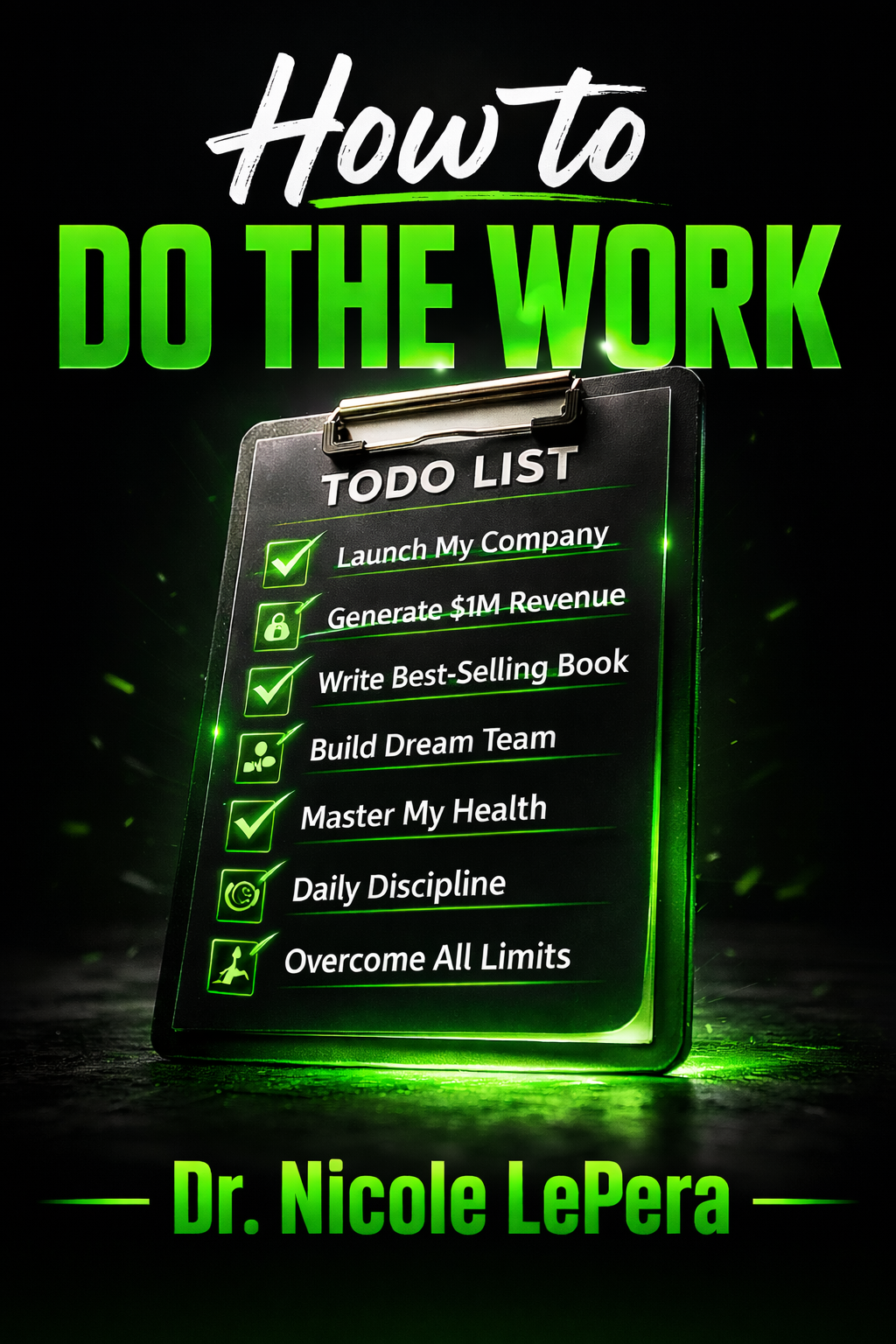
How to Do the Work
Chapter Summaries
What's Here for You
Tired of feeling stuck in cycles of self-sabotage? *How to Do the Work* offers a revolutionary path to healing, promising you'll become your own best healer. Dr. Nicole LePera unveils the hidden forces driving your behaviors, from subconscious patterns to the lingering impact of trauma – redefined beyond traditional limits. You'll gain powerful tools to connect with your body's wisdom, rewrite limiting beliefs, nurture your inner child, and understand the ego's protective role. This isn't just about understanding; it's about action. Learn to set healthy boundaries, reparent yourself with compassion, cultivate emotional maturity, and build interdependent relationships. Expect an empowering, insightful, and sometimes challenging journey as you unlock your innate capacity for resilience and lasting change. Get ready to break free from old patterns and create a more authentic, fulfilling life.
You Are Your Own Best Healer
Dr. Nicole LePera opens by painting a familiar scene: the cycle of resolve and relapse, the frustrating loop of wanting change but feeling inescapably stuck. She reveals that this feeling is universal, echoing through her diverse clientele, regardless of background or status. The core tension lies in the gap between knowing and doing, insight and action, a space where shame often thrives. LePera shares her own journey, born into a family masking dysfunction with normalcy, a silent agreement of emotional avoidance. This personal history fuels her quest to understand human behavior, leading her through various therapeutic models—CBT, interpersonal therapy, psychodynamic approaches—each offering pieces of the puzzle, yet none fully resolving the core issue of sustained change. Imagine the mind and body as a married couple, constantly bickering and miscommunicating, LePera suggests, Western medicine treats them as separate entities, a fundamental flaw in the healing process. She unveils the power of the mind-body connection, illustrating how even the mere thought of a lemon can trigger a sensory symphony. The narrative then pivots to epigenetics, a groundbreaking science that challenges genetic determinism. Genes are not destiny, but rather a deck of cards we can learn to play, influenced by our environment and choices. This revelation sparks a sense of agency, a shift from victim to creator. LePera underscores the profound impact of the placebo and nocebo effects, demonstrating the body's susceptibility to belief, a double-edged sword. Finally, she introduces Holistic Psychology, a philosophy addressing the interconnectedness of mind, body, and soul, emphasizing daily commitment, personal responsibility, and the power of small, consistent choices. To maintain change is like building a brick wall; each brick represents a choice, and consistency is the mortar. LePera shares the transformative story of Ally, a woman battling MS who reclaimed her health through small daily promises, illustrating the potential for healing even in the face of daunting diagnoses. The chapter culminates with practical steps: reflecting on areas of stuckness and initiating Future Self Journaling, tools to break free from subconscious autopilot and create a future aligned with our intentions. LePera champions the idea that healing is not a destination but a daily event, an inward journey fueled by choice and self-trust.
The Conscious Self: Becoming Aware
In this chapter of *How to Do the Work*, Dr. Nicole LePera introduces the critical concept of conscious awareness as the foundation for personal healing and growth, illustrating how most of us operate on subconscious autopilot, driven by ingrained patterns from childhood. She recounts the story of Jessica, a patient stuck in a cycle of reactivity, highlighting how Jessica's inability to connect with her true self led to self-destructive behaviors and relationship turmoil; Dr. LePera emphasizes that we are not our thoughts but rather the thinkers of our thoughts, urging us to recognize the constant mental chatter as separate from our core being. She unveils the subconscious mind as a vast storehouse of emotional experiences that shapes our perceptions and behaviors, often without our conscious knowledge, and how this subconscious programming, running 95% of our day, dictates much of our lives. She explains the homeostatic impulse, the mind and body's resistance to change, which keeps us tethered to familiar, even harmful, routines and how this resistance manifests as mental and physical discomfort, creating a barrier to breaking free from conditioned patterns. Dr. LePera shares how Jessica's journey took a transformative turn when she confronted the long-repressed grief over her father's death, and how this acknowledgment, coupled with practices like yoga and breathwork, helped her cultivate conscious awareness. Like a gardener tending to a neglected plot, Jessica began to weed out the automatic reactions and plant seeds of intentionality. Dr. LePera highlights the power of neuroplasticity, the brain's ability to reorganize itself, emphasizing that practices like meditation and yoga can physically thicken the prefrontal cortex, the seat of conscious awareness, rewiring our brains to disrupt default thought patterns. Finally, Dr. LePera underscores the profound impact of our beliefs, referencing a study on aging to demonstrate how our thoughts can influence our physical and cognitive well-being and urges readers to witness their body's sensations without judgment, fostering a deeper connection with their authentic selves. She provides practical exercises, such as focusing on the present moment during everyday activities and journaling to cultivate consciousness and create lasting change, setting intentions to break free from the subconscious programming.
A New Theory of Trauma
In this chapter of *How to Do the Work*, Dr. Nicole LePera challenges conventional definitions of trauma, expanding it beyond catastrophic events to include the pervasive impact of emotional and spiritual wounds. She introduces Christine, a self-help devotee whose food dissociation masks a history of sexual abuse and familial betrayal, illustrating how trauma manifests in unexpected ways. LePera recounts her own ACEs test score and initial dismissal of childhood trauma due to a lack of overt abuse, yet she grappled with memory gaps and emotional detachment, revealing a disconnect between the mind and body, echoing Dr. Bessel van der Kolk’s concept of simultaneously knowing and not knowing. She observes common threads among trauma survivors—functional perfectionism, addiction, and relationship issues—pointing to a deeper story of ingrained behavioral patterns. LePera then widens the lens, incorporating Robert Scaer’s definition of trauma as any negative life event experienced in a state of helplessness, further emphasizing the impact of societal factors like systemic oppression on marginalized groups. She underscores that trauma isn't just about the event, but our *perception* of it, especially in childhood, when self-betrayal becomes a survival mechanism. Like a sculptor shaping clay, childhood conditioning molds our subconscious beliefs and behaviors, often mirroring those of our parent-figures; LePera notes how unresolved parental traumas project onto children, hindering their ability to trust themselves. She presents archetypes of childhood trauma, such as having a parent who denies your reality, doesn't see or hear you, vicariously lives through you, doesn't model boundaries, is overly focused on appearance, or cannot regulate their emotions. LePera vividly recalls a personal experience where her mother’s emotional eruption exposed deep-seated family dynamics and her own subsequent emotional withdrawal, leading her to explore the push-pull dynamic of emotional reactivity and withdrawal in her relationships. Drawing on the work of Lazarus and Folkman, she distinguishes between adaptive and maladaptive coping strategies, highlighting how the latter, though providing temporary relief, ultimately deepen disconnection from the authentic Self. The chapter culminates with a message of hope: unresolved trauma, though universal, can be a catalyst for profound transformation, and resilience can be learned. LePera encourages readers to identify their childhood wounds and understand how learned coping strategies keep them stuck, emphasizing that healing begins with awareness and self-compassion.
Trauma Body
In this chapter, Dr. Nicole LePera delves into the profound connection between unresolved trauma and its manifestation in the body, beginning with her own experience of fainting and dismissing it as isolated incidents, until her body forced her to pay attention. She unveils how trauma isn't just a psychological burden but a physiological one, weaving itself into the fabric of our being. The author explains that unresolved trauma makes us more susceptible to physical and psychological ailments, with stress acting as the common denominator, disrupting homeostasis. Chronic stress, unlike normative stress, keeps the body in a perpetual state of alert, leading to the overactivation of certain systems and the suppression of others. LePera introduces polyvagal theory, explaining how the vagus nerve, linking the brain and gut, plays a crucial role in our stress response, determining whether we enter a state of social engagement or fight-or-flight. She illuminates the concept of neuroception, the autonomic nervous system's subconscious assessment of our environment for safety cues, highlighting how dysregulation can lead to misinterpretations and social anxiety. The author emphasizes that co-regulation, the mirroring of autonomic states, is essential for connection, yet trauma can disrupt this process, leading to emotional addiction, where the body craves the familiar, even if painful, biochemical responses associated with trauma. LePera paints a vivid picture of a nervous system stuck in overdrive, like an engine constantly revving, leading to chronic inflammation and gut issues. Ultimately, Dr. LePera offers a path forward, suggesting that understanding the nervous system's dysregulation and practicing techniques to improve vagal tone can empower individuals to manage their responses and begin to heal.
Mind-Body Healing Practices
Dr. Nicole LePera illuminates the profound connection between mind and body, challenging the notion that we are merely victims of our physiology; instead, she posits that our bodies possess an innate capacity for healing and resilience. The author recounts Ally's journey from a debilitating MS diagnosis to full remission through dedicated self-care, illustrating the power of daily commitment to mental and physical health. LePera introduces the concept of top-down and bottom-up processes, explaining how practices like meditation (top-down) and breathwork or yoga (bottom-up) can consciously decrease psychological stress and strengthen the vagus nerve. She emphasizes that healing often begins with witnessing our body's reactions and intuitive needs, a skill Ally developed through listening to her body's signals. The gut-brain axis is explored, revealing how our gut, with its 500 million neurons, directly communicates with the brain, influencing our mood and overall well-being, suggesting that what we eat isn't just fuel, but a conversation with our minds. LePera underscores the importance of nutrition, sleep, and breathwork in fostering this mind-body connection, proposing that even small changes can create a ripple effect of healing. LePera addresses the power of movement, especially yoga, to challenge and expand our stress tolerance, teaching the body to return to a state of calmness, while also noting that the path isn't about perfection, but about progress, offering grace and compassion during setbacks. Finally, Dr. LePera highlights the role of play and joy in activating the vagus nerve, reminding us that rediscovering childlike freedom can rewire our nervous system for safety and connection. Like a gardener tending to delicate plants, we must nurture our mind-body connection with consistent care, creating an environment where healing can flourish.
The Power of Belief
In "How to Do the Work," Dr. Nicole LePera delves into the profound influence of our core beliefs, those often-unexamined stories we tell ourselves to navigate life. She illuminates how these narratives, especially those formed in childhood, act as filters, shaping our perceptions and reactions. LePera uses a personal anecdote to illustrate this, recalling a childhood memory of her mother's anxiety when her father was late from work. This seemingly mundane event, she argues, instilled in her the core belief: "I am not considered." This belief manifested in her adult relationships, professional life, and even in interactions with strangers, casting her as a ghost in her own life. LePera explains that beliefs are practiced thoughts, validated by both internal and external experiences. Like a well-worn path in the mind, these thought patterns become ingrained, influencing our nervous system and body chemistry, sometimes creating emotional addictions. She introduces the concept of core beliefs – the deepest perceptions about our identity, often formed before the age of seven, acting as the framework for our personality. These beliefs, largely shaped by early environments and traumas, lead to confirmation bias, where we prioritize information that aligns with our existing beliefs, discarding contradictory evidence. The author highlights the role of the reticular activating system (RAS), the brain's gatekeeper, which filters information to reinforce our established beliefs, like suddenly noticing the car model you've been researching everywhere. LePera cautions against the trap of idealized childhoods, urging us to honestly witness our past and present experiences to facilitate healing, and reminds us that we are not our core beliefs. She emphasizes the vulnerability of early childhood, when our brains are in a constant state of learning and core beliefs are being formed, influenced by the availability of necessities like food, shelter, and love. Parent-figures play a crucial role, with studies showing brain wave synchronization between adults and babies during eye contact, creating a silent language of communication. When our needs are unmet in childhood, we may internalize false beliefs, assuming responsibility for the neglect. By age seven, though, we have already amassed the core beliefs and subconscious programming that will continue running our daily lives as adults. LePera underscores that when children's emotional needs are unmet, they may develop a core belief of unworthiness, overcompensating by exaggerating certain aspects of themselves while denying others. She advocates for recognizing these patterns and understanding the origins of our core beliefs, offering practical steps such as keeping a core beliefs inventory and creating new affirmations to challenge and reshape these ingrained narratives, emphasizing that changing these beliefs requires dedication and persistence, and ultimately, meeting our inner child.
Meet Your Inner Child
In "How to Do the Work," Dr. Nicole LePera introduces Anthony, a Wall Street stockbroker whose external success masks a history of deep trauma and addiction, a shadow existence fueled by sexual compulsions and self-loathing. Anthony’s story serves as a stark illustration of how childhood wounds can manifest in adulthood, driving destructive behaviors despite outward appearances. Dr. LePera then pivots to attachment theory, explaining John Bowlby's groundbreaking work on the crucial bond between parent-figures and children. She details Mary Ainsworth's Strange Situation Classifications, outlining the four attachment styles: secure, anxious-resistant, avoidant, and disorganized-disoriented; these styles, like invisible threads, weave themselves into our adult relationships. A secure attachment provides a safe base, allowing a child to explore and interact freely, while insecure attachments can lead to social anxiety and conduct disorders. The author transitions to the concept of the inner child, that childlike part of ourselves still echoing with the joys, fears, and unmet needs of our past. Dr. LePera recalls her own childhood disengagement, a self-protective shell formed in response to overwhelming emotions, a spaceship shielding her from a world that felt too intense. She emphasizes that this inner child, when unacknowledged, can drive impulsive and selfish reactions in adulthood, stemming from core wounds of unmet emotional, physical, and spiritual needs. These wounds, often activated by our romantic partners, can manifest as tantrums, resentment, or a desperate search for external validation. Dr. LePera identifies seven common inner child archetypes, from the caretaker who seeks worth through others' needs to the overachiever who equates success with love, each archetype a different mask worn to hide the underlying pain. She touches on the defense mechanism of idealization, where we create rosy narratives to cope with painful realities, sometimes fantasizing about a hero who will rescue us from our unhappiness. However, these fantasies can become traps, displacing our hope for change onto external figures and leading to a cycle of unfulfilled desires. The author underscores the importance of accepting our inner child, acknowledging its wounds without shame, and understanding that its reactions are not our entire identity. It’s about witnessing those reactions with curiosity, honoring the experiences that shaped them, and gradually distinguishing between the inner child's impulses and the authentic Self. Anthony's journey exemplifies this process: by acknowledging his wounded inner child, he began to unravel the shame-based narratives surrounding his behaviors and to see his past abuse from an adult perspective. The true shift, Dr. LePera notes, comes with accepting that the inner child will always be present, requiring an ongoing dialogue between our present self and its past hurts, allowing us to break the vicious cycles of shame and problematic coping. Dr. LePera provides writing prompts to initiate a dialogue with our inner child, encouraging us to address the unmet needs and core beliefs that continue to shape our lives. The work is never truly done, but in meeting our inner child, we begin to rebuild a connection to our most vulnerable and authentic self.
Ego Stories
In this chapter of *How to Do the Work*, Dr. Nicole LePera dissects the often-misunderstood role of the ego, revealing it not as an enemy, but as a protector, albeit an overzealous one. She begins with a personal anecdote, a flash of rage triggered by dirty dishes—a seemingly disproportionate reaction that unveils a deeper, subconscious narrative: "My partner doesn't consider me." This sets the stage for understanding the ego as the 'I' identity, the master storyteller crafting narratives about who we believe we are. The ego, developed in childhood, isn't inherently good or bad; it's a collection of beliefs and ideas absorbed from our environment, striving to maintain familiar, even painful, narratives because predictability feels safer than the unknown. Like a bodyguard always on high alert, the ego's core objective is to protect our identity, sometimes leading to defensiveness, judgment, and a rigid good-versus-bad dichotomy. When activated, everything feels personal, echoing the egocentric state of childhood, and LePera emphasizes how this can manifest as a constant need to please or impress others, keeping us stuck in cycles of shame and projection. She explains that the more shame we carry, the more barriers the ego erects, fearing future pain and failure. LePera illuminates how our ego works overtime, repressing emotions we deem unacceptable, creating a shadow self that we then project onto others—a defense mechanism to maintain a sense of value and safety. The author then shifts to practical application, offering a four-step process to work with the ego: first, allowing the ego to introduce itself; second, noticing the patterns that follow the phrase "I am"; third, naming the ego to separate from it; and fourth, meeting the activated ego with curiosity rather than judgment. She advocates for self-witnessing, not just observing behaviors but also being honest about the shadow self, recognizing that our projections onto others are often reflections of our own denied qualities. Ultimately, LePera champions the cultivation of empowerment consciousness, an understanding and acceptance of the ego that allows us to make choices beyond knee-jerk reactivity, to channel emotional activation into considered, intentional action, transforming dirty dishes from a trigger of rage into an opportunity for self-care and empowerment. The journey isn't about ego death, but about finding grace, humor, and empathy, recognizing that even in the face of systemic oppression, we can empower ourselves with choice, however small, whenever possible.
Trauma Bonds
In "How to Do the Work," Dr. Nicole LePera delves into the intricate world of trauma bonds, relationship patterns rooted in unmet childhood needs that continue to manifest in adulthood, often leading to cycles of disconnection and self-betrayal. LePera begins with her own story, recalling her attraction to relationships that mirrored the chaotic stress cycles of her youth, highlighting how familiarity, even in dysfunction, can be a powerful draw; she unveils how she recreated the emotional distance she learned in childhood, pushing partners away while simultaneously fearing abandonment, a dance of dysregulation that culminated in a painful realization of her own participation in relationship failures. Attachment theory, as applied to adult romantic relationships by researchers like Dr. Cindy Hazan and Dr. Phillip Shaver, reinforces the idea that early childhood bonds lay the foundation for adult connections, and Dr. Patrick Carnes's concept of traumatic bonding further illuminates how these insecure attachments can lead individuals to seek comfort from the source of their trauma, entangling themselves in exploitative relationships. LePera expands this definition, asserting that trauma bonds aren't limited to extreme cases of abuse but are present in almost all of our lives, shaping our interactions in peer, familial, romantic, and professional contexts; she emphasizes how these bonds arise from unmet needs and ego-protection stories formed in childhood, driving us to betray ourselves in order to receive love, echoing the early-life experiences where parts of ourselves were deemed unworthy. The author underscores that trauma bonds become an emotional addiction, a biochemical roller coaster where stress responses are mistaken for authentic connection, leading to a craving for the highs and lows that mirror early experiences of inconsistent love and attention, and this addiction can be as consuming as any other, altering our physiology and reinforcing the subconscious desire to relive the past, even if it's painful. LePera then introduces trauma bond archetypes, connecting them to specific childhood wounds such as having a parent who denies your reality, doesn't see or hear you, vicariously lives through you, doesn't model boundaries, is overly focused on appearance, or cannot regulate their emotions, and she illustrates these archetypes with examples like Shira and Joshua, a couple whose approach-withdrawal dynamic exemplifies the trauma bond trap, where unmet needs and resentment perpetuate a cycle of disconnection. Finally, LePera offers a path forward, emphasizing that awareness is the first step in breaking these patterns, that authentic love isn't about emotional roller coasters but about mutual respect, admiration, and the freedom to be fully seen and heard, and she encourages readers to identify their own trauma bonds through reflection and journaling, recognizing the role of self-betrayal and honoring their own needs to cultivate healthier, more fulfilling relationships, and in the end, the goal is to create space for mutual evolution, where both partners support each other's growth and self-expression, moving beyond the conditioned responses of the past.
Boundaries
In "How to Do the Work," Dr. Nicole LePera uses the case of her client, Susan, to illuminate the profound impact of boundaries, or the lack thereof, on our lives. Susan, initially blind to her family's dysfunction, gradually uncovers a pattern of enmeshment, particularly with her overbearing mother, a revelation that mirrors a broader struggle with boundarylessness in her relationships. Dr. LePera explains that boundaries are the clear limits that separate our thoughts, beliefs, needs, emotions, and spaces from others, and are essential for authentic connection; without them, we risk losing ourselves in service to others, as Susan did, becoming a doormat for friends and a caretaker for her mother, leading to feelings of invisibility and unworthiness. The absence of boundaries often stems from childhood experiences, especially enmeshment, where emotional lines blur and individual autonomy is stifled, and where family members fear separation and punish divergence from groupthink. The author cautions that this creates a false sense of closeness, based on shared heightened emotions rather than genuine connection, like a hall of mirrors reflecting only distorted images. Dr. LePera contrasts this with true closeness, which involves mutual sharing within clear boundaries, allowing for separate realities to coexist. She then introduces the concept of niceness as a barrier to boundary work, arguing that the compulsion to please others traps us in a cycle of self-denial, hindering our ability to assert our own value. She also addresses the other extreme: rigid boundaries that wall us off from others, repressing our intuitive voice and leading to loneliness. The author categorizes boundaries as rigid, loose, or flexible, and guides the reader to identify where their own boundaries fall within this spectrum. She emphasizes that boundaries are for oneself, not ultimatums for others, and that setting them involves meeting one's own needs regardless of others' reactions. Dr. LePera explores different types of boundaries—physical, resource, and mentalemotional—and the consequences of their absence or excess. She also delves into emotional dumping and oversharing, highlighting how these behaviors stem from boundarylessness and can harm relationships. To set boundaries effectively, the author advises defining them by witnessing one's feelings in various relationships, communicating them clearly using objective language, and maintaining them consistently, resisting the urge to overexplain or back down in the face of resistance. She reminds us that setting boundaries may disrupt others' expectations and trigger defensive reactions, but it ultimately empowers them by giving them a choice: to respect the boundary or face its consequences. Finally, Dr. LePera shares her own journey of setting boundaries with her family, starting with small changes around food and time, and eventually leading to a complete separation, a decision that, while painful, reoriented her life and led her to her true calling. She encourages readers to start small, practice on the periphery, and trust that the discomfort of setting boundaries will save them years of anger and resentment.
Reparenting
In "How to Do the Work," Dr. Nicole LePera explores the profound process of reparenting, a journey sparked often not by sudden revelation, but by the slow burn of accumulated insights, a concept echoing Dr. Steve Taylor's work on spiritual awakenings. These awakenings, LePera notes, often emerge from inner turmoil, connecting us to something larger than ourselves, revealing that who we think we are is not necessarily who we are; like a snake shedding old skin, this process involves painful awareness. LePera emphasizes that children's healthy development hinges on having their intrinsic needs met—to be seen, heard, and authentically expressed. However, many parent-figures, themselves grappling with unresolved traumas and emotional immaturity, struggle to provide this nourishment, leading to unmet needs and conditioned coping strategies in their children. The core insight here is that by understanding our parent-figures' limitations, we free ourselves from emotional loneliness, realizing their negativity was about them, not us. LePera introduces reparenting as the conscious act of becoming the wise parent we lacked, relearning how to meet our inner child's unmet needs through daily action; it's not about blame, but about taking responsibility for our own healing. This involves identifying our physical, emotional, and spiritual needs, quieting our inner critic, and cultivating self-respect and compassion, prioritizing our authentic selves. LePera outlines four pillars of reparenting: emotional regulation, achieved through practices like deep belly breathing and nonjudgmental self-witnessing; loving discipline, creating and maintaining boundaries with ourselves through small promises and routines, cultivating inner reliability; self-care, identifying and tending to our denied needs, especially sleep hygiene; and rediscovering our childlike sense of wonder through creativity, play, and spontaneity, combating the malnutrition of spirit. The journey isn't without its challenges, including judgment from others and the unearthing of long-suppressed anger. LePera cautions against expecting external validation from parent-figures, emphasizing that our reality is valid because we've experienced it. Ultimately, reparenting allows us to shift our entire existence, meet our separate being, honor our needs, and listen to our desires, transforming from a chaotic city environment to a balanced state of nature, a radical act of self-acceptance, dancing freely on the beach, unburdened by the weight of others' opinions.
Emotional Maturity
In this chapter of *How to Do the Work*, Dr. Nicole LePera dismantles the common misconception that emotional maturity correlates with age, asserting it's about tolerating and regulating one's own emotions and understanding those of others. She highlights how emotionally immature individuals often react defensively or shut down when faced with discomfort, triggered by an inability to witness different perspectives—a behavior stemming from deep-seated fears of being misunderstood or ostracized. LePera underscores the loneliness experienced by children of emotionally immature parent-figures, a void she personally understands, having struggled to access genuine joy due to disconnection from her authentic self. She illuminates how this disconnection often leads to an over-focus on external validation, exacerbating social anxiety, particularly in the age of social media, where likes and views become stand-ins for genuine connection. The challenge, as LePera articulates, lies not just in understanding ourselves but in understanding and accepting others, even when their paths diverge from our own. She introduces the ninety-second rule of emotions, explaining that emotions, as physiological events, last only briefly before the mind interferes, spinning stories that prolong suffering; she advocates for witnessing sensations without judgment to break this cycle. LePera then shifts to practical coping mechanisms, differentiating between soothing—proactive actions like moving the body or expressing emotions—and enduring—cultivating the ability to tolerate distress, trusting in one's inner resources to weather emotional storms. Like a gardener tending a delicate plant, emotional maturity requires nurturing our ability to tolerate discomfort, gradually widening our window of tolerance. Addressing parents directly, Dr. LePera emphasizes the importance of self-care and modeling emotional regulation, creating a secure base for children to navigate their own emotional landscapes; she champions the acceptance of imperfection, both in ourselves and in our parent-figures, fostering a reciprocal, authentic expression within family relationships. Finally, through the case study of John, LePera illustrates how meditative practices and boundary setting can transform deeply ingrained patterns of emotional immaturity, turning reactivity into mindful responsiveness, and self-centeredness into genuine connection. The chapter culminates with actionable steps, including daily body connection meditations and self-accountability check-ins, empowering readers to embrace discomfort, forgive themselves, and cultivate unwavering self-trust.
Interdependence
In "Interdependence," Dr. Nicole LePera navigates the complex terrain of emotional maturity and its profound connection to community. She begins with a personal anecdote, recounting a moment of vulnerability triggered by online criticism, a stark reminder that the journey of self-healing is ongoing, marked by both progress and setbacks. LePera vividly describes retreating into self-pity, scrolling through social media like a wounded animal seeking further pain, until her partner, Lolly, extends an invitation to witness the bioluminescent waves at Venice Beach. This sets up the chapter’s central tension: the struggle between isolation and connection. LePera highlights the ego's tendency to create narratives of betrayal, drawing from inner child wounds. Yet, through conscious effort—breathwork, witnessing, and naming emotions—she begins to dismantle these narratives, choosing instead to join Lolly at the beach, a symbolic step toward interdependence. The author emphasizes that interdependence isn't merely about emotional maturity; it’s about our emotional state in relation to others, especially those we love. This leads to the idea that authentic connection fosters joy, empathy, and collaboration. LePera then introduces the concept of finding one's community, a crucial piece of the healing journey. She recounts her own experience of creating The Holistic Psychologist online, driven by a need to connect with others who understood her new awareness, a beacon in what felt like a slumbering world. The overwhelming response confirmed her belief in the power of community as a space for collective healing. Research, she notes, underscores the vital role of connection, revealing that loneliness is a public health issue, increasing the risk of various illnesses. Authentic friendship, therefore, becomes a cornerstone of interdependence—a two-way street of genuine connection where individuals can be separate together. LePera illustrates this with the story of meeting Jenna, a serendipitous connection that highlights how alignment with one's authentic self attracts like-minded individuals. She stresses the importance of feeling safe enough to express our internal state, even when dysregulated, trusting that we can return to baseline with the support of our community. Only then can we achieve true intimacy, expressing our authentic selves without fear. The chapter concludes with practical steps to assess and cultivate interdependence, urging readers to examine their boundaries, communication skills, truth-speaking, intentions, and self-witnessing abilities. Ultimately, LePera invites readers to embrace the ongoing journey of healing, recognizing that as we heal ourselves, we heal the world around us, fostering a sense of oneness and connection with all that is.
Conclusion
Dr. LePera's 'How to Do the Work' offers a powerful synthesis: lasting healing transcends intellectual understanding, demanding consistent action. Unacknowledged trauma and emotional avoidance create stagnation, highlighting the interconnectedness of mind and body. Epigenetics reveals our power to shape our health, while beliefs tangibly impact well-being. Small, daily promises foster significant change. We are not our thoughts but the thinkers, capable of detaching from reactive patterns. The subconscious drives behavior, requiring conscious overrides. Navigating the homeostatic impulse, that resistance to change, is key. Practices like yoga and meditation strengthen the prefrontal cortex, rewiring the brain. Repressed emotions must be processed, as unacknowledged grief fuels reactivity. Witnessing body sensations without judgment fosters self-awareness. Trauma extends beyond catastrophic events to include emotional wounds from childhood. Dissociation protects but disconnects. Childhood conditioning shapes subconscious patterns. Maladaptive coping reinforces disconnection. Recognizing childhood wounds is the crucial first step. Trauma's impact hinges on individual perception, especially in childhood. Resilience can be learned, transforming trauma into growth. Unresolved trauma manifests physically. Chronic stress overactivates the immune system. The vagus nerve regulates stress response. Dysregulation leads to social anxiety. Co-regulation fosters safety. Trauma causes emotional addiction. Improving vagal tone promotes healing. Bodies have innate healing capacity. Top-down and bottom-up practices regulate the nervous system. Listening to the body activates healing. The gut-brain axis connects digestion and mental well-being. Prioritizing sleep, nutrition, and breathwork strengthens the mind-body connection. Movement widens stress tolerance. Rediscovering play rewires the nervous system. Core beliefs filter perceptions. Beliefs are practiced thoughts. Confirmation bias reinforces beliefs. The RAS reinforces established beliefs. Unmet childhood needs lead to false beliefs. Challenging core beliefs is essential. Changing core beliefs requires dedication. Attachment styles shape adult relationships. Unacknowledged wounds manifest as the 'inner child.' Identifying inner child archetypes provides insight. Idealization hinders growth. Accepting the wounded inner child is the first step. Engaging in dialogue with the inner child unravels shame. Inner child work cultivates connection. The ego protects, maintaining familiar narratives. Ego activation manifests as defensiveness. Shame fuels ego defenses. Working with the ego involves self-witnessing. Cultivating empowerment consciousness allows for choices beyond reactivity. Trauma bonds stem from unmet needs. Early attachment influences relationships. Trauma bonds become emotional addictions. Identifying trauma bond archetypes breaks patterns. Authentic love is characterized by mutual respect. Boundaries cultivate self-respect. Recognize enmeshment patterns. Shift from people-pleasing to assertive communication. Distinguish between healthy venting and emotional dumping. Implement and maintain boundaries. Practice self-compassion. Spiritual awakenings emerge from inner turmoil. Children's unmet needs lead to conditioned coping. Reparenting involves becoming the wise parent. The four pillars of reparenting are emotional regulation, loving discipline, self-care, and rediscovering childlike wonder. External validation may not be forthcoming. Reparenting requires honoring needs. Emotional maturity is about tolerating emotions. Disconnection leads to over-reliance on validation. Emotions are brief unless prolonged by mental stories. Coping with emotions involves both proactive soothing and enduring distress. Modeling emotional regulation is crucial. Accepting imperfection is essential. Meditation and boundary setting transform patterns. Emotional maturity is an ongoing process. Challenge ego-driven narratives. Community is essential for healing. Authentic relationships require expressing your true self. Loneliness is a significant health issue. Interdependence is about being separate together. Cultivate interdependence by strengthening boundaries, communication, and self-awareness.
Key Takeaways
Lasting change requires consistent daily action, bridging the gap between insight and behavior.
Emotional avoidance and unacknowledged trauma can perpetuate cycles of feeling stuck.
The mind and body are interconnected, and healing requires addressing both holistically.
Epigenetics reveals that our genes are influenced by our environment and choices, empowering us to shape our health.
Beliefs have a tangible impact on our physical and mental well-being, as demonstrated by the placebo and nocebo effects.
Small, sustainable daily promises can create significant transformation over time.
Recognize that you are not your thoughts; you are the thinker, allowing you to detach from reactive patterns.
Understand that the subconscious mind, shaped by past experiences, drives most daily behaviors, requiring conscious effort to override autopilot.
Acknowledge the homeostatic impulse, the mind and body's resistance to change, and learn to navigate the discomfort it creates.
Cultivate conscious awareness through practices like yoga, breathwork, and meditation to strengthen the prefrontal cortex and rewire the brain.
Confront and process repressed emotions, as unacknowledged grief or trauma can fuel reactivity and hinder personal growth.
Witness your body's sensations without judgment to foster self-awareness and identify triggers for defensive or withdrawal behaviors.
Practice daily exercises, such as focusing on the present moment and journaling, to build consciousness and create new, intentional habits.
Trauma extends beyond catastrophic events to include emotional and spiritual wounds resulting from consistent self-betrayal and unmet needs in childhood.
Dissociation serves as a protective coping mechanism, creating a disconnect between mind and body, often leading to memory gaps and emotional detachment.
Childhood conditioning, particularly mirroring parent-figures' behaviors and beliefs, profoundly shapes subconscious patterns and coping strategies.
Maladaptive coping mechanisms, while offering temporary relief from stress, ultimately reinforce disconnection from the authentic Self and perpetuate cycles of pain.
Recognizing and understanding one's childhood wounds is the crucial first step toward healing and breaking free from ingrained behavioral patterns.
The impact of trauma is not solely determined by the event itself but by an individual's perception and response, especially during the formative years of childhood.
Resilience can be learned and cultivated, transforming experiences of trauma into catalysts for profound personal growth and healing.
Unresolved trauma manifests physically, increasing susceptibility to illness due to chronic stress and disrupted homeostasis.
Chronic stress leads to the overactivation of the immune system, causing inflammation and increasing the risk of autoimmune diseases.
The vagus nerve plays a central role in regulating the body's stress response, influencing whether we enter social engagement or fight-or-flight mode.
Dysregulation of the nervous system can lead to misinterpretation of social cues, contributing to social anxiety and disconnection.
Co-regulation, the mirroring of autonomic states, is essential for building connection and fostering a sense of safety.
Trauma can lead to emotional addiction, where the body craves the familiar biochemical responses associated with stress.
Improving vagal tone through specific practices can help manage nervous system responses and promote healing from trauma.
Our bodies have an innate capacity to heal and relearn healthy coping mechanisms, even after significant trauma.
Consciously engaging in top-down (meditation) and bottom-up (breathwork, yoga) practices can regulate the nervous system and promote healing.
Listening to and witnessing the body's reactions and intuitive needs is crucial for understanding and activating its healing potential.
The gut-brain axis highlights the profound connection between digestive health and mental well-being, emphasizing the impact of nutrition on mood and overall health.
Prioritizing sleep, nutrition, and breathwork are foundational steps for strengthening the mind-body connection and promoting healthy vagal tone.
Movement, especially yoga, widens our window of stress tolerance by engaging both mind and body, promoting resilience.
Rediscovering play and joy can rewire our nervous system for safety and connection, fostering healing through social engagement and emotional expression.
Core beliefs, formed in childhood, act as filters, shaping our perceptions and reactions in adulthood.
Beliefs are practiced thoughts, validated by experience, that can become ingrained and influence our physiology.
Confirmation bias reinforces existing beliefs by prioritizing congruent information and discarding contradictory evidence.
The reticular activating system (RAS) acts as the brain's filter, reinforcing established beliefs.
Unmet childhood needs can lead to the internalization of false beliefs and feelings of unworthiness.
Becoming aware of and challenging core beliefs is essential for healing and personal growth.
Changing core beliefs requires dedication, persistence, and consistent practice of new, empowering thoughts.
Attachment styles formed in infancy profoundly shape adult relationships, influencing our ability to form secure bonds and navigate emotional challenges.
Unacknowledged childhood wounds manifest as the 'inner child,' driving impulsive and self-sabotaging behaviors in adulthood, often triggered by close relationships.
Identifying one's inner child archetype—such as the caretaker, overachiever, or rescuer—provides insight into the unmet needs and core beliefs driving their behavior.
Idealization and hero-based fantasies serve as defense mechanisms against the pain of unmet childhood needs, but can hinder personal growth by displacing hope onto external figures.
Accepting the presence of a wounded inner child, without shame, is the first step towards healing and distinguishing between its reactions and the authentic Self.
Engaging in ongoing dialogue with the inner child helps to unravel shame-based narratives and break the cycles of problematic coping mechanisms.
Inner child work is not about eliminating the inner child, but cultivating a continuous connection between the present self and the inner child.
The ego, developed in childhood, functions as a protector, striving to maintain familiar narratives, even if painful, because predictability feels safer than the unknown.
Ego activation often manifests as defensiveness, judgment, and a rigid good-versus-bad dichotomy, stemming from a need to protect our identity and avoid perceived threats.
Shame fuels the ego's defenses, leading to the repression of our shadow self and the projection of these denied qualities onto others as a means of maintaining a sense of value and safety.
Working with the ego involves self-witnessing—observing behaviors and being honest about the shadow self—to recognize that projections onto others often reflect our own denied qualities.
Cultivating empowerment consciousness—understanding and accepting the ego—allows for choices beyond knee-jerk reactivity, transforming triggers into opportunities for self-care and empowerment.
Trauma bonds are relationship patterns rooted in unmet childhood needs, leading to cycles of disconnection and self-betrayal in adulthood.
Early childhood attachment styles significantly influence adult romantic relationships, often causing individuals to recreate familiar, even dysfunctional, dynamics.
Trauma bonds can become an emotional addiction, where stress responses are mistaken for authentic connection, driving individuals to seek out chaotic and unstable relationships.
Identifying trauma bond archetypes, linked to specific childhood wounds, is the first step in breaking these patterns and fostering healthier relationships.
Authentic love is characterized by mutual respect, admiration, and the freedom to be fully seen and heard, rather than the emotional roller coaster often associated with trauma bonds.
Establish boundaries to cultivate self-respect and authentic relationships by clearly defining your limits and needs.
Recognize enmeshment patterns from childhood to understand how they impact your current boundary-setting abilities and relationships.
Shift from people-pleasing to assertive communication to honor your own needs and foster healthier interactions.
Distinguish between healthy venting and emotional dumping to avoid burdening others and maintain reciprocal relationships.
Implement and maintain new boundaries consistently, resisting the urge to overexplain or yield to others' reactions.
Practice self-compassion and understand others' limitations to navigate boundary-setting with empathy and realistic expectations.
Spiritual awakenings are often gradual, emerging from inner turmoil and connecting us to something greater than ourselves.
Children's unmet needs due to emotionally immature parents can lead to conditioned coping strategies and emotional loneliness.
Reparenting involves becoming the wise parent we lacked, meeting our inner child's needs through daily, conscious action.
The four pillars of reparenting are emotional regulation, loving discipline, self-care, and rediscovering childlike wonder.
External validation from parent-figures may not be forthcoming; our reality is valid because we've experienced it.
Reparenting requires identifying and honoring our needs, even if it means upsetting others or disrupting our comfort zone.
Emotional maturity is not determined by age but by the ability to tolerate and regulate emotions, both in oneself and in others.
Disconnection from one's authentic self, often rooted in childhood experiences, leads to an over-reliance on external validation and heightened social anxiety.
Emotions, as physiological events, are brief unless prolonged by mental stories; witnessing sensations without judgment can break this cycle.
Coping with emotions effectively involves both proactive soothing methods and cultivating the ability to endure distress, expanding one's window of tolerance.
Modeling emotional regulation and self-care as a parent is crucial for fostering emotional maturity in children, creating a secure base for their emotional development.
Accepting imperfection, both in oneself and in parent-figures, is essential for fostering authentic expression and secure attachment in relationships.
Meditation and boundary setting can transform ingrained patterns of emotional immaturity, shifting reactivity into mindful responsiveness.
Emotional maturity is an ongoing process with both progress and setbacks; self-awareness and acceptance are key.
Challenge ego-driven narratives by witnessing thoughts and feelings without judgment, replacing them with counter-stories that affirm worthiness and connection.
Community is essential for healing; proactively seek out supportive connections that resonate with your authentic self.
Authentic relationships require expressing your true self without fear, fostering mutual respect and understanding.
Loneliness is a significant health issue; prioritize building and maintaining meaningful connections to improve well-being.
Interdependence is about being separate together, maintaining individuality while fostering genuine connection with others.
Cultivate interdependence by consciously assessing and strengthening your boundaries, communication, and self-awareness in relationships.
Action Plan
Reflect on areas where you feel stuck and identify patterns in your thoughts, emotions, and behaviors.
Start a Future Self Journal and set a conscious daily intention for change.
Make a small, actionable promise to yourself each day that supports your desired future outcome.
Pay attention to your internal dialogue and challenge negative self-talk.
Explore practices that nurture the mind-body connection, such as mindfulness, yoga, or meditation.
Consider how your environment and relationships may be influencing your gene expression and make conscious choices to support your well-being.
Practice self-compassion and acknowledge your progress, no matter how small.
Practice present moment awareness for 1-2 minutes daily, focusing on sensory experiences during routine activities.
Journal daily, using prompts to explore your thoughts, feelings, and patterns of behavior.
Set reminders throughout the day to check in with yourself and notice where your attention is focused.
Engage in physical movement, such as yoga or walking, to ground yourself in the present moment and cultivate attentional control.
Identify and acknowledge the mental and physical sensations associated with the homeostatic impulse when attempting to change habits.
Challenge one default thought pattern each day by questioning its validity and exploring alternative perspectives.
Create a safe and supportive environment where you can explore your emotions and vulnerabilities without judgment.
Practice breathwork techniques to calm the mind and body when experiencing anxiety or agitation.
Confront one small, uncomfortable task each day to gradually expand your comfort zone and build resilience.
Reflect on childhood experiences where your reality was denied or invalidated by parent-figures, and journal about the emotions that arose.
Identify patterns of emotional detachment or dissociation in your current life and explore potential triggers or underlying traumas.
Examine your parent-figures' behaviors and beliefs, and identify ways they may have shaped your subconscious patterns and coping mechanisms.
Practice witnessing your emotions without judgment, allowing sensations to pass through your body rather than resorting to maladaptive coping strategies.
Explore the archetypes of childhood trauma presented in the chapter and identify which ones resonate most strongly with your experiences.
Identify specific instances where you betrayed your authentic self in order to gain approval or avoid conflict, and reflect on the underlying beliefs that drove those actions.
Assess your own boundaries and identify areas where you may need to establish clearer limits in your relationships.
Practice self-compassion when exploring painful memories or emotions, recognizing that your responses are often rooted in past traumas.
Identify any messages you received about your appearance and examine how these messages have influenced your self-perception.
When experiencing strong emotions, take a moment to breathe and identify the feeling, allowing it to pass through you without judgment.
Witness yourself: Track symptoms of nervous system dysregulation, including activation, shutdown, hypervigilance, tension, and social difficulties.
Engage your senses: Actively focus on a smell, taste, or visual in your current environment to ground yourself in the present moment.
Practice visualization: Close your eyes, take a deep breath, and visualize a white light coming from your heart, repeating the words I am safe, and I am at peace.
Be mindful of information consumption: Pay attention to how different types of media affect your body and nervous system.
Connect with nature: Spend time outdoors, noticing the colors of flowers, sitting under trees, or placing your bare feet on the earth.
Practice Future Self Journaling: Use FSJ prompts to create a new experience of nervous system balance in your daily life.
Restore balance to your nervous system: Incorporate practices such as meditation and spending time in nature to regulate your nervous system.
Practice daily breathwork exercises, focusing on deep belly breaths to calm the body and promote a sense of safety.
Incorporate regular movement into your routine, such as yoga or walking, to challenge your mind and body and improve vagal tone.
Pay attention to your body's signals and intuitive needs, asking yourself throughout the day how you are feeling and what you need.
Prioritize sleep by establishing a consistent bedtime routine and creating a relaxing sleep environment.
Make conscious food choices that nourish your body and support a healthy gut microbiome, focusing on whole, nutrient-dense foods.
Incorporate fermented foods into your diet, such as sauerkraut, yogurt, or kimchi, to support gut health.
Set aside time for play and joyful activities, rediscovering childlike freedom and allowing yourself to experience pure enjoyment.
Practice Future Self Journaling, writing daily prompts that reinforce your intention to make new choices and create new habits.
Reflect on your childhood experiences and identify potential sources of your core beliefs.
Pay attention to recurring themes and narratives in your thoughts throughout the day.
Keep a journal to record your core beliefs about yourself, others, the world, and the future.
Identify a core belief you want to change and formulate a new, empowering belief to replace it.
Practice your new affirmation or mantra consistently, reciting it throughout the day.
Be patient with yourself and acknowledge that it takes time to retrain your brain and change deeply ingrained beliefs.
Challenge negative thoughts and beliefs by seeking evidence that contradicts them.
Practice self-compassion and recognize that everyone has limiting beliefs; you are not alone.
Reflect on your childhood relationships with primary caregivers to identify your attachment style.
Identify your dominant inner child archetype (e.g., caretaker, overachiever) and its associated unmet needs.
Practice self-witnessing when triggered emotionally, observing the inner child's reactions without judgment.
Write a letter to your inner child, acknowledging its wounds and offering compassion and validation.
Challenge idealizations or hero-based fantasies by focusing on your own agency and capacity for change.
Engage in activities that nurture your inner child, such as play, creative expression, or self-care.
When shame is activated, give a voice to whatever part of you needs a safe place to express itself.
Cultivate a daily practice of self-compassion to internalize a sense of okayness that is not dependent on external validation.
Practice identifying your ego's narratives by paying attention to the thoughts and beliefs that follow the phrase "I am."
Name your ego to create a sense of separation and observe its reactions without judgment.
When you feel emotionally activated, pause and ask yourself what core emotion or belief is being triggered.
Reflect on your judgments of others to identify potential projections of your own shadow self.
Challenge your ego's rigid thinking by seeking out diverse perspectives and considering alternative viewpoints.
Practice self-compassion when your ego is activated, acknowledging its protective intentions without indulging its reactivity.
Create a ritual or practice that helps you feel grounded and connected to your authentic self, such as meditation or spending time in nature.
Engage in activities that allow you to express and integrate your shadow self, such as journaling or creative expression.
Reflect on past and present relationships to identify patterns of behavior that align with trauma bond archetypes.
Journal about childhood wounds and how they may be influencing current relationship dynamics.
Practice recognizing and challenging the urge to betray yourself in order to receive love or validation from others.
Develop and enforce healthy boundaries in relationships, learning to say 'no' without guilt or fear.
Cultivate self-compassion and self-trust, making decisions based on your own inner knowing rather than outsourcing your worth to others.
Engage in practices that promote emotional regulation, such as breathwork, meditation, or mindfulness, to manage emotional reactivity in relationships.
Communicate openly and honestly with your partner about your needs and feelings, creating space for mutual understanding and support.
Seek professional support from a therapist or counselor to address underlying trauma and develop healthier relationship patterns.
Identify a relationship where you feel your boundaries are frequently crossed.
Assess your current boundary style (rigid, loose, or flexible) using the self-diagnostic tool provided in the chapter.
Define a specific boundary you want to establish in that relationship, focusing on your needs and limits.
Use the boundary-setting template to craft a clear and assertive communication about your new boundary.
Practice the communication aloud to build confidence before sharing it with the other person.
Choose a time to communicate your boundary when both you and the other person are emotionally settled.
Maintain your new boundary consistently, resisting the urge to overexplain or back down.
Prepare for potential pushback or emotional reactions from the other person, and remind yourself of your right to set boundaries.
Focus on your own actions and responses rather than trying to control the other person's behavior.
Reflect on how setting this boundary impacts your feelings of safety, self-worth, and connection in the relationship.
Identify your physical, emotional, and spiritual needs through journaling or self-reflection.
Practice deep belly breathing and nonjudgmental self-witnessing to regulate your emotions.
Set small, achievable daily promises to yourself and consistently follow through with them.
Incorporate self-care activities into your routine, such as meditation, exercise, or spending time in nature.
Rediscover your childlike sense of wonder by engaging in creative hobbies or spontaneous activities.
Challenge your inner critic and cultivate self-compassion through positive self-talk.
Set healthy boundaries with others, even if it feels uncomfortable.
Express your feelings and needs assertively, without expecting external validation.
Practice saying no to things that do not serve you or align with your values.
Reflect on your childhood experiences and identify any unmet needs that you can now address as an adult.
Practice daily body connection meditations to become more aware of your body's unique responses to different emotions.
Identify your personal soothing activities (e.g., taking a bath, moving your body) and enduring activities (e.g., resting, grounding yourself) to help your body return to balance.
When experiencing a strong emotion, pause and witness the sensations in your body without judgment, remembering the ninety-second rule.
Reflect on your childhood experiences and identify any patterns of emotional immaturity that may be influencing your current relationships.
Set clear emotional boundaries with others and communicate them assertively, without fear or shame.
If you are a parent, prioritize self-care and model emotional regulation for your children, creating a secure and supportive environment.
Engage in self-accountability check-ins after stressful events to identify patterns and learn from your reactions.
Practice accepting imperfection in yourself and others, extending compassion and forgiveness.
Explore meditative practices to cultivate mindfulness and reduce reactivity in challenging situations.
When feeling overwhelmed, give yourself permission to say no and prioritize your emotional resources.
Assess your current level of interdependence by examining your boundaries, communication, and self-awareness in relationships.
Practice setting daily intentions to create change in areas where you want to strengthen interdependence.
Actively seek out communities and connections that resonate with your authentic self.
Challenge ego-driven narratives by witnessing your thoughts and feelings without judgment.
Prioritize building and maintaining meaningful relationships to combat loneliness and improve well-being.
Express your authentic self in all areas of your life, even when it feels vulnerable.
Engage in daily practices like breathwork, meditation, or yoga to balance your nervous system and foster connection.
Cultivate a daily relationship with your inner child and reparent yourself with compassion and understanding.
Identify and meet your unique physical, emotional, and spiritual needs to foster a sense of wholeness.
Practice open communication and emotional processing with yourself and others, creating space for vulnerability and understanding.