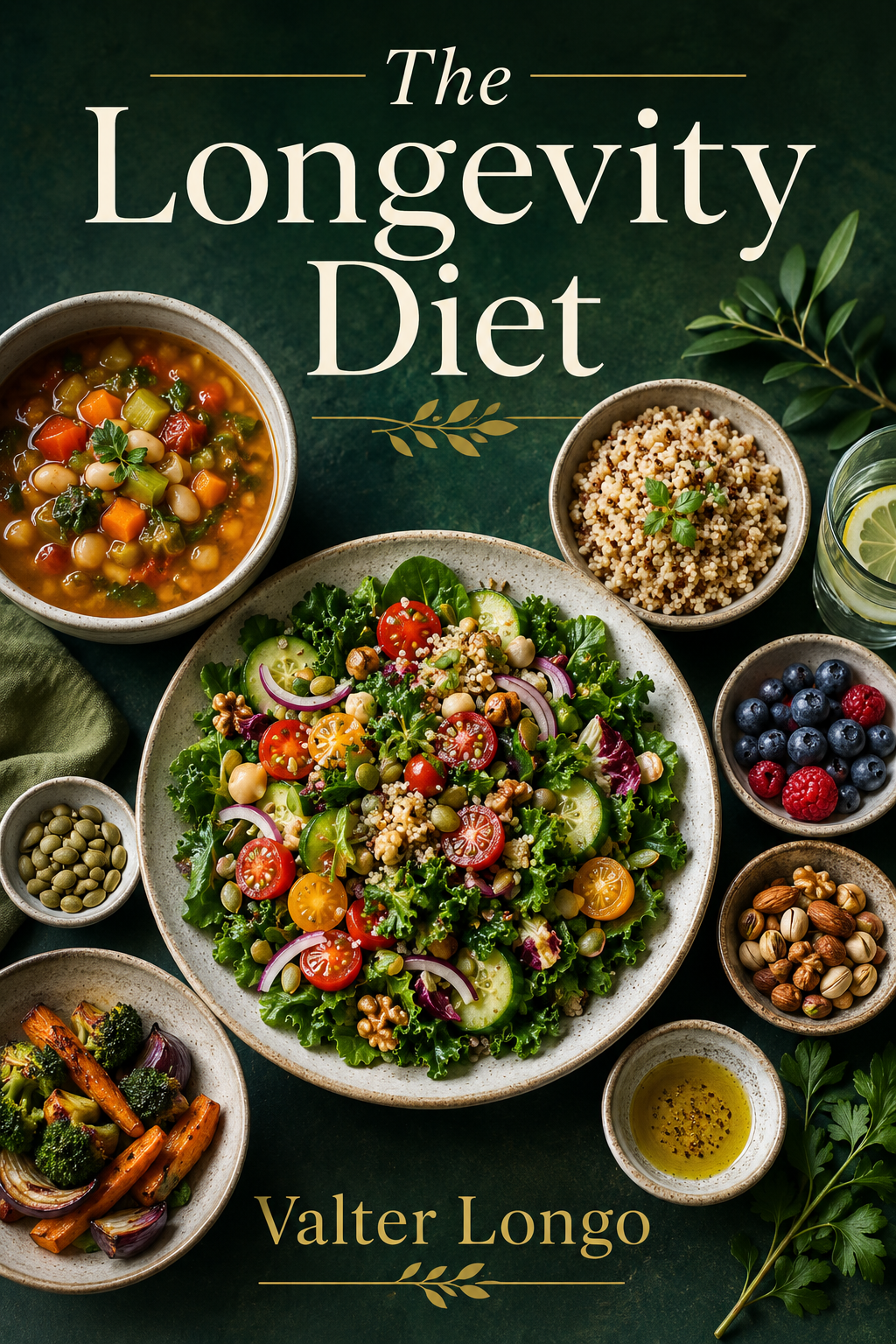
The Longevity Diet
Chapter Summaries
What's Here for You
Embark on a transformative journey with *The Longevity Diet*, a guide promising to reshape your understanding of food and aging. Inspired by the remarkable longevity observed in regions like Molochio, Italy, this book unveils a revolutionary approach to nutrition, one that prioritizes not just lifespan, but healthspan – the years lived in vitality. Dr. Valter Longo, a leading voice in aging research, distills decades of scientific inquiry into actionable strategies, offering a roadmap to a longer, healthier life. Prepare to challenge conventional dietary wisdom as you explore the Five Pillars of Longevity and the groundbreaking Fasting-Mimicking Diet (FMD). Discover how targeted nutrition and strategic fasting can reprogram your body at a cellular level, potentially mitigating risks associated with cancer, diabetes, cardiovascular disease, Alzheimer's, and autoimmune disorders. This isn't just a diet; it's a proactive investment in your future, a journey towards sustained youthfulness fueled by the power of food. Expect a blend of scientific rigor and practical guidance, delivered with a compassionate tone, empowering you to take control of your health and rewrite your aging narrative.
Caruso’s Fountain
The journey begins in Molochio, a small Calabrian town where Valter Longo spent formative years, observing the exceptional longevity of its residents, a stark contrast to his grandfather's premature death, sparking a lifelong quest to understand aging. Longo reflects on the apparent 'fountain of youth' in Molochio, personified by Salvatore Caruso, a 108-year-old man featured in a scientific journal for the region's dietary habits. The author emphasizes that genuine longevity extends beyond mere luck or single factors, such as the town's water source. Instead, Longo contrasts the traditional Calabrian and Ligurian diets, rich in vegetables and complex carbohydrates, with the detrimental effects of the heavy, meat-laden American diet he encountered in Chicago, where relatives suffered from cardiovascular diseases uncommon in Italy. He vividly recalls his time in Chicago, a sensory overload of unhealthy foods, a stark difference from his upbringing. The narrative tension escalates as Longo recounts his demanding Army training, pushing physical limits on a diet of meat and carbohydrates, leading to initial strength gains but foreshadowing future health issues. Longo reveals a turning point: his shift from music to science, driven by a desire to understand and combat aging, a decision initially met with skepticism. His musical background, however, surprisingly equipped him with unique pattern-recognition and improvisational skills crucial for scientific discovery; he uses the analogy of a Mozart symphony to explain the limitations of antioxidant supplementation, highlighting the need for holistic, evolutionary-aligned approaches. Longo then underscores the importance of self-doubt and paranoia in scientific inquiry, fostering both creativity and rigor, leading him to groundbreaking research on protein damage and aging. Ultimately, Longo's personal health crisis, marked by high cholesterol and blood pressure, catalyzes his immersion into the world of nutrition and longevity, setting the stage for a transformative dietary and lifestyle change, and a career dedicated to extending healthy lifespans through a deep understanding of how food interacts with our bodies on a molecular level, a field he calls 'nutritechnology'.
Aging, Programmed Longevity, and Juventology
Valter Longo opens the chapter by questioning why we age, suggesting a shift in focus from treating age-related diseases to maintaining youthfulness. He challenges traditional evolutionary theories, introducing the programmed longevity theory, which posits that aging might be pre-determined for the greater good, akin to a company enforcing retirement to benefit the collective. Longo recounts his debates with scientists, illustrating the uphill battle against established dogma, emphasizing the need to consider alternative evolutionary theories to maximize healthy lifespans. He introduces the concept of 'juventology,' the study of youth, advocating for regeneration and replacement of aged components over merely slowing down aging, a concept that reframes our approach to longevity. It's the difference between tinkering with an engine and rebuilding it entirely. Longo then shares his journey into the genetics of longevity, from his time at UCLA studying caloric restriction to his groundbreaking work with baker's yeast, a simple organism that unlocked profound insights into the aging process. He recalls the initial skepticism towards his research on yeast, highlighting the scientific community's resistance to new ideas. Longo details his work with a community in Ecuador with Laron syndrome, whose genetic mutations offered protection against diseases, providing crucial evidence that similar longevity programs exist across species, from yeast to humans. The chapter culminates in Longo connecting nutrition, genes, aging, and diseases, arguing that aging itself is the primary risk factor for major diseases. Therefore, intervening in the aging process through diet, by controlling key genes and pathways, is more effective than treating diseases individually. He emphasizes the importance of understanding the molecular and cellular causes of disease to restore youthful function, advocating for a longevity-based approach that awakens inherent programs within the body, contrasting it with conventional, targeted medical treatments. A poignant memory of children battling cancer fuels his determination to find inexpensive, diet-based therapies, leading to the discovery of differential stress resistance and sensitization. Longo concludes by setting the stage for the book's exploration of daily diets and fasting-mimicking diets, aiming to extend healthy human longevity.
The Five Pillars
Valter Longo opens the chapter by challenging the conventional approach to dieting, urging us to consider longevity and healthy aging as the primary goals, painting a picture where death isn't necessarily synonymous with disease. He illustrates this with examples from biogerontology, highlighting how dietary interventions can extend healthy lifespan in various organisms, including humans, referencing studies of mice, monkeys, and even unique cases of individuals with growth hormone receptor deficiencies. Longo then addresses the overwhelming and often contradictory dietary advice prevalent today, cautioning against the notion that everyone is a diet expert, illustrating this point with an anecdote from a train ride, emphasizing the importance of seeking guidance from qualified scientists and clinicians, rather than relying on simplistic notions of moderation. He argues that true dietary wisdom stems from a deep understanding of nutrition, aging, and disease, revealing that the Longevity Diet isn't about miracle cures or fad diets, but about making informed choices based on solid scientific evidence. To navigate this complex landscape, Longo introduces the Five Pillars of Longevity, a framework designed to filter dietary information and identify the optimal foods for healthy aging; these pillars include basic juventology research, epidemiology, clinical studies, centenarian studies, and studies of complex systems. He cautions against diets based on only one or two pillars, such as high-protein, high-fat, low-carb diets, which may show short-term benefits but lack long-term scientific support, he compares such diets to a car running on poorly refined fuel, it might move fast initially, but the engine will soon sputter and fail. The author underscores that a longevity diet requires a holistic understanding, and while one diet can fit most, individual needs may vary based on age, physical state, and genetics, urging readers to view food as a complex mixture of molecules capable of causing significant changes in the body, which itself is a complex molecular system. Thus, the chapter serves as a call to informed action, advocating for a science-based approach to diet, guided by the Five Pillars of Longevity, to achieve not just a longer life, but a healthier one.
The Longevity Diet
In "The Longevity Diet," Valter Longo unveils a transformative approach to nutrition, challenging conventional wisdom and inviting us to reconsider our relationship with food. Longo begins by emphasizing that food isn't merely sustenance; it's a powerful set of molecules capable of reprogramming our cells and organs, a concept he terms 'nutritechnology.' He navigates the complexities of macronutrients—proteins, carbohydrates, and fats—highlighting the critical balance between them. The author cautions against the oversimplification of 'low carb versus high carb,' advocating instead for a nuanced understanding of food quality and quantity. He urges us to minimize 'bad' fats and sugars while embracing 'good' fats from sources like olive oil and complex carbohydrates found in legumes and vegetables. The chapter addresses the tension between calorie restriction's proven benefits and its potential downsides, painting a picture of early calorie restriction experiments where participants looked gaunt, suggesting a need for a more balanced approach. Longo introduces the core of his argument: a pescetarian diet, rich in plant-based foods and limited fish consumption, emerges as a cornerstone for longevity. The author emphasizes the importance of sufficient protein intake, tailored to individual needs and age, highlighting how protein requirements shift as we age, underscoring that our nutritional needs are not static but evolve alongside us. Longo advocates for eating a variety of foods, ideally those familiar to our ancestors, acknowledging the profound impact of our genetic heritage on dietary compatibility, suggesting that our bodies have evolved alongside specific food patterns. He also emphasizes the significance of meal timing, recommending a restricted eating window to optimize metabolic health, painting a picture of centenarians who often ate their final meal before dark. The chapter culminates in a call for periodic prolonged fasting, specifically the fasting-mimicking diet, as a tool to awaken the body's dormant ability to heal and rejuvenate. Longo roots his dietary recommendations in the Five Pillars of Longevity: basic research, epidemiology, clinical studies, centenarian studies, and studies of complex systems. He shows how each pillar supports the efficacy of his approach, from the lab bench to real-world observations of the world’s longest-lived populations. Ultimately, Longo presents the Longevity Diet not as a restrictive regimen but as a pathway to a healthier, longer life, a customizable approach that respects both our biological needs and our enjoyment of food.
Exercise and Healthy Longevity
Valter Longo opens with a compelling observation: centenarians often maintain active lifestyles well into old age, though he tempers this with the acknowledgement that genetics play a significant role, genes being the most powerful factor in determining lifespan, an unchangeable blueprint. However, Longo emphasizes that physical activity is the second major factor, painting vivid pictures of active elders from Okinawa to Calabria, suggesting that the best exercise is the one you enjoy, seamlessly woven into your daily life, sustainable even into your centennial year. The author sets the stage, acknowledging the inherent tension: genes versus lifestyle, fate versus choice. He cautions against overexertion, likening the body to a car—use it too much, and it breaks down; leave it idle, and it rusts. Longo then transitions into actionable guidelines, advocating for brisk daily walks, suggesting practical ways to incorporate them into one's routine, like walking to a coffee shop, and promoting cycling or swimming as alternatives to running, minimizing joint stress. The author champions the idea of using all your muscles regularly, integrating physical challenges into daily tasks, like taking the stairs. He cites studies linking exercise duration to longevity, revealing a crucial insight: moderate to vigorous exercise yields significant mortality reduction, with diminishing returns after a certain point, so twice as much exercise did not provide much additional benefit. Longo also explores the relationship between protein intake and muscle growth, noting that exceeding a certain threshold provides no additional benefit, and he resolves the chapter with a concise summary, urging readers to walk, cycle, swim, and engage in weight training, balancing intensity with recovery, a symphony of movement and rest, all orchestrated towards the grand composition of a longer, healthier life.
Fasting-Mimicking Diets, Weight Management, and Healthy Longevity
Valter Longo takes us on a journey from his early observations of calorie-restricted Biospherians to the development of the Fasting-Mimicking Diet (FMD), a quest born from the tension between the desire for longevity and the harsh realities of extreme dieting. He recalls his pivotal yeast cell research, which sparked the idea of protecting cells through fasting, and how this evolved into the FMD, designed to replicate fasting's benefits without its burdens. The initial water-only fast trials with cancer patients, though promising, proved too difficult, highlighting the need for a more sustainable approach. Longo then illuminates the core of the FMD: a carefully calibrated diet low in proteins and sugars, yet rich in healthy fats, engineered to shift the body into a protected, anti-aging mode. Like a skilled conductor orchestrating a symphony of metabolic changes, the FMD aims to lower IGF-1 and glucose levels, while raising ketone bodies and IGFBP1, all key indicators of a body in a regenerative state. The remarkable mouse studies reveal the FMD's potential: extended lifespans, reduced tumors, and rejuvenated immune systems, painting a vivid picture of cellular renewal. Longo emphasizes that the FMD is not just another diet fad, but a historically rooted practice, distinguishing it from the broad category of intermittent fasting by its specific duration and impact on regenerative processes. He cautions against unsupervised fasting, advocating for the FMD's balanced approach, which provides sufficient calories and nutrients for safety. The results from a human clinical trial further underscore the FMD's promise, showcasing reductions in risk factors for diabetes, cancer, and cardiovascular diseases. Longo frames the FMD as a way to awaken the body's innate rejuvenation processes, likening it to burning the oldest parts of a steam locomotive to reach the next fueling station, enabling the body to rebuild itself with renewed vigor. He also advocates for integrating natural interventions like the FMD with conventional medicine, cautioning against the over-reliance on drugs that merely mask symptoms rather than addressing the root cause. Finally, Longo provides guidelines for who may and may not undertake the FMD, stressing the importance of medical supervision, particularly for those with pre-existing health conditions, and offers a glimpse into the future of integrative therapies, where diet and lifestyle work in harmony with medical treatments to promote lasting health and longevity.
Nutrition and Fasting-Mimicking Diets in Cancer Prevention and Treatment
In this chapter of *The Longevity Diet*, Valter Longo unveils the potential of nutrition and fasting-mimicking diets (FMD) in the fight against cancer, a journey sparked by his early work with children battling the disease and a realization that protecting normal cells was as crucial as attacking cancer cells. Longo recounts the initial skepticism he faced when proposing starvation as a complementary cancer therapy, an idea born from observing how oncogenes, while driving cancer cell growth, also render them vulnerable under stress. He introduces the concept of differential stress resistance, a magic shield where normal cells, unlike their cancerous counterparts, can protect themselves when starved, likening it to Roman soldiers kneeling behind their shields while Carthaginians remain exposed. The initial mouse studies, demonstrating the protective effect of fasting during chemotherapy, were stunning, paving the way for human clinical trials, although Longo acknowledges the ethical tightrope of animal testing, justifying it as a necessary evil for developing treatments for advanced diseases. Longo draws a parallel to Napoleon's invasion of Russia, where the retreating Russians weakened the French army through starvation and harsh conditions, illustrating how starved cancer cells become more vulnerable to chemotherapy. He highlights that FMD not only protects normal cells but also enhances the effectiveness of chemotherapy across various cancers, sometimes even matching chemotherapy's effectiveness alone, but achieving the most durable results when combined. The narrative then shifts to immunotherapy, where Longo's research demonstrates FMD's ability to both weaken cancer cells and boost the immune system, revealing a dual-action approach. Longo cautions against the use of corticosteroids with chemotherapy due to their tendency to elevate blood glucose, potentially strengthening cancer cells, and stresses the importance of personalized approaches, recounting anecdotes of patients who found success with FMD under careful medical supervision. He details the clinical trials, emphasizing the protective effects of FMD against chemotherapy side effects and provides guidelines for oncologists and cancer patients, advocating for FMD as an adjunct to standard-of-care therapies under medical supervision, and finally, Longo extends the discussion to cancer prevention, recommending the Longevity Diet, reduced protein intake, and regular FMD cycles for individuals at high risk, painting a picture of nutrition as a powerful weapon in the fight against cancer.
Nutrition, FMD, and Diabetes Prevention and Treatment
In this chapter of *The Longevity Diet*, Valter Longo addresses the escalating global crisis of type 2 diabetes, a condition affecting hundreds of millions and driven by insulin resistance. He paints a stark picture: cells become deaf to insulin's call, glucose floods the bloodstream, and the body slowly succumbs. The core tension lies in balancing effective diabetes management with sustainable lifestyle changes, acknowledging that severe calorie restriction, while potent, is often impractical. Longo then unveils the Longevity Diet as a viable path, emphasizing the power of strategic eating patterns. He advocates for a compressed eating window of twelve hours or less, a practice observed in long-lived populations, suggesting we can reset our metabolic clocks simply by shifting when we eat. He contrasts two meal choices: one, a small portion of nutrient-poor, calorie-dense food and the other, a larger, more satisfying meal packed with vegetables, legumes, and healthy fats. The choice becomes clear: nourish, don't just fill. He also cautions against frequent small meals, advocating for two meals a day plus a snack, aligning with habits of the world's oldest people. Longo urges us to maximize complex carbohydrates while minimizing sugars and saturated fats, understanding that the liver transforms excess sugars into harmful fats, a crucial insight into metabolic health. Protein intake, too, requires careful consideration; while essential, excessive protein, Longo warns, might elevate diabetes risk. He shines a light on the potential of fasting-mimicking diets (FMDs) to combat diabetes, citing studies showing their effectiveness in reducing risk factors and promoting cellular regeneration. Longo shares a cautionary tale of a diabetic patient who, in his enthusiasm, combined the Longevity Diet with his existing medication without medical supervision, a dangerous act that highlights the importance of professional guidance. He underscores that FMDs push the body into a high fat-burning mode, targeting visceral fat and promoting cell renewal, like a spring cleaning for our insides. Finally, Longo emphasizes that while the Longevity Diet and FMDs hold promise, they should complement, not replace, conventional therapies, and always be implemented under expert supervision. He envisions a future where dietary interventions are prioritized alongside traditional medicine, leading to not just management, but potential cures.
FMD, Nutrition, and Cardiovascular Disease Prevention and Treatment
In this chapter, Valter Longo navigates the complex terrain of cardiovascular disease, a condition affecting millions and costing billions, revealing that current treatments often fall short, setting the stage for dietary interventions. He begins with the tale of two monkey studies, starkly contrasting outcomes highlighting a critical point: it's not just about calorie restriction, but what constitutes the diet itself. The NIA study, with its healthier control group, subtly shifts the focus, suggesting that a longevity-promoting baseline diet may diminish the added benefits of calorie restriction alone, a crucial insight for those seeking extreme measures. Longo then transitions to human studies, casting a spotlight on the Mediterranean diet, a celebrated approach, yet he urges a broader perspective, advocating for the Longevity Diet and periodic Fasting-Mimicking Diets FMDs, painting a picture of comprehensive well-being. Studies reveal a correlation between the Mediterranean diet and reduced cardiovascular risk, emphasizing the protective role of olive oil and nuts, nature's potent allies. However, Longo cautions against high-protein, animal-based diets, which correlate with increased cardiovascular risks, a somber reminder of dietary choices' profound impact. The narrative shifts to Biosphere 2, a unique experiment underscoring the transformative effects of calorie restriction on cardiovascular risk factors, a testament to the body's resilience. Yet, Longo tempers enthusiasm with caution, illustrating that extreme calorie restriction can lead to emaciation, a precarious state, urging a balanced approach. Diving into treatment, Longo examines the Ornish and Esselstyn diets, restrictive regimens showing promise in reversing atherosclerosis, yet he critiques their limitations, advocating for a more inclusive approach incorporating beneficial fats from nuts, olive oil, and fish. The chapter culminates in Longo presenting the FMD as a powerful tool, not to block enzymes, but to awaken the body's innate abilities for cellular protection and rejuvenation, offering hope for a return to youthful vitality. Human trials reveal FMD's impressive effects on cardiovascular risk factors, a beacon of promise validated by data. Longo concludes with clear guidelines for prevention and treatment, advocating for the Longevity Diet, periodic FMDs, and a collaborative approach with cardiologists, reminding us that while dietary interventions hold immense potential, they should complement, not replace, standard medical care, as we continue to march toward larger trials and FDA approval.
FMD and Nutrition in the Prevention and Treatment of Alzheimer’s and Other Neurodegenerative Diseases
In this chapter, Valter Longo navigates the complex terrain of Alzheimer's and other dementias, acknowledging the deeply personal and scientific challenge they represent, like a relentless tide eroding memory and faculties. He emphasizes that while a definitive cure remains elusive, even a modest delay in onset could drastically reduce the number of affected individuals. Longo recounts early hopes pinned on beta-amyloid vaccines, a path that, after two decades, has yet to yield a breakthrough, leading to a broader exploration of dietary interventions. He details mouse studies using triple transgenic models to mimic Alzheimer's, revealing that a diet alternating between essential amino acid restriction and normal intake significantly reduced pro-aging factors like IGF-1, improving cognitive performance; this highlights the potential of 'nutritechnology,' leveraging food's impact on genes, distinct from isolated nutraceuticals. The narrative then shifts to human applications, cautioning against the FMD for those over seventy due to potential immune deficiencies or frailty, a reminder that interventions must balance benefits against risks. Longo advocates for personalized diets based on genetic predispositions, particularly the APOE4 gene, which drastically increases Alzheimer's risk, urging those with family history to consider genetic testing and tailored dietary plans. He champions the Longevity Diet, enriched with olive oil and nuts, drawing on studies showing the cognitive benefits of the Mediterranean diet plus these additions, recognizing that this enhanced approach could offer more substantial protection. Coffee's controversial role is explored, with emerging evidence suggesting moderate consumption may protect against Alzheimer's, possibly due to its polyphenol content. The chapter also considers coconut oil and its medium-chain fatty acids as a potential cognitive aid, while also noting the American Heart Association's concerns about saturated fats, a delicate balance to consider. Conversely, Longo warns against saturated and trans fats, linking them to increased dementia risk, reinforcing the Longevity Diet's emphasis on plant-based foods. Sufficient nourishment through vitamins and omega-3s is deemed crucial, even if high-dose supplementation lacks definitive proof, aiming to prevent deficiencies that could accelerate brain degeneration. He also addresses the complexities of BMI in relation to age and cognitive function, advocating for maintaining a healthy weight until around age sixty-five, after which a slightly higher BMI may be beneficial to prevent muscle loss. Finally, Longo cautiously presents dietary treatments for existing Alzheimer's, including alternating low- and high-protein cycles, coconut oil supplementation, and the monthly FMD, underscoring the experimental nature of these interventions and the necessity of neurological supervision. He concludes with the vital role of physical and mental exercise, painting a holistic picture of prevention and treatment, striving not necessarily for a cure but for a meaningful delay, a brighter, more lucid extended life.
FMD and Nutrition in the Prevention and Treatment of Inflammatory and Autoimmune Diseases
In "The Longevity Diet," Valter Longo navigates the intricate landscape of autoimmune diseases and inflammation, conditions increasingly prevalent in our modern world. He begins by painting a stark picture: as we age, our immune systems falter, sometimes turning against us in a tragic act of self-recognition, leading to diseases like multiple sclerosis and Crohn's. Longo highlights the insidious nature of systemic inflammation, detectable through C-reactive protein levels, and its connection to Western diets and obesity, noting that even the vaunted Mediterranean diet often falls short in providing complete protection. The author then reveals a crucial tension: while genetics play a role, our increasingly globalized food supply may be a significant trigger for autoimmune responses. Longo suggests a return to ancestral diets, a concept he terms 'eating at the table of your ancestors,' as a way to minimize the risk of intolerances and autoimmune reactions; imagine a family history woven into a tapestry of food choices. He cautions against blindly embracing trendy 'health foods' that were never part of our ancestors' meals, as these seemingly beneficial additions could, paradoxically, incite immune responses. Shifting focus to treatment, Longo explores the potential of the Fasting Mimicking Diet (FMD) to combat autoimmune diseases, particularly multiple sclerosis and rheumatoid arthritis. The FMD, he explains, works by decimating dysfunctional immune cells and then prompting the regeneration of healthy ones, a 'rejuvenation from within.' He recounts promising results from mouse studies and early human trials, where cycles of FMD not only reduced disease severity but, in some cases, eliminated symptoms altogether. Longo emphasizes that while these interventions show promise, further research is crucial, especially concerning the appropriate frequency and duration of FMD cycles. Ultimately, Valter Longo advocates a combined approach: a foundation of the Longevity Diet, tailored to one's ancestry, punctuated by periodic cycles of the FMD, all under careful medical supervision, offering a beacon of hope in the fight against autoimmune diseases.
How to Stay Young
In "The Longevity Diet," Valter Longo shares the culmination of thirty years of research, driven by a profound desire to extend healthy lifespans, especially for those with limited therapeutic options. He acknowledges his initial hesitation in publishing his dietary recommendations, emphasizing the rigorous process of linking nutrients to genes and molecules through extensive trials on cells, mice, and humans, alongside epidemiological studies across diverse populations, including centenarians and those with specific genetic mutations. Longo vividly recalls a poignant encounter with a journalist in the final stages of cancer, underscoring the tension between established medical protocols and the potential of innovative, integrative therapies when conventional options have been exhausted; this fuels his commitment to making these advancements accessible. The core of Longo's approach lies in the Longevity Diet, a primarily vegan diet supplemented with limited fish, advocating for sufficient protein intake tailored to individual needs, emphasizing good fats and complex carbohydrates while minimizing sugars and bad fats. Longo stresses the importance of nourishment, advising a multivitamin, mineral pill, and omega-3 supplement regimen, alongside consuming foods common to one's ancestral heritage, creating a vivid image of families gathering around tables laden with nourishing, familiar foods. Time-restricted eating, ideally within an eleven to twelve-hour window, and periodic fasting-mimicking diets (FMD) are also key components, designed to promote regeneration and rejuvenation. Longo then transitions to exercise, recommending daily brisk walks, stair climbing, and moderate to vigorous weekly workouts, coupled with weight training to maintain muscle mass, painting a picture of an active, vibrant lifestyle. Acknowledging the limited scientific data on the mind's role in longevity, Longo suggests that while social connections are beneficial, simple pleasures and personal resilience also play a significant part, sharing anecdotes of his father's recovery through simple indulgences and Salvatore Caruso's competitive spirit driving his quest for longevity. Ultimately, Longo frames his work through the lens of Luigi Pirandello’s "One, None and One Hundred Thousand," emphasizing that discoveries are only meaningful if they benefit others, with all royalties from the book dedicated to further research, solidifying his legacy as one of service and scientific advancement.
Conclusion
Valter Longo's 'The Longevity Diet' synthesizes a lifetime of research, advocating a holistic approach to health that transcends fleeting diet trends. It emphasizes ancestral eating patterns, primarily plant-based with limited fish, tailored to individual needs and age. The book champions strategic nourishment through supplements, time-restricted eating, and periodic fasting-mimicking diets (FMD) to promote regeneration. Regular exercise and social connections are deemed crucial for overall well-being, though personal resilience and purpose also significantly contribute to longevity. The core takeaway is that food is not mere sustenance but a powerful modulator of cellular function, influencing aging and disease risk. Emotionally, the book instills a sense of empowerment, suggesting that we have agency in shaping our health trajectory. The practical wisdom lies in adopting a personalized Longevity Diet, incorporating FMD cycles under medical supervision, and prioritizing therapies aimed at curing diseases, not just slowing their progression. Ultimately, Longo's work calls for a shift from treating age-related diseases to actively maintaining youthfulness and regeneration, advocating for inexpensive, diet-based solutions that can be rapidly translated into improved treatments for all.
Key Takeaways
Longevity is multifaceted, requiring a holistic approach beyond simple solutions like single-source supplementation.
Traditional diets rich in vegetables and complex carbohydrates are associated with better health outcomes compared to modern, processed diets.
Early dietary experiences can profoundly shape long-term health trajectories, highlighting the importance of mindful eating habits.
Physical training and diet, while potentially increasing physical size and strength, may not necessarily translate to long-term health benefits.
Self-doubt, when channeled constructively, can fuel scientific rigor and creativity, leading to more robust and innovative discoveries.
Musical training enhances cognitive abilities relevant to scientific pattern recognition and creative problem-solving.
Understanding the evolutionary context of dietary practices is crucial for developing effective and sustainable approaches to health and longevity.
Reframe aging: Shift from treating diseases to actively maintaining youthfulness and regeneration.
Challenge dogma: Consider alternative evolutionary theories, like programmed longevity, to unlock new approaches to health.
Prioritize regeneration: Focus on repairing and replacing aged components, not just slowing down the aging process.
Recognize aging as the primary risk factor: Intervene in aging itself through diet to prevent multiple diseases simultaneously.
Harness genetic knowledge: Utilize dietary interventions to regulate genes that protect against aging and disease.
Advocate for inexpensive therapies: Explore diet-based solutions that can be rapidly translated into improved treatments.
Prioritize longevity and healthy aging as the primary goals of any dietary plan, shifting the focus from mere weight loss or short-term gains.
Be discerning about dietary advice, seeking guidance from experts with a comprehensive understanding of nutrition, aging, and disease, rather than relying on popular opinion or fad diets.
Employ the Five Pillars of Longevity—basic juventology research, epidemiology, clinical studies, centenarian studies, and studies of complex systems—to evaluate the efficacy and safety of any dietary approach.
Recognize that while a general dietary framework can be beneficial, individual needs may vary based on age, physical condition, and genetic factors, requiring personalized adjustments.
View food as a complex mixture of molecules that can profoundly impact the body, influencing aging processes and disease risk, emphasizing the need for informed dietary choices.
Acknowledge the limitations of diets based on only one or two scientific pillars, as they often lack long-term scientific support and may have unintended health consequences.
Adopt a nutritechnology approach by understanding how specific food combinations reprogram cellular function for improved health and longevity.
Prioritize a pescetarian diet, rich in plant-based foods and limited fish, to minimize disease risk and maximize lifespan, drawing inspiration from centenarian diets.
Adjust protein intake based on age and body composition, increasing it slightly after age sixty-five to maintain muscle mass and overall health.
Minimize consumption of saturated fats and sugars while maximizing intake of unsaturated fats and complex carbohydrates to optimize metabolic health and reduce disease risk.
Practice time-restricted eating, confining meals to a 12-hour window, to enhance metabolic efficiency and support healthy aging.
Consider periodic prolonged fasting, such as the fasting-mimicking diet, to activate the body's regenerative and protective mechanisms.
Choose foods that align with your ancestral heritage to minimize intolerances and autoimmune responses, optimizing your body's compatibility with your diet.
While genetics significantly influence lifespan, physical activity is the second most impactful factor, making lifestyle choices crucial for longevity.
The most effective exercise is enjoyable and easily integrated into daily routines, ensuring long-term adherence and benefits.
Overexertion can be detrimental, so balancing exercise intensity with adequate rest and recovery is essential for sustained health.
Moderate to vigorous exercise significantly reduces mortality risk, with diminishing returns beyond a certain threshold, suggesting an optimal range for maximizing benefits.
Regularly engaging all muscles through diverse activities like walking, climbing stairs, and weight training is vital for maintaining strength and overall health.
Consuming adequate protein after resistance training optimizes muscle growth, but exceeding recommended amounts offers no additional advantage.
Periodic short-term fasting can offer protective health benefits, but it must be carefully designed to minimize side effects and maximize adherence.
The Fasting-Mimicking Diet (FMD) replicates the beneficial effects of fasting, such as cellular protection and regeneration, without requiring complete food abstention.
The FMD shifts the body into a protected mode by modulating key biomarkers like IGF-1, glucose, ketone bodies, and IGFBP1.
The FMD promotes stem cell-dependent regeneration in various organs and systems, leading to cellular rejuvenation and improved function.
The FMD is not just a diet, but a historically-rooted practice that activates the body's innate self-healing mechanisms.
Integrating natural interventions like the FMD with conventional medical treatments can lead to more effective and sustainable health outcomes.
The FMD should be undertaken with medical supervision, especially for individuals with pre-existing health conditions or those taking medications.
Exploit differential stress resistance by strategically using fasting to protect normal cells during chemotherapy, while simultaneously weakening cancer cells.
Combine fasting-mimicking diets with chemotherapy to achieve more effective cancer treatment outcomes than either approach alone.
Recognize the dual role of FMD in cancer therapy: weakening cancer cells and bolstering the immune system.
Exercise caution when combining corticosteroids with chemotherapy, as they may inadvertently strengthen cancer cells by increasing blood glucose levels.
Personalize FMD protocols for cancer patients under strict medical supervision, considering individual health status and treatment regimens.
Adopt the Longevity Diet and regular FMD cycles as a proactive strategy for cancer prevention, especially for individuals at high risk.
Adopting a time-restricted eating window of 12 hours or less can improve metabolic health and aid weight management, mirroring the habits of long-lived populations.
Prioritizing nutrient-dense foods over calorie-dense options promotes satiety, reduces insulin release, and improves overall nutritional intake, supporting diabetes prevention.
Limiting meal frequency to two meals a day plus a snack can aid weight loss and maintenance, aligning with dietary patterns observed in longevity hotspots.
Balancing macronutrient intake by maximizing complex carbohydrates and minimizing sugars, saturated fats, and excessive protein is crucial for preventing fat accumulation and managing diabetes risk.
Fasting-mimicking diets (FMDs) can reduce diabetes risk factors and promote cellular regeneration, but should be implemented under medical supervision to avoid complications.
Combining dietary changes with diabetes medication without medical supervision is dangerous and can lead to severe health risks like hypoglycemia.
Prioritizing therapies aimed at curing the patient, not just slowing down the progression of the disease is crucial.
Diet composition, not just calorie restriction, is critical in preventing cardiovascular disease; a healthy baseline diet can minimize the added benefits of further restriction.
The Longevity Diet, enhanced with periodic FMDs, may offer more comprehensive benefits than the Mediterranean diet alone in combating cardiovascular disease.
High-protein, animal-based diets correlate with increased cardiovascular risks, while plant-based proteins offer protective effects.
Extreme calorie restriction can improve cardiovascular risk factors but carries risks of emaciation, necessitating a balanced dietary approach.
The FMD activates the body's innate mechanisms for cellular protection and rejuvenation, improving cardiovascular health markers.
A collaborative approach with cardiologists is essential when integrating dietary treatments, like the Longevity Diet and FMD, into cardiovascular care.
While restrictive diets like Ornish and Esselstyn show promise, incorporating healthy fats from nuts, olive oil, and fish is crucial for long-term cardiovascular health.
Delaying the onset of Alzheimer's, even by a few years, can significantly reduce the number of affected individuals, highlighting the importance of preventative measures.
Nutritechnology, understanding the effect of food composition on specific genes and pathways, offers a promising avenue for therapeutic diets with minimal disruption.
Dietary interventions must balance the potential benefits of disease prevention or treatment with the risk of adverse side effects, especially in older adults.
Personalized diets based on genetic predispositions, such as APOE4, can help individuals at high risk of Alzheimer's take proactive steps to mitigate their risk.
The Longevity Diet, supplemented with olive oil and nuts, represents a stricter and potentially more effective approach to neurodegenerative disease prevention than the standard Mediterranean diet.
Maintaining a healthy weight and abdominal circumference is crucial until around age sixty-five, after which a slightly higher BMI may be beneficial to prevent muscle loss.
Dietary treatments for existing Alzheimer's, such as alternating low- and high-protein cycles and the monthly FMD, should be approached with caution and under strict neurological supervision due to their experimental nature.
Systemic inflammation, often triggered by modern diets and obesity, is a significant risk factor for autoimmune diseases.
A return to ancestral diets can minimize the risk of autoimmune responses by aligning food choices with genetic predispositions.
The Fasting Mimicking Diet (FMD) shows promise in treating autoimmune diseases by promoting the death of dysfunctional immune cells and the regeneration of healthy ones.
Combining the Longevity Diet with periodic FMD cycles, under medical supervision, may offer a comprehensive approach to managing autoimmune conditions.
Blindly adopting trendy 'health foods' without considering ancestral dietary patterns may inadvertently trigger autoimmune responses.
High salt consumption is believed to contribute to autoimmune diseases, possibly by promoting the activation of T cells, moderation is generally recommended for those diagnosed with or at high risk for autoimmune diseases.
Integrative therapies can offer hope when conventional medicine reaches its limits, demanding a therapeutic compromise that respects official methods while considering scientifically-backed alternatives.
The Longevity Diet, primarily plant-based with limited fish, optimizes health by focusing on sufficient protein, good fats, and complex carbohydrates, tailored to individual needs and age.
Strategic nourishment through multivitamins, minerals, and omega-3 supplements, combined with ancestral dietary patterns, ensures comprehensive nutrient intake to support cellular health.
Time-restricted eating and periodic fasting-mimicking diets (FMD) promote regeneration and rejuvenation, acting on the body's innate ability to heal and repair itself.
Regular exercise, including brisk walking, stair climbing, and weight training, is crucial for maintaining muscle mass and overall vitality, contributing to a longer, healthier life.
While social connections are generally beneficial, personal resilience, simple pleasures, and a sense of purpose can also significantly contribute to longevity, highlighting the multifaceted nature of well-being.
Scientific discoveries are only truly valuable when they translate into tangible benefits for others, emphasizing the importance of accessibility and widespread implementation of effective health strategies.
Action Plan
Incorporate more vegetables and complex carbohydrates into your diet, drawing inspiration from traditional Calabrian and Ligurian cuisines.
Reflect on your early dietary experiences and identify any habits that may be negatively impacting your health.
Embrace self-doubt as a tool for critical thinking and rigorous evaluation of your beliefs and actions.
Explore the connection between your diet, exercise, and overall health, paying attention to how different foods affect your energy levels and well-being.
Consider incorporating periodic fasting into your routine to activate evolutionary-aligned responses that promote cellular health and longevity.
Seek out diverse perspectives and be open to unconventional ideas, recognizing that revolutionary discoveries often emerge from unexpected sources.
Prioritize whole, unprocessed foods over heavily processed options, focusing on nutrient density rather than calorie count.
Question conventional wisdom about aging and explore alternative theories like programmed longevity.
Prioritize dietary changes that promote cellular protection, repair, and regeneration.
Focus on understanding the molecular mechanisms of aging and how nutrients affect key genes and pathways.
Consider incorporating periodic fasting-mimicking diets to regulate genes that protect against aging and diseases.
Advocate for a longevity-based approach to healthcare that combines conventional treatments with diet-based therapies.
Support research into the genetics of longevity and the development of inexpensive, accessible therapies.
Shift your mindset from merely treating diseases to actively promoting youthfulness and healthspan.
Evaluate your current diet based on the Five Pillars of Longevity, identifying areas where it may fall short in terms of scientific support and long-term health benefits.
Consult with a qualified medical doctor or registered dietitian to personalize your diet based on your individual needs, considering factors such as age, physical condition, and genetics.
Prioritize whole, unprocessed foods and minimize the consumption of refined sugars, saturated fats, and excessive protein, particularly from animal sources.
Incorporate dietary habits observed in long-lived populations, such as those in blue zones, into your own eating patterns.
Stay informed about the latest research in nutrition and aging, but critically evaluate the evidence and avoid relying on fad diets or unsubstantiated claims.
View food as a complex mixture of molecules and understand how different nutrients can impact your body at a cellular level.
Track your food intake and monitor your health markers, such as cholesterol and blood sugar levels, to assess the effectiveness of your dietary changes.
Calculate your daily protein requirement based on your body weight and age, adjusting intake accordingly.
Replace processed foods and sugary drinks with whole grains, vegetables, legumes, and healthy fats like olive oil and nuts.
Establish a consistent eating schedule, confining your meals and snacks to a 12-hour window each day.
Incorporate fish into your diet 2-3 times per week, choosing varieties with high omega-3 content and low mercury levels.
Consult with a dietitian or healthcare professional to determine if a fasting-mimicking diet is appropriate for you.
Research your ancestral diet and incorporate traditional foods into your meals, paying attention to any intolerances.
Take a multivitamin and mineral supplement every 2-3 days to ensure adequate nutrient intake.
Monitor your weight and abdominal circumference regularly, adjusting your diet as needed to maintain a healthy range.
Incorporate a brisk, hour-long walk into your daily routine, finding enjoyable routes and times that fit your schedule.
Engage in moderate to vigorous exercise for 2 to 5 hours per week, including activities like cycling, swimming, or running.
Use stairs instead of elevators whenever possible to engage your muscles and increase daily activity.
Integrate weight training or weight-free exercises into your routine to strengthen all major muscle groups.
Consume at least 30 grams of protein within one to two hours after weight training to optimize muscle growth.
Balance exercise intensity with adequate rest and recovery to prevent injuries and promote long-term sustainability.
Prioritize enjoyable physical activities to ensure adherence and make exercise a sustainable part of your lifestyle.
Consult with a doctor or registered dietitian to determine if the FMD is appropriate for your individual health needs and risk factors.
If cleared for the FMD, follow the Longevity Diet for at least one week prior to starting the FMD, focusing on vegetable and fish-based protein sources.
Consider using the ProLon FMD kit, as it contains a precise formula with ingredients not generally found in stores and instructions tailored to individual needs.
If experiencing any side effects during the FMD, such as weakness, tiredness, or headache, contact your doctor and drink a small quantity of fruit juice for immediate relief.
Avoid combining the FMD with insulin or medication that reduces sugar levels, as this could be dangerous.
During the FMD, drive with caution and avoid very hot and lengthy showers, especially during hot weather.
Consider undergoing the FMD in the presence of another person for safety and support.
After completing the FMD, monitor your body fat, waist circumference, glucose levels, IGF-1, and blood pressure to assess the impact of the diet.
Adopt a regular FMD cycle based on your individual risk factors and health goals, as recommended by your doctor or dietitian.
Prioritize a holistic approach to health by integrating the FMD with other healthy lifestyle habits, such as regular physical activity and stress management techniques.
Consult with an oncologist to discuss the potential benefits and risks of incorporating FMD into a cancer treatment plan.
If approved by a healthcare provider, follow a carefully designed FMD protocol for three days before and one day after chemotherapy, under medical supervision.
Adopt the Longevity Diet principles, focusing on a low-sugar, mostly plant-based, low-protein, and high-nourishment diet.
Monitor blood glucose levels and adjust corticosteroid dosages in consultation with a doctor, especially during chemotherapy.
Engage in regular exercise to support immune function and maintain a healthy weight.
Undergo a five-day FMD every one to three months for cancer prevention, based on individual risk factors and health status.
Prioritize whole, unprocessed foods rich in essential fatty acids, vitamins, and minerals.
Minimize alcohol consumption and saturated fat intake to further reduce cancer risk.
Maintain open communication with your healthcare team to address any side effects or concerns related to FMD and chemotherapy.
Reduce your daily eating window to 12 hours or less, ensuring your last meal is several hours before bedtime.
Replace processed foods with whole, nutrient-rich options like vegetables, legumes, and healthy fats in your meals.
Shift towards eating two main meals a day with a light snack, rather than frequent small meals.
Minimize your intake of sugary drinks, refined grains, and saturated fats, focusing on complex carbohydrates from whole grains and vegetables.
Consult with a healthcare professional before making significant dietary changes, especially if you have diabetes or are taking medication.
Consider incorporating a fasting-mimicking diet (FMD) under medical supervision to improve insulin sensitivity and promote cellular regeneration.
Monitor your blood glucose levels regularly and track your progress in managing diabetes risk factors.
Engage in regular physical activity to complement your dietary changes and improve overall health.
Adopt the Longevity Diet principles, focusing on plant-based proteins, healthy fats, and limited sugar intake.
Incorporate periodic Fasting-Mimicking Diets (FMDs) into your routine, adjusting frequency based on your cardiovascular risk factors and weight.
Increase your consumption of olive oil and nuts, prioritizing mono- and polyunsaturated fats over saturated and trans fats.
Limit your intake of red meat, poultry, and other animal products, opting for fish as a primary protein source.
Monitor your protein intake, aiming for 0.31 to 0.36 grams per pound of body weight per day, focusing on plant-based sources.
Restrict your daily eating window to 11-12 hours, allowing for longer periods of fasting each day.
Consult with your cardiologist to integrate dietary treatments, such as the Longevity Diet and FMD, into your overall cardiovascular care plan.
Track key cardiovascular risk factors, such as blood pressure, cholesterol, and C-reactive protein, to monitor the effectiveness of dietary interventions.
Prioritize whole, unprocessed foods, including plenty of vegetables, legumes, and whole grains, in your daily diet.
Undergo genetic testing to determine your APOE4 status if you have a family history of Alzheimer's disease.
Adopt the Longevity Diet, emphasizing plant-based foods, healthy fats, and limited protein intake.
Incorporate olive oil (50 milliliters per day) and nuts (30 grams per day) into your daily diet.
Consider moderate coffee consumption (3-4 cups per day) if you are at high risk for Alzheimer's, but consult with your doctor first.
Discuss the potential benefits and risks of coconut oil consumption with your healthcare provider, especially if you have cardiovascular concerns.
Maintain a healthy weight and abdominal circumference, adjusting your diet as you age to prevent muscle loss.
Engage in regular physical and mental exercise to stimulate cognitive function and reduce the risk of dementia.
Consult with a neurologist and registered dietitian to develop a personalized dietary plan for Alzheimer's prevention or treatment.
Explore the possibility of participating in clinical trials investigating dietary interventions for Alzheimer's disease.
Measure your C-reactive protein (CRP) levels to assess the presence of systemic inflammation.
Research your family's dietary history and identify foods that were commonly consumed by your ancestors.
Gradually incorporate more of your ancestral foods into your diet, while reducing consumption of processed foods and added sugars.
Consult with your doctor about the potential benefits and risks of incorporating a Fasting Mimicking Diet (FMD) into your treatment plan.
Work with a registered dietitian or nutritionist to develop a personalized Longevity Diet plan that aligns with your health needs and ancestral background.
Monitor your body's response to new foods and dietary changes, and keep a food journal to track any potential sensitivities or intolerances.
Reduce your salt intake to help mitigate the risk of autoimmune activation.
If considering FMD, do so under strict medical supervision, especially if you have existing health conditions or are taking medications.
Adopt a primarily plant-based diet with limited fish consumption, focusing on whole, unprocessed foods.
Calculate your optimal daily protein intake based on your body weight and activity level.
Prioritize good fats (e.g., from salmon, almonds, walnuts) and complex carbohydrates (e.g., whole grains, vegetables) while minimizing sugars and bad fats.
Take a daily multivitamin, mineral supplement, and omega-3 fish oil soft gel from a reputable manufacturer.
Incorporate foods common to your ancestral heritage into your diet, ensuring they align with the principles of the Longevity Diet.
Practice time-restricted eating, limiting your eating window to eleven to twelve hours per day.
Engage in regular physical activity, including brisk walking, stair climbing, and weight training.
Cultivate personal resilience by finding joy in simple pleasures and pursuing activities that bring you happiness.
Consider undergoing periodic fasting-mimicking diets (FMD) under the guidance of a healthcare professional.