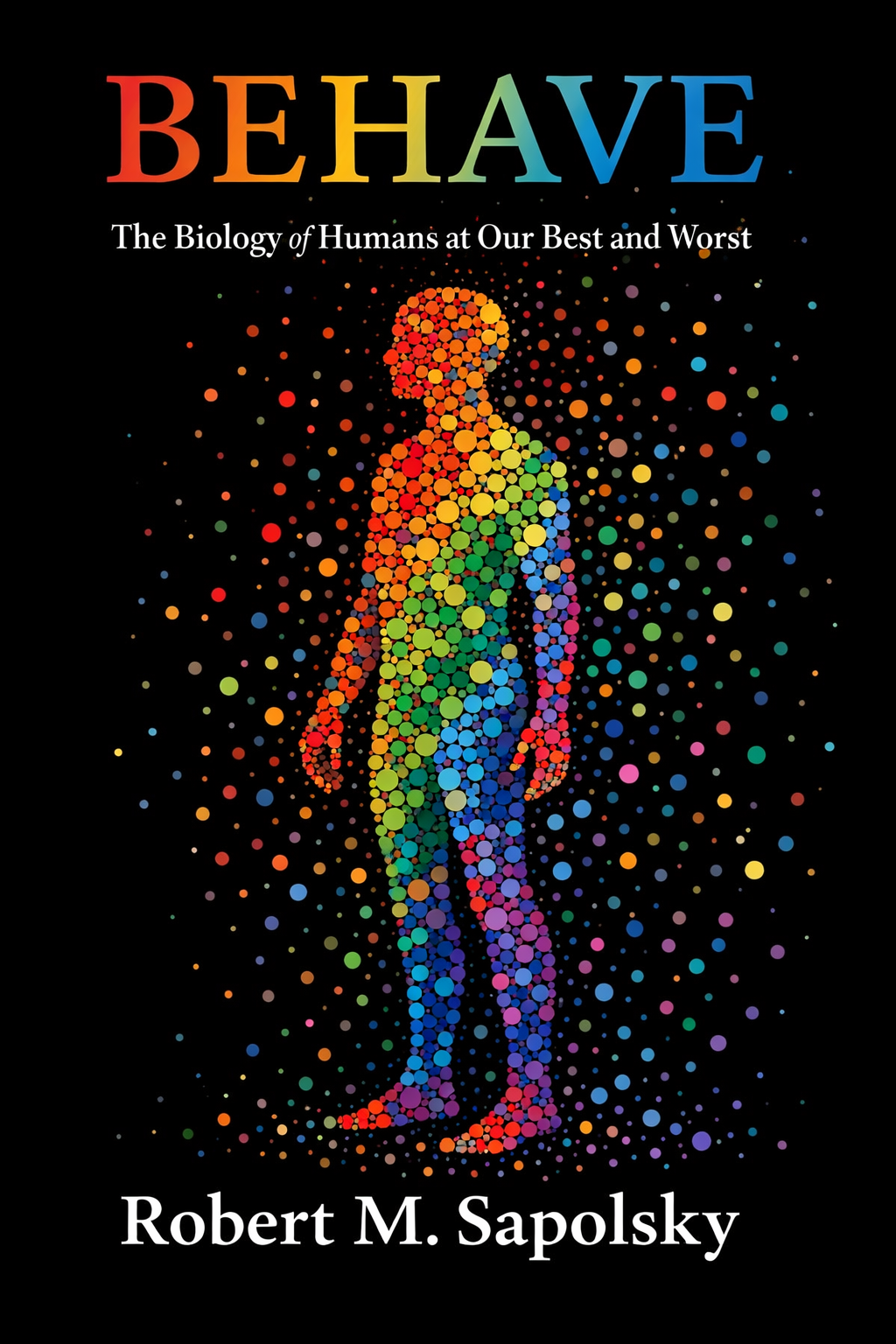
Behave: The Biology of Humans at Our Best and Worst
Chapter Summaries
What's Here for You
Prepare to embark on a profound and exhilarating journey into the very essence of human action with Robert M. Sapolsky's "Behave: The Biology of Humans at Our Best and Worst." This isn't just a book; it's an invitation to become a detective of the self, unraveling the intricate tapestry of why we do what we do. Sapolsky masterfully guides you backward in time, from the split-second neural firings that precede a decision, to the hormonal tides that sway us hours and days before, and even further, to the developmental sculpting of our brains in adolescence, infancy, and the womb. You'll discover how our genetic inheritance, the echoes of our ancestors, and the deep currents of culture and evolution have all converged to shape our most noble deeds and our most regrettable mistakes. The book promises a radical shift in perspective, dismantling myths about aggression, free will, and the simplistic drivers of behavior. You will gain an unparalleled understanding of the biological and environmental forces that influence everything from our "us vs. them" mentality and our place in hierarchies to the very nature of morality, empathy, and our capacity for both immense cruelty and profound compassion. Expect an intellectual adventure that is both rigorous and accessible, delivered with Sapolsky's signature blend of scientific depth, engaging storytelling, and a deeply humanistic, often wryly humorous, tone. By the end, you won't just understand behavior better; you'll understand yourself and the world around you with a newfound clarity and a richer appreciation for the complex, contradictory, and utterly fascinating creature that is Homo sapiens.
The Behavior
Robert M. Sapolsky, in "Behave: The Biology of Humans at Our Best and Worst," invites us to unravel the intricate tapestry of human action, beginning with a single behavior – be it reprehensible, wonderful, or lost somewhere in between. He guides us backward through time, starting with the nervous system's immediate triggers, then expanding to sensory stimuli, hormonal fluctuations over hours and days, and ultimately to the vast evolutionary pressures of millions of years that shaped our very existence. The author acknowledges the inherent difficulty in defining crucial terms like aggression, compassion, and love, not merely due to their inherent complexity but because they are battlegrounds for ideological disputes and, more significantly, because scientists across different disciplines define them through vastly different lenses. Consider aggression, for instance: animal behaviorists might distinguish between offensive and defensive forms, criminologists between impulsive and premeditated, and anthropologists between warfare and homicide. Each discipline, Sapolsky explains, tends to 'lump' or 'split' behaviors differently, creating a fragmented understanding. This definitional quagmire extends to seemingly positive behaviors, where the line between empathy and sympathy, or altruism and its pathological cousin, blurs. The most pervasive question, particularly around altruism, transcends mere semantics: does pure altruism, untainted by the expectation of reciprocity or personal gain, truly exist? Sapolsky points to organ donors to strangers as a case that unnerves us, perhaps because their detached, affectless goodness challenges our expectation that truly good acts should be warm-hearted. This leads to a profound insight: the opposite of love is not hate, but indifference, and the biology of strong emotions, both positive and negative, shares surprising similarities. Ultimately, Sapolsky posits that the motoric features of our actions—the physical act of pulling a trigger or applying a bandage—are less important than the meaning and context behind them. The same neural circuitry can activate for seemingly opposite acts, highlighting that our most anchored terms are defined by their profound context dependency. Thus, the book aims not to label behaviors as simply pro- or antisocial, good or evil, but to explore the biology of our best and worst, acknowledging the nuanced spectrum of the human condition.
One Second Before
Robert M. Sapolsky, in 'One Second Before,' invites us to peer into the intricate, lightning-fast neural dance that precedes every human action, whether noble or nefarious. He begins by anchoring us to the present moment, explaining that understanding behavior requires looking not just at the act itself, but at the cascade of neural events firing in the brain mere seconds prior. This proximal cause, Sapolsky reveals, is the brain's final common pathway, a conduit through which all the distant influences—from evolution to environment—ultimately exert their power. The author then guides us through the foundational architecture of the brain, starting with the limbic system, the ancient seat of emotion. He illustrates how structures like the amygdala, once thought to be solely about olfaction in rodents, are profoundly involved in fear and aggression, acting as an early warning system that can bypass conscious thought, like a primal alarm bell ringing before we even register the danger. This emotional core, he explains, is intimately connected to the autonomic nervous system, dictating our body’s fight-or-flight responses. But the story doesn't end with raw emotion; Sapolsky masterfully bridges this with the frontal cortex, the brain's sophisticated executive suite responsible for planning, impulse control, and making the difficult, rational choice—doing the harder thing when it's the right thing. He vividly portrays the frontal cortex as the interface between our primal urges and our considered actions, a region whose recent evolution in primates, especially humans, allows for complex social navigation and the capacity for self-discipline, though it comes at a significant metabolic cost and vulnerability. The intricate interplay between the amygdala and the frontal cortex is further illuminated by the mesolimbicmesocortical dopamine system, the brain's reward and motivation engine. This system, Sapolsky clarifies, is not just about pleasure itself, but about the anticipation of reward, the drive to pursue goals, and the crucial role of dopamine in fueling sustained effort, even for delayed gratification. He posits that our capacity for incredibly long-term planning, extending beyond our own lives, is a uniquely human feat, driven by this complex neurobiology. Ultimately, Sapolsky cautions against the seductive simplicity of neurobiological reductionism, emphasizing that understanding the brain's mechanics does not equate to excusing behavior; rather, it deepens our comprehension of the profound, interconnected biological underpinnings of our best and worst selves, urging us to see behavior not as a singular event, but as a symphony of neural processes orchestrated in the moments before.
Seconds to Minutes Before
The author, Robert M. Sapolsky, invites us to consider the intricate dance of biology and environment that precedes our actions, revealing that no brain operates in isolation. He explains that even the most spontaneous-seeming behaviors are often triggered by a cascade of sensory input, much of it operating beneath the threshold of conscious awareness. Sapolsky contrasts the universalist approach of behaviorism, which focused on operant conditioning through rewards and punishments, with ethology's emphasis on species-specific behaviors observed in natural habitats, highlighting that understanding an animal requires speaking its language. He then delves into the myriad sensory triggers, from the auditory calls of animals to the visual cues of cuteness, and even signals we cannot perceive, like pheromones or infrared vision, demonstrating how varied stimuli can prompt action. Crucially, Sapolsky illuminates the profound impact of subliminal cues, showing how fleeting images, sounds, or even odors can unconsciously shape our perceptions and decisions, as seen in studies where a flashed smile or the word 'ocean' can influence preferences. He points to the unsettling attunement of our brains to race, where even milliseconds of exposure can activate the amygdala differently, though conscious processing via the frontal cortex can modulate these responses. The author further explores how interoceptive information—our body's internal state—also influences emotions and behavior, citing the James-Lange theory and the link between pain and aggression amplification. He reveals that willpower itself can be depleted, making us more susceptible to aggression and less empathetic when our frontal cortex is fatigued, a state exacerbated by low blood sugar. Even language, through subtle priming, can shift our cooperative or competitive tendencies, and environmental cues, like litter or graffiti, can signal norms and influence subsequent behavior, a concept known as the broken window theory. Ultimately, Sapolsky underscores that in the moments leading up to our most consequential acts, we are far less rational and autonomous than we often believe, with a complex interplay of external stimuli, internal states, and even cultural conditioning shaping our responses, often before we are even aware of it.
Hours to Days Before
Robert M. Sapolsky, in 'Behave: The Biology of Humans at Our Best and Worst,' guides us back in time, exploring the hormonal influences that shape our actions in the hours and days preceding a behavior. He begins by dismantling the pervasive myth of testosterone as the primary driver of aggression, revealing through subtraction and replacement experiments that while it plays a role, aggression is far less dependent on testosterone levels than commonly assumed, with social learning proving far more influential. Instead, testosterone amplifies existing tendencies, boosting confidence, optimism, and risk-taking, but importantly, its effects are profoundly context-dependent, shaping behavior based on social challenges and pre-existing inclinations, rather than dictating it outright. The narrative then turns to oxytocin and vasopressin, often lauded as 'love hormones,' which facilitate bonding and prosociality, but with a crucial caveat: their positive effects are largely confined to one's 'in-group,' potentially fostering ethnocentrism and xenophobia towards 'out-groups.' Sapolsky illustrates this with the striking example of how oxytocin can make individuals more generous towards teammates but more aggressive towards rivals, a stark reminder that these neuropeptides enhance social competence and in-group loyalty rather than universal benevolence. He then delves into the complex endocrinology of female aggression, highlighting that maternal aggression is adaptive and facilitated by hormones, but also that females engage in other forms of strategic aggression, often influenced by androgens, with intricate neuroendocrine mechanisms ensuring these effects don't disrupt reproduction. The chapter further debunks the notion of PMS as a primary cause of female aggression, noting that while mood shifts are biologically real, their association with significant aggression is minimal outside of rare, extreme cases. Finally, Sapolsky examines the pervasive impact of sustained stress, which overloads the amygdala, impairs executive functions of the frontal cortex, and diminishes empathy, leading to increased reactivity, poor judgment, and reduced prosociality. The author emphasizes that sustained stress, unlike acute stress, is detrimental, often leading to impulsive aggression or selfishness, though he notes the 'tend and befriend' response in females as a counterpoint to the male 'fight or flight' typical response. Ultimately, Sapolsky weaves these hormonal and stress-related threads together, demonstrating that hormones and stress do not command behavior but rather sensitize us to social triggers, amplifying our pre-existing tendencies, a crucial insight that sets the stage for understanding the deeper origins of our actions.
Days to Months Before
Robert M. Sapolsky, in his exploration of human behavior's deep roots, guides us back from the immediate seconds and minutes before an action to the crucial days and months that sculpt our neural landscape. He reveals how the brain, far from being static, possesses a remarkable plasticity, undergoing profound structural and functional changes over time. We begin with the synapse, the very junction where memories are forged, and the elegant, albeit initially debated, concept proposed by Donald Hebb: that memories aren't born from new connections, but from the strengthening of existing ones. This strengthening, Sapolsky explains, is akin to a flickering lightbulb finally igniting, a process amplified by glutamate and the nonlinear activation of NMDA receptors, a synaptic 'aha!' moment that can lead to long-term potentiation (LTP). LTP, a prolonged increase in synaptic excitability, is not merely a fleeting spark; it involves a cascade of cellular events, including the insertion of more glutamate receptors and retrograde signaling that enhances both presynaptic and postsynaptic communication, essentially making neurons 'listen' more attentively and 'shout' more loudly. But the brain’s story is one of balance, and just as synapses can be strengthened, they can also be weakened through long-term depression (LTD), not as a simple opposite of forgetting, but as a sculptor that sharpens neural circuits by pruning away the extraneous. Beyond these synaptic shifts, Sapolsky unveils a more dramatic form of plasticity: the very architecture of our brain can change. Experience, whether it's the richness of an enriched environment or the profound impact of hormones like estrogen and glucocorticoids, can lead to the sprouting of new dendritic spines and branches, literally increasing the brain's capacity to connect and process information. Conversely, chronic stress and elevated glucocorticoids can lead to dendritic retraction and synapse loss, particularly in the prefrontal cortex, explaining impairments in attention and emotional regulation. Even the long-discarded idea of adult neurogenesis, the birth of new neurons in the adult brain, has been resurrected, demonstrating that the hippocampus, crucial for integrating new information and distinguishing subtle differences, is a site of ongoing neuronal renewal, influenced by factors like exercise and learning. This journey through days and months before an action highlights that our brains are not fixed entities but dynamic, ever-changing organs, shaped by our experiences, our stresses, and our very environment, a profound realization that offers both a cautionary note about the impact of adversity and a powerful message of hope for transformation.
Adolescence; or, Dude, Where’s My Frontal Cortex?
Robert M. Sapolsky, in his exploration of human behavior, invites us to consider the tumultuous, yet pivotal, stage of adolescence, a period defined not by a finished product, but by a brain still under construction. The central tension here is the stark contrast between the surging power of adolescent limbic and endocrine systems and the still-developing frontal cortex, a delay that explains the era's characteristic blend of impulsivity and brilliance. Sapolsky reveals that the brain, rather than being set in stone early on, undergoes a crucial process of 'neuronal Darwinism' where overproduced connections are pruned, leading to a more efficient, not necessarily larger, brain by the mid-twenties. This pruning, particularly in the frontal cortex, is essential for developing the executive functions, emotional regulation, and nuanced social cognition that characterize adulthood. He illustrates this with the example of risk assessment, where adolescents, despite possessing reasoning skills, are far less adept at incorporating negative feedback, leading to a higher propensity for dangerous behaviors, akin to explorers taking one step too far into the gloom of California Caverns. Furthermore, the adolescent brain's heightened sensitivity to dopamine and peer influence, amplified by a frantic need to belong, underscores their vulnerability and their capacity for both profound connection and devastating mistakes. This period, while marked by heightened emotional intensity and a craving for novelty that drives exploration and creativity, also explains the peak in adolescent violence, not due to testosterone surges alone, but due to a fundamental deficit in self-regulation and judgment. Ultimately, Sapolsky posits that this delayed maturation isn't an evolutionary oversight but a deliberate design, allowing experience to sculpt the frontal cortex into the sophisticated social processing unit essential for our species, a delicate balance between genetic programming and life's crucible. The resolution lies in understanding that this developmental gap, while challenging, is precisely what equips us for the complex social navigation required of adult life.
Back to the Crib, Back to the Womb
Robert M. Sapolsky, in 'Back to the Crib, Back to the Womb,' invites us on a profound journey into the very foundations of human behavior, tracing its roots from the earliest stages of development. He explains that our adult actions, whether noble or regrettable, are intricately shaped by a complex interplay of biological and environmental factors beginning long before birth. Sapolsky guides us through the fascinating neurobiology of brain development, detailing how myelination, the insulation of neural pathways, progresses in predictable stages, enabling ever more complex communication between brain regions, and how this maturational timeline is influenced by experience. We then delve into the landmark cognitive stages described by Jean Piaget, from sensorimotor awareness to the development of object permanence and the crucial emergence of Theory of Mind, the ability to understand that others have different thoughts and beliefs. This capacity, Sapolsky reveals, is mediated by specific brain regions and can be profoundly impacted by social and emotional experiences, as vividly illustrated by a child’s fluctuating grasp of social cues. The chapter explores the burgeoning capacity for empathy, showing how it evolves from a raw, egocentric feeling to a more nuanced understanding of another’s emotional state, drawing parallels between the activation of brain regions like the anterior cingulate cortex and the amygdala. Sapolsky then navigates the complex landscape of moral development, drawing on Lawrence Kohlberg's stages of moral reasoning, from a pre-conventional focus on punishment and reward to conventional concerns about social approval and law, and finally to post-conventional principles of justice and conscience. He underscores that while reasoning plays a role, the development of empathy and a sense of justice are crucial precursors to wrestling with right and wrong, though he cautions that moral judgment doesn't always predict moral action, as demonstrated by the famous marshmallow test, which highlights the critical role of delayed gratification and frontal cortex development in self-regulation. The narrative then shifts to the foundational importance of early life experiences, particularly maternal care, underscoring Harry Harlow's pivotal experiments with monkeys that revealed the profound need for comfort and affection beyond mere sustenance. Sapolsky powerfully argues that biology mediates even seemingly psychological links, such as the impact of cold parenting on adult self-esteem, emphasizing that childhood adversity, whether through malnutrition or neglect, leaves lasting biological imprints on the developing brain, particularly affecting stress physiology, the hippocampus, and the frontal cortex. He introduces the concept of epigenetics, demonstrating how early experiences can alter gene expression, permanently changing how genes related to stress response and behavior are regulated. This biological embedding of experience, from prenatal hormonal influences to the effects of culture and parenting styles, profoundly shapes our adult selves, yet Sapolsky concludes with a note of profound hope: resilience is possible, bolstered by protective factors and the sheer number of positive experiences that can buffer the impact of adversity, reminding us that while childhood profoundly influences our trajectory, it does not rigidly dictate our destiny.
Back to When You Were Just a Fertilized Egg
Robert M. Sapolsky, in his chapter 'Back to When You Were Just a Fertilized Egg,' invites us on a profound journey into the very genesis of behavior, unraveling the intricate dance between our genes and the environment that shapes them. He begins by demystifying the role of genes, cautioning against both the reductive trap of genetic determinism and the dismissal of genetics altogether. Sapolsky reveals that genes, far from being rigid blueprints, are more like versatile actors in a play, their scripts (proteins) only activated and interpreted through a complex network of environmental cues – from the intracellular milieu to the vast external world. He illustrates this with the astonishing revelation that 95 percent of our DNA is non-coding, acting as the intricate control panel, the 'on-off switches,' regulated by transcription factors influenced by everything from a neuron's energy levels to the smell of a baby. This leads to a core insight: genes don't dictate; they respond. The narrative then navigates the complexities of gene regulation, introducing epigenetics as a mechanism by which environmental experiences can leave lasting marks, even across generations, echoing Lamarckian inheritance in a scientifically validated way. Sapolsky then dissects the modular nature of genes, explaining how alternative splicing allows a single gene to produce multiple proteins, shattering the 'one gene, one protein' dogma. He further challenges the notion of immutable inheritance by introducing transposable genetic elements, or 'jumping genes,' which can shuffle DNA sequences, making even our neurons a mosaic of genetic information. The concept of chance, driven by Brownian motion, further underscores that genetic destiny is not fixed but fluid. As Sapolsky transitions to behavior genetics, he meticulously examines twin and adoption studies, highlighting their contributions and inherent limitations, particularly the overestimation of genetic influence due to confounding factors like shared environments and prenatal effects. He clarifies the crucial distinction between a trait being 'inherited' and its 'heritability,' emphasizing that heritability scores are context-dependent and can plummet when studied across diverse environments, much like humans themselves inhabit a vast spectrum of habitats. The chapter powerfully demonstrates gene-environment interactions, using examples like phenylketonuria and the 'warrior gene' variant of MAOA, showing that a gene's effect is meaningless in isolation, always contingent on environmental factors like diet or childhood trauma. He illustrates this with vivid examples: the MAOA variant's impact on aggression is amplified only in the context of severe childhood abuse, and the 7R variant of the DRD4 dopamine receptor influences generosity differently based on parental attachment. Ultimately, Sapolsky concludes that genes don't determine behavior; they provide context-dependent tendencies, propensities, and vulnerabilities, woven into the intricate tapestry of our lives. The tension between genetic predisposition and environmental influence resolves into a profound understanding: our biology is not a sentence, but a conversation, constantly shaped by the world around us and the choices we make within it.
Centuries to Millennia Before
Robert Sapolsky, in 'Behave,' invites us on a profound journey through the deep currents of human culture, revealing how our biology and environment have coevolved over millennia, shaping our most fundamental behaviors. He begins by challenging assumptions, like the persistent notion of innate male superiority in math, demonstrating with striking data that gender equality in a society directly correlates with smaller, or even reversed, gender gaps in math performance. This immediately anchors us in a core insight: culture is not merely a backdrop but an active force, leaving indelible marks on our societies, from ancient succession disputes to modern governance, and even influencing our personal choices across vast stretches of time. Sapolsky then broadens our perspective by exploring the very definition of culture, extending it beyond human-centric views to acknowledge tool use and traditions in chimpanzees, before ultimately focusing on a pragmatic definition: 'how we do and think about things, transmitted by non-genetic means.' He illuminates the staggering diversity of human experience, contrasting life expectancies, literacy rates, and violence levels across nations, and then delves into the fundamental dichotomy of collectivist versus individualist cultures. This contrast, he reveals, isn't just about social organization but deeply influences our cognition, our motivation, and even our neural pathways; for instance, individualist cultures often activate the medial prefrontal cortex more intensely when people view themselves, while collectivist cultures might show greater activation when considering others' perspectives. The narrative then weaves through the impact of ecology and mode of production, showing how rice cultivation in East Asia fostered collectivism, while wheat farming encouraged individualism, a striking example of how our environment shapes our very minds. Sapolsky further explores how pastoralist societies, shaped by the constant threat of theft, breed cultures of honor and militarism, while the American South, with its unique historical context, exemplifies this ethos of retributive justice and pride. The chapter also tackles the stark realities of stratified versus egalitarian societies, illustrating how inequality, independent of absolute poverty, correlates with diminished social capital, poorer health outcomes, and increased societal violence, painting a picture where 'marked inequality makes people crummier to one another.' He then shifts to the impact of population density and heterogeneity, showing how urbanization fosters anonymous interactions and the rise of moralistic deities, while diversity, depending on its spatial arrangement, can either foster intergroup conflict or, with clear boundaries, co-existence. Finally, Sapolsky grapples with the Hobbes versus Rousseau debate, examining archaeological and anthropological evidence to understand the prevalence and nature of violence throughout human history, suggesting that while our hunter-gatherer ancestors were not inherently peaceful 'noble savages,' the widespread, escalated warfare we associate with civilization may be a more recent, and perhaps culturally driven, phenomenon, emerging significantly with the advent of agriculture and sedentary living. The chapter concludes by emphasizing that while genetics plays a role, it is the malleability of the young frontal cortex, sculpted by culture, that ultimately explains how we internalize complex, context-specific rules, demonstrating that our biology and culture are locked in a perpetual, fascinating dance of coevolution.
The Evolution of Behavior
Robert M. Sapolsky, in his exploration of 'The Evolution of Behavior,' masterfully dismantles common misconceptions, revealing evolution not as survival of the fittest, but as a relentless drive for reproduction, a concept starkly illustrated by the tragic paradox of antagonistic pleiotropy where traits enhancing fertility in youth can shorten life, much like the salmon's epic, fatal journey to spawn. He clarifies that evolution acts on the present, not on preadaptations, and that complexity is not an inherent goal, as bacteria can still decimate us, underscoring that evolution is a scientific theory, robustly supported by fossil, molecular, and geographic evidence, from shared genes with apes to vestigial leg bones in whales. Sapolsky then unveils the two primary sculptors of behavior: sexual selection, driving traits that attract mates, and natural selection, favoring traits that enhance gene propagation through other means, often in a delicate, sometimes opposing balance, as seen in the peacock's dazzling, costly plumage or the wild sheep's horns. He debunks the outdated notion of 'group selection,' the idea that animals act for the good of the species, exemplified by the debunked wildebeest sacrifice myth, and instead champions individual selection, where behavior is driven by the imperative to maximize the number of gene copies passed on, a principle powerfully demonstrated by the brutal reality of competitive infanticide in langur monkeys, a behavior that makes evolutionary sense only when viewed through the lens of gene-based individual advantage. However, the narrative expands beyond pure self-interest with the introduction of kin selection, explaining cooperation among relatives based on shared genes, a concept evident from our own complex kinship terms and nepotism to the sperm aggregation in deer mice, and further refined by the understanding of reciprocal altruism, where unrelated individuals cooperate with the expectation of mutual benefit, a dynamic akin to the game theory of Tit-for-Tat, which, though seemingly simple, proved remarkably effective in Axelrod's simulations for fostering cooperation in a world prone to defection. Sapolsky weaves these foundational concepts—individual selection, kin selection, and reciprocal altruism—into a four-legged chair, acknowledging the resurrected, albeit rare, role of group selection, particularly in human societies, where intergroup conflict can paradoxically drive intragroup cooperation. He then turns to humanity, a species caught between pair-bonding and tournament systems, exhibiting traits of both, and grappling with the profound implications of kin selection, often modulated by cognitive recognition and the powerful, sometimes irrational, force of pseudokinship, where we can feel related to those who are not, leading to acts of profound altruism or, conversely, the dehumanization of outgroups through pseudospeciation. The chapter concludes by navigating the complexities of adaptationism, punctuated equilibrium, and the inherent messiness of evolution, a tinkerer rather than an inventor, ultimately reinforcing that understanding behavior requires an intricate, multilevel approach, acknowledging that while genes play a role, it is the dynamic interplay of context, interaction, and potential that truly defines our actions, leaving us with the profound realization that the meaning and context of behavior are often far more complex and revealing than the mere mechanics.
Us Versus Them
Robert M. Sapolsky, in his exploration of "Us Versus Them," unveils the deep-seated biological and psychological roots of our tendency to create ingroups and outgroups, a phenomenon observed with startling speed and automaticity in the human brain. He illustrates this through the rapid activation of the amygdala when encountering faces of different races and the revealing patterns of the Implicit Association Test, which uncovers unconscious biases even when we believe ourselves to be open-minded. This "UsTheming," as Sapolsky terms it, is further amplified by hormones like oxytocin, which promotes trust and cooperation within our own group while potentially fostering aggression towards outsiders. The author highlights that this divisive mindset isn't unique to humans; it's mirrored in other primates who exhibit territorial aggression and negative associations with neighboring groups, demonstrating a primal, almost instinctual, categorization. Even minimal or arbitrary groupings, like those based on a coin toss or a shared arbitrary marker such as a clothing item, can trigger ingroup favoritism and parochial biases, akin to psychological greenbeard effects. Sapolsky reveals how these arbitrary markers can become imbued with profound meaning, transforming into symbols that people will defend, even die for, as seen with national flags. The chapter delves into the developmental trajectory of this bias, showing how children as young as three to four years old begin to form Us-Them dichotomies based on race and gender, often without explicit parental teaching, but rather through environmental cues and linguistic structures. This ingrained tendency is not necessarily malicious but a consequence of how our brains are wired to process social information. The author then shifts to the characteristics of these groups, noting that we tend to view our ingroup with inflated merits—more correct, moral, and worthy—while perceiving outgroups as threatening, angry, disgusting, simple, and homogeneous. This perception is often a post hoc rationalization for underlying feelings and intuitions, where our conscious thoughts scramble to justify automatic emotional responses. Sapolsky cautions against the simplistic view of race as the ultimate Us-Them divider, demonstrating how other categories like gender, age, or even occupation can readily supplant racial distinctions in shaping our perceptions. He introduces the stereotype content model, which categorizes groups along dimensions of warmth and competence, leading to distinct emotional responses like pride, envy, pity, and disgust. The chapter concludes by emphasizing that while Us-Them dichotomizing is an inescapable aspect of the human condition, akin to stress in our lives, its intensity can be modulated. Strategies such as individuation, perspective-taking, emphasizing shared goals, and fostering equal-status contact can mitigate its negative effects, transforming potentially hostile divisions into opportunities for connection and understanding, reminding us that even in conflict, shared humanity can emerge, as seen in the poignant camaraderie between opposing soldiers in World War I.
Hierarchy, Obedience, and Resistance
Robert M. Sapolsky, in his exploration of human behavior, delves into the intricate nature of hierarchies, revealing how they permeate both the animal kingdom and human societies, yet with distinctly human nuances. He explains that while other species form stable, often linear, dominance structures primarily for individualistic benefits, humans introduce a layer of complexity by occasionally choosing their leaders and by conceptualizing a 'common good' that leaders may strive to uphold. Sapolsky highlights that human hierarchies are not monolithic; we navigate multiple, overlapping rank systems, leading to a sophisticated, often unconscious, justification of our own positions and a keen, almost instantaneous ability to detect status differences, as shown by infants' reactions to interacting shapes. A crucial insight is that the brain, particularly the prefrontal cortex, has coevolved with social complexity, with larger group sizes correlating with larger brain regions involved in social cognition, underscoring that maintaining high rank often depends more on social intelligence than brute force. Furthermore, Sapolsky uncovers the biological underpinnings of rank, noting that while testosterone levels are not always indicative of dominance, stress hormones like glucocorticoids are often chronically elevated in subordinates, mirroring patterns seen in human depression, a stark reminder of the physiological cost of social subordination. He then pivots to uniquely human phenomena: the invention of socioeconomic status, which creates a potent and pervasive health gradient far exceeding anything seen in other species, and the complex, often implicit, factors influencing our choice of leaders, from perceived competence and attractiveness to the subtle use of collective pronouns. The chapter further dissects political orientations, revealing their internal consistency and deep roots in cognitive and affective styles, suggesting that while liberals may be more adept at integrative complexity, conservatives often exhibit a stronger aversion to ambiguity and a greater reliance on disgust as a moral compass, with biological correlates like amygdala size and insular cortex sensitivity playing a role. Finally, Sapolsky examines the powerful forces of obedience and conformity, demonstrating through classic studies like Milgram's and Zimbardo's that situational pressures can compel ordinary individuals to perform appalling acts, though he also emphasizes the undeniable presence of resistance, rooted in personality, the nature of authority, the context of the demand, and the individuated victim, reminding us that even in the worst 'barrels,' 'apples' can choose not to spoil, and that heroism, like resistance, is often more accessible than we imagine.
Morality and Doing the Right Thing, Once You’ve Figured Out What That Is
Robert M. Sapolsky, in his profound exploration of human behavior, delves into the intricate landscape of morality, questioning whether our ethical compass is guided by cool reason or hot intuition. He illuminates how, while reasoning, anchored in brain regions like the dlPFC, allows for complex legal systems and the consideration of intent, it is often our more primal, emotional centers—the amygdala, vmPFC, and insula—that drive our instantaneous moral judgments. Sapolsky reveals a fascinating duality: our capacity for moral reasoning, exemplified by the development stages described by Kohlberg, is deeply intertwined with our intuitive, emotional responses. This interplay is evident even in infants and other primates, who display nascent senses of fairness and aversion to inequality, suggesting that the roots of morality are far older than our cultural institutions. The chapter navigates the tension between these two forces, demonstrating through scenarios like the trolley problem how reasoning might suggest a utilitarian sacrifice (pulling a lever to save five by killing one), while intuition recoils from the direct, visceral act of pushing someone to their death. It's a crucial insight: the context—whether the harm is intentional, distant, or immediate—profoundly shifts our moral calculus, engaging different neural circuits and leading to dramatically different decisions. Sapolsky further unravels the complexities of cultural variation, showing how societies differ in their emphasis on cooperation, honor, and the enforcement of norms through shame versus guilt, highlighting that what is considered sacred or reprehensible can be fluid. He underscores that our moral judgments are not static pronouncements but are dynamically shaped by our environment, our identities, and even our physiological state, like stress or hunger. Ultimately, the author proposes a resolution not in choosing between reason and intuition, but in their synergistic integration; our most robust moral decision-making, especially for long-term, strategic outcomes, emerges when both our cognitive deliberation and our gut feelings work in concert, akin to running both thought experiments and somatic feeling experiments. The journey from the 'Me versus Us' challenge of resisting selfishness, where rapid intuition often serves us well, to the 'Us versus Them' tragedy of conflicting moral worldviews, where deep reasoning and perspective-taking are paramount, reveals the layered, often contradictory, yet profoundly human nature of morality, suggesting that true ethical wisdom lies in recognizing these complexities and fostering an environment where both our ingrained instincts and our reasoned judgments can contribute to our best selves.
Feeling Someone’s Pain, Understanding Someone’s Pain, Alleviating Someone’s Pain
Robert M. Sapolsky, in his exploration of human behavior, delves into the intricate tapestry of empathy, a remarkable state that allows us to resonate with another's distress. He begins by untangling the nuanced language surrounding this phenomenon—empathy, sympathy, compassion, and their varied forms, from the primal sensorimotor contagion seen in a baby crying when another cries, to the more complex emotional contagion that can sweep through a crowd. Sapolsky highlights that true empathy involves not just feeling *for* someone, but understanding *why* they are in pain, a cognitive layer distinct from mere pity or sympathy. He observes rudiments of these empathic states in other species, noting how mice can learn fear vicariously and how primates offer consolation to victims of conflict, suggesting these behaviors are not always purely altruistic but may serve evolutionary self-interest, a notion echoed in the phrase 'scratch an altruist and a hypocrite bleeds.' As we develop, our capacity for empathy matures, moving from physical pain to emotional pain, and from feeling sorry for an individual to understanding broader categories of suffering, with the neurobiology shifting from basic pain circuitry to more complex couplings of emotional and cognitive brain regions. The anterior cingulate cortex (ACC), initially seeming self-oriented, plays a crucial role, acting as an alarm for unexpected pain and mediating our response to both physical and social distress, even in the context of compassion. However, Sapolsky cautions that an empathic state does not automatically translate into helpful action; the critical tension lies between *feeling* and *doing*. He illustrates this with the concept of 'empathy fatigue,' where intense vicarious pain can lead to a focus on alleviating one's own distress rather than the sufferer's, and the danger of empathy becoming an end in itself, a 'dangerous sense of completion.' The chapter then pivots to the cognitive side, exploring how brain regions like the prefrontal cortex (PFC) and Theory of Mind networks are engaged when we grapple with the causes and intentions behind suffering, a process that requires more cognitive work when dealing with 'Thems'—those outside our immediate social group. This is particularly evident in the stark findings that wealthier individuals, on average, exhibit less empathy and compassion, a pattern potentially explained by system justification and a tendency to view success as purely meritocratic. The discussion on mirror neurons, initially hailed as the key to understanding others' actions and intentions, is presented with a healthy dose of skepticism, with Sapolsky concluding that while they may play a role in motor learning and basic imitation, their direct causal link to complex empathy and consciousness remains largely speculative. Ultimately, Sapolsky argues that the most effective and genuinely selfless compassionate acts often arise not from overwhelming emotional resonance, but from a detached, almost automatic sense of kindness, akin to the Buddhist concept of compassion. This detachment, he suggests, allows us to move beyond the paralyzing intensity of vicarious pain and act effectively, not by suppressing emotion for cold calculation, but by integrating it into an implicit, automatic imperative to help, much like learning to ride a bike. The core dilemma is bridging the vast gap between empathic feeling and effective, selfless action, acknowledging that while our instincts often pull us toward readily identifiable suffering, true compassion requires extending our reach to those beyond our immediate circle, even when it demands significant cognitive effort and a departure from our ingrained self-interest.
Metaphors We Kill By
Robert M. Sapolsky, in his exploration of human behavior, unveils a profound truth: our capacity for symbolic thought, particularly metaphor, is both a cornerstone of our evolution and a source of our most destructive tendencies. He begins by illuminating how deeply ingrained this symbolic thinking is, tracing its roots from religious prohibitions against graven images to the explosive reactions sparked by Danish cartoons of Muhammad, the tragic defense of regimental flags at Gettysburg, and even the fatalistic singing of a song like 'My Way.' These extreme examples, Sapolsky explains, demonstrate a core human vulnerability: the blurring of lines between the literal and the metaphorical, where symbols, flags, clothing, and songs can ignite life-or-death conflicts. He delves into the neurobiology, revealing how our brains, relatively new to complex symbolism, often 'wing it,' exapting ancient neural circuits like the insula and anterior cingulate cortex to process abstract concepts such as moral disgust and empathy. This neural reuse, while allowing for profound emotional experiences like feeling another's pain or recoiling from a morally reprehensible act as if it were physically toxic, also makes us susceptible to manipulation. For instance, the insula's activation is a powerful tool for propagandists, who, by dehumanizing others through metaphors like 'cockroaches' in the Rwandan genocide, can trigger visceral revulsion and incite unimaginable violence. Yet, Sapolsky offers a glimmer of hope, highlighting how this same confusion between the literal and the metaphorical, when harnessed with respect for 'sacred values,' can be a force for peace. He illustrates this with examples of leaders like Nelson Mandela, Yitzhak Rabin, and King Hussein, whose symbolic gestures—learning a captor's language, attending a funeral, or offering a handshake—recognized the 'other's' humanity and facilitated profound reconciliation. Ultimately, Sapolsky argues, our brains' unique ability to imbue symbols with life-or-death significance, while perilous, also holds the key to understanding and bridging our deepest divides, reminding us that the way we interpret symbols shapes our reality and our actions.
Biology, the Criminal Justice System, and (Oh, Why Not?) Free Will*
Robert M. Sapolsky, with the clarity of a seasoned guide, invites us to question the very foundations of our understanding of human behavior, particularly as it intersects with the criminal justice system. He begins by challenging the reader to consider the provocative idea that our current legal framework, built on the notion of free will, is fundamentally flawed, citing the Innocence Project's exonerations as a stark reminder of its fallibility. Sapolsky bypasses the more common calls for reform, instead delving into the profound philosophical and biological underpinnings of responsibility. He presents three perspectives on behavior: complete free will, no free will, and a space in between. While few would argue for complete free will, Sapolsky dismantles the popular notion of 'mitigated free will'—the idea that a conscious homunculus, separate from biology, makes decisions, only occasionally overridden by the brain's chemistry or structure. He illustrates this with the historical case of Daniel M'Naghten, whose severe mental illness led to a murder, and the subsequent legal development of the insanity defense, highlighting how biology can indeed overwhelm rational control. The author then dissects various legal debates, from the culpability of adolescents due to their developing brains to the impact of brain damage, revealing how our legal system already grapples with biological constraints, often drawing arbitrary lines in the sand. Sapolsky emphasizes that the complexity of human behavior arises from a multifactorial biological tapestry, where genes, environment, and countless other factors intertwine, making prediction at an individual level incredibly difficult, unlike the predictable outcome of a fractured bone. He critiques the dualistic view that assigns innate abilities to biology and effort or impulse control to a disembodied will, arguing that even 'hard work' and 'resisting impulse' are products of the same intricate biological machinery. The author contends that our intuitive belief in free will stems not from its actual existence, but from our profound ignorance of the complex biological forces that shape us, forces that science is only beginning to unravel, much like our ancestors’ misunderstanding of epilepsy as demonic possession. He posits that as our scientific understanding grows, the space for a meaningful, independent free will shrinks, forcing us to adopt a more humble, less punitive approach to justice. Sapolsky concludes that while the impulse to punish is deeply ingrained, stemming from emotional centers in the brain, it must be re-evaluated. True progress, he suggests, lies in shifting our mindset from assigning blame and seeking retribution to understanding and managing dangerous individuals, much like we treat a car with faulty brakes—focusing on functional repair and public safety rather than notions of inherent evil or deserved suffering. This profound shift, he argues, requires a deep humility, recognizing that future generations will view our current understanding with the same bewomination we reserve for ancient practices like bloodletting, and that our current legal system, like an archaeological site, should be approached with caution, preserving much for future, more enlightened discovery.
War and Peace
Robert M. Sapolsky, in the concluding chapter of 'Behave,' invites us to consider the profound, and often surprising, trajectory of human behavior. He begins by acknowledging the biological predispositions that might lead us toward pessimism—the amygdala's instant reactions, the developmental impacts of poverty, oxytocin's tribalism, and the complex interplay of genes and environment. Yet, Sapolsky pivots, offering a powerful counter-narrative grounded in historical evidence, arguing that despite our worst impulses, humanity has, in many ways, become better. He highlights the dramatic decline of practices like slavery and child labor, the astonishing reduction in homicide rates globally, and the invention of concepts like human rights and international aid, drawing heavily on Steven Pinker's work to illustrate this shift. However, he doesn't shy away from the complexities, noting that progress is uneven and that new forms of violence, amplified by technology, present ongoing challenges. Sapolsky then explores traditional and novel routes toward fostering peace and cooperation, examining the roles of migration, trade, cultural diffusion, and even religion, acknowledging its dual capacity for both great good and profound harm. He delves into the mechanics of intergroup contact, the power of reconciliation through mechanisms like Truth and Reconciliation Commissions, and the often-overlooked importance of individual actions, citing examples from Zenji Abe's apology for Pearl Harbor to Hugh Thompson Jr.'s intervention at My Lai, and the slow moral evolution of John Newton. Crucially, Sapolsky emphasizes that our irrationalities—our biases, our aversion to killing, our susceptibility to sacred values—are not insurmountable barriers but rather aspects of our nature that, when understood, can be navigated. He concludes by showcasing extraordinary instances of collective action, like the Christmas Truce of 1914 and the 'Live and Let Live' phenomenon, demonstrating that even in the crucible of war, soldiers found ways to connect, cooperate, and recognize shared humanity, suggesting that if such profound shifts are possible in the most extreme circumstances, then profound change is indeed within our reach, offering a hopeful, albeit complex, vision for our collective future.
Conclusion
Robert M. Sapolsky's 'Behave' masterfully deconstructs the intricate, multi-layered origins of human action, urging us to move beyond simplistic explanations and embrace a profoundly complex, yet ultimately hopeful, understanding of ourselves. The core takeaway is that no behavior exists in a vacuum; each act, from aggression to altruism, is the culmination of an astonishingly intricate interplay of immediate neural triggers, hormonal fluctuations, developmental experiences, genetic predispositions, and deep evolutionary pressures. Sapolsky meticulously dismantles the myth of pure free will, revealing our perceived autonomy as an illusion shaped by a vast, often unconscious, web of biological and environmental influences. This understanding fosters a profound emotional lesson: one of humility and compassion. By recognizing the biological underpinnings of even our worst behaviors, we are encouraged to extend empathy rather than judgment, acknowledging that 'they' are, in many ways, 'us' shaped by different circumstances. The distinction between 'hot-blooded' and 'cold-blooded' actions, and the realization that indifference, not necessarily animosity, is the true antithesis of strong emotion, highlight the significance of engagement and connection. Practically, 'Behave' equips us with a potent lens for critical analysis. We learn to question the oversimplification of behavior through neurobiology alone, to appreciate the finite nature of willpower, and to understand how external cues and social norms can subtly but powerfully influence our actions. The book underscores the importance of context, whether it's the environment shaping gene expression, early adversity leaving a biological footprint, or cultural norms dictating perception. It offers a nuanced view of hormones, emphasizing their facilitative rather than deterministic roles, and provides a sophisticated understanding of adolescent development, group dynamics ('Us vs. Them'), and the complex interplay of reasoning and intuition in moral decision-making. Ultimately, Sapolsky’s work, while acknowledging our inherent biases and evolutionary legacies, offers a compelling argument for optimism. The historical retreat of violence and the capacity for prosocial behavior, even in the face of biological predispositions, suggest that through conscious effort, societal structures, and a deeper understanding of our own biology, we can indeed strive towards our best selves, mitigating the worst and fostering a more humane future.
Key Takeaways
Understanding any human behavior requires a multi-temporal analysis, tracing back from immediate neural triggers to deep evolutionary pressures.
The definitions of key human behaviors (e.g., aggression, altruism) are fragmented and often contentious due to disciplinary differences and ideological battles, making precise categorization challenging.
The distinction between 'hot-blooded' emotional actions and 'cold-blooded' affectless actions significantly influences our perception and judgment of their morality, even when the outcomes are similar.
The concept of pure altruism is questioned, suggesting that even seemingly selfless acts may be influenced by subtle expectations of reciprocity or social validation.
The opposite of strong emotions like love and hate is not necessarily their direct counterpart, but rather indifference, highlighting the significance of engagement over apathy.
The meaning and context of an action are paramount, often more so than the physical manifestation, as evidenced by similar neural activation for seemingly disparate behaviors performed in different contexts.
Understand behavior by examining the immediate neural events (the 'one second before') as the brain's final common pathway for all influences.
Recognize the amygdala's dual role in processing fear and aggression, acting as an ancient alarm system that can bypass conscious thought.
Appreciate the frontal cortex's function in enabling complex social behavior, executive control, and the capacity for self-discipline by making the harder, right choice.
Differentiate between the brain's reward system (dopamine) as being primarily about the anticipation and pursuit of reward, not just the pleasure of receiving it.
Resist the temptation to oversimplify complex behaviors through neurobiology alone, as understanding the brain's mechanisms does not negate personal responsibility or the need for ethical consideration.
Our actions are rarely initiated in a vacuum, but are instead the product of a complex interplay of sensory stimuli, many of which operate below conscious awareness, demonstrating that our perceived autonomy is often an illusion.
The contrast between behaviorism's universal stimulus-response model and ethology's focus on species-specific, environmentally influenced behaviors highlights that understanding behavior requires appreciating both underlying biological predispositions and unique ecological pressures.
Arbitrary markers and minimal group affiliations can quickly become powerful symbols of ingroup identity, leading to biased perceptions and behaviors toward outgroups.
Subliminal sensory cues, from visual flashes to olfactory signals, profoundly influence our perceptions, emotions, and decisions, revealing a hidden layer of environmental manipulation that shapes our immediate responses.
Internal bodily states, or interoceptive information, are not merely passive signals but actively shape our emotional experience and behavioral tendencies, suggesting that our physical well-being is inextricably linked to our psychological state.
Willpower and self-control are finite resources influenced by physiological factors like blood glucose levels and cognitive load, meaning that cognitive fatigue can lead to increased aggression and decreased empathy.
Environmental cues and social norms, even subtle ones like litter or graffiti, can unconsciously signal acceptable behavior, leading to a cascade of norm violations that impact crime rates and social order.
Cultural backgrounds can literally shape how we perceive and process information, influencing where we focus our attention and how we remember details, demonstrating that our 'reality' is partly a construction of our upbringing.
Testosterone's influence on aggression is often overstated; its primary role is to amplify pre-existing tendencies and increase sensitivity to social triggers, particularly during challenges to status, rather than directly causing aggression.
Oxytocin and vasopressin, while promoting bonding and prosociality, are primarily 'in-group' hormones, enhancing loyalty and cooperation within a group while potentially increasing out-group hostility and ethnocentrism.
Female aggression, including maternal aggression, is often adaptive and strategically employed, influenced by a complex interplay of hormones that can be finely tuned to promote aggression without compromising reproductive functions.
Mood and behavioral changes around menstruation are biologically real but are often over-pathologized; their direct link to significant aggression is minimal for most women, contrasting with rare extreme cases.
Sustained stress significantly impairs cognitive functions such as impulse control, decision-making, and empathy by overactivating the amygdala and weakening the prefrontal cortex, leading to increased reactivity and reduced accuracy in processing social information.
Hormonal and stress effects are primarily facilitative and context-dependent, not deterministic; they increase sensitivity to specific social cues and exaggerate existing behavioral predispositions rather than inventing new behaviors.
Memory and learning are fundamentally rooted in the strengthening of existing synaptic connections, a process driven by repeated neural firing and neurotransmitter activity, rather than the creation of entirely new ones.
Long-term potentiation (LTP) and long-term depression (LTD) are key mechanisms by which synapses adapt, with LTP enhancing neural communication and LTD refining it by selectively weakening extraneous connections, demonstrating the brain's dynamic sculpting of circuits.
The physical structure of the brain, including the number of dendritic spines and branches, can change significantly over days to months in response to experience, hormones, and stress, directly impacting cognitive and emotional regulation.
Adult neurogenesis, the creation of new neurons in specific brain regions like the hippocampus, is a crucial, albeit historically debated, process that allows for the integration of new information and the differentiation of similar concepts.
The brain's plasticity is a double-edged sword: while positive experiences and learning can enhance neural structures and function, chronic stress and trauma can lead to detrimental changes, underscoring the profound impact of environment and experience on brain health.
The brain's capacity for change is finite and influenced by genetics and the extent of practice, meaning that while neuroplasticity offers hope for recovery and improvement, it does not guarantee limitless potential for skill acquisition or complete healing from severe injury.
Adolescence is characterized by a protracted maturation of the frontal cortex, which lags behind more developed limbic and autonomic systems, leading to heightened emotionality, impulsivity, and risk-taking.
Brain development in adolescence involves a critical pruning of neural connections (synaptic pruning) rather than simply adding more, leading to a more efficient, optimized frontal cortex by the mid-twenties.
Adolescents exhibit a reduced capacity for risk assessment, particularly in incorporating negative feedback about potential dangers, contributing to higher rates of dangerous behaviors.
The adolescent brain's heightened sensitivity to dopamine and the profound need for social belonging make them exceptionally susceptible to peer influence and emotional contagion, often driving 'deviance training'.
The intensity of adolescent empathy, while a powerful driver for prosocial behavior, can also lead to empathic hyperarousal, paradoxically hindering effective action due to personal distress and a tendency toward self-focus.
The delayed maturation of the frontal cortex is an evolutionary adaptation that prioritizes shaping complex social and emotional intelligence through experience, rather than being solely dictated by genetics.
Our adult behaviors are not solely products of immediate stimuli but are deeply rooted in developmental stages and biological processes that begin in utero and unfold through childhood, with early experiences sculpting the architecture of our brains and stress responses.
The development of Theory of Mind and empathy, crucial for social interaction and moral reasoning, is a staged process mediated by specific brain regions and significantly influenced by social and emotional experiences, not just cognitive maturation.
Moral judgment, while progressing through identifiable stages of reasoning, is not a perfect predictor of moral action, highlighting the critical role of self-regulation, emotional control, and the development of frontal cortex functions, as demonstrated by studies on delayed gratification.
Early life adversity, including neglect and stress, leaves a significant biological footprint, altering stress physiology, impairing cognitive functions, and potentially reshaping neural structures like the hippocampus and amygdala, thereby increasing vulnerability to various psychological issues in adulthood.
Epigenetics reveals that early life experiences, particularly parenting styles and stress exposure, can induce lasting molecular changes in gene expression within the brain, demonstrating how environment can directly influence biological predispositions and behavioral patterns across generations.
While childhood experiences profoundly shape our propensities, resilience is a powerful force, with protective factors and the cumulative effect of positive experiences offering a buffer against adversity, suggesting that our future is not entirely predetermined by our past.
Prenatal hormonal environments, such as exposure to testosterone, have organizational effects on the developing brain that can influence adult behaviors like aggression and sexual identity, though these effects are complex and interact with social and environmental factors.
Genes are not deterministic blueprints but context-dependent regulators, with their expression heavily influenced by a vast array of environmental factors, from intracellular signals to external experiences.
Epigenetic mechanisms allow environmental influences to persist, potentially across generations, demonstrating that biological inheritance is not solely encoded in DNA sequence.
The modular construction of genes, through alternative splicing and transposable elements, creates complexity and variability, meaning a single gene can yield multiple proteins and even individual neurons can possess slightly different genetic makeup.
Heritability estimates are highly context-dependent and can be inflated by studying traits in controlled environments; across diverse human habitats, the genetic influence on many behaviors diminishes significantly.
Gene-environment interactions are ubiquitous and fundamental, meaning the effect of a gene cannot be understood in isolation but is always contingent on specific environmental conditions, rendering the question 'what does a gene do?' meaningless without specifying its context.
Understanding human behavior requires moving beyond simplistic gene-behavior links to appreciating the complex interplay of numerous genes, each with small effects, interacting dynamically with a multitude of environmental factors.
Genes confer context-dependent tendencies, propensities, and vulnerabilities rather than inevitable outcomes, emphasizing that our biology is a canvas for interaction, not a predetermined fate.
Cultural transmission is a powerful force that shapes behavior and cognition, often overriding biological predispositions, as seen in the correlation between gender equality and math performance.
The deep-seated differences between collectivist and individualist cultures manifest not only in social behavior but also in fundamental cognitive processes and neural activation patterns.
Ecological factors and modes of production, such as rice cultivation versus wheat farming, have historically shaped distinct cultural norms and psychological orientations.
Societal stratification and income inequality significantly reduce social capital, negatively impact public health, and contribute to increased crime and violence, demonstrating that 'marked inequality makes people crummier to one another.'
Population density and heterogeneity can foster specific social structures and norms, from the development of moralistic deities in urban settings to intergroup conflict or cooperation based on the spatial arrangement of diverse groups.
While violence has been a part of human history, the scale and nature of warfare may have intensified with the advent of agriculture and sedentary lifestyles, shifting from rare interpersonal conflict to more organized, large-scale group violence.
Evolution prioritizes reproductive success over mere survival, driven by the 'selfish gene' imperative to pass on copies of one's genetic material, even if it means traits that enhance early reproduction come at the cost of longevity.
Behavior evolves through individual selection, kin selection, and reciprocal altruism, moving beyond simplistic 'good of the species' notions to understand cooperation and competition based on genetic interests, mutual benefit, and strategic interaction.
Human behavior, while rooted in evolutionary principles like individual and kin selection, is significantly shaped by cognitive recognition of kinship and the capacity for pseudokinship, allowing for profound cooperation with non-relatives and complex deviations from strict genetic interests.
Reciprocal altruism, exemplified by game theory's 'Tit-for-Tat' strategy, demonstrates how cooperation can emerge and persist among unrelated individuals through repeated interactions, monitoring for cheating, and strategic forgiveness.
Evolutionary change can occur through both gradualism and rapid punctuated bursts, influenced by factors like genetic bottlenecks and macromutations, suggesting that biological change is not always a slow, incremental process.
Human behavior deviates from strict evolutionary predictions due to cognitive factors and cultural influences that can override genetic predispositions, such as altruism towards strangers or the formation of social bonds based on perceived relatedness rather than biological ties.
Our brains automatically and rapidly categorize individuals into 'Us' and 'Them' based on minimal cues, a process amplified by hormones and observable even in other primates.
The 'UsTheming' tendency is deeply ingrained from early childhood, often learned implicitly through environmental cues and language rather than explicit prejudice.
We tend to view 'Us' with inflated positive attributes and 'Thems' with negative stereotypes, often rationalizing these feelings after the fact rather than consciously choosing them.
While race is a salient category, other social distinctions like gender, age, or occupation can readily shift dominance in shaping our ingroup/outgroup perceptions.
Our perceptions of outgroups vary based on perceived warmth and competence, eliciting distinct emotions from pride and envy to pity and disgust, which can drive our actions.
Despite its potential for harm, UsTheming is an inherent part of human sociality, and rather than eradication, the focus should be on managing and mitigating its negative impacts through conscious strategies.
Human hierarchies, while sharing roots with animal dominance, are uniquely complex due to our capacity to choose leaders, conceptualize a 'common good,' and navigate multiple, overlapping status systems, demanding significant cognitive and social intelligence to maintain rank.
The biological imprint of social status is profound, with chronic stress and elevated glucocorticoid levels in subordinates mirroring human depression, demonstrating that the physiological cost of rank is deeply intertwined with its social meaning and the individual's psychological experience within their group.
Humanity's invention of socioeconomic status has created a uniquely devastating health gradient, where feeling poor, independent of absolute income, significantly impacts life expectancy and disease incidence, a level of societal harm unparalleled in the animal kingdom.
Political orientations, often internally consistent and rooted in deeper cognitive and affective styles, are influenced by factors like aversion to ambiguity, disgust sensitivity, and the capacity for integrative complexity, with biological correlates in brain structures like the amygdala and insula.
The powerful forces of obedience and conformity, demonstrated by classic psychological studies, reveal that situational pressures can lead ordinary individuals to commit harmful acts, yet resistance is always possible, stemming from individual personality, the perceived legitimacy of authority, and the individuating characteristics of a victim.
Heroism and resistance are not rare, extraordinary events but often accessible choices made by ordinary individuals, frequently spurred by the presence of even one other person who also chooses to push back against oppressive forces, highlighting the critical role of social support in challenging conformity.
Moral decision-making is a dynamic interplay between conscious reasoning (dlPFC) and immediate intuition (amygdala, vmPFC), with each engaging different neural pathways and leading to distinct ethical outcomes.
The context of a moral dilemma, including intentionality, distance, and personal involvement, significantly influences whether reasoning or intuition predominates, shaping our ethical judgments.
Human morality has deep evolutionary roots, evidenced by nascent fairness and reciprocity observed in infants and primates, suggesting that our moral intuitions are not solely cultural constructs but also biologically ingrained.
Cultural frameworks profoundly shape moral judgments, influencing cooperation, responses to honor, and the reliance on shame versus guilt, demonstrating that moral 'universals' are often expressed with significant variation.
The most effective moral decision-making, particularly for complex, long-term consequences, arises from the synergistic integration of both moral reasoning and intuition, rather than an exclusive reliance on either.
Resisting selfish impulses ('Me vs. Us') often benefits from rapid, intuitive responses, while navigating intergroup conflicts ('Us vs. Them') necessitates deliberate reasoning and empathy.
Honesty, when it becomes an automatic, internalized reflex ('grace'), requires no conscious struggle, whereas resisting temptation when it's still a conscious choice involves significant neurobiological effort.
Empathy is a complex spectrum, moving from basic emotional contagion to sophisticated cognitive understanding, with distinct biological underpinnings and varying degrees of self-orientation.
The critical challenge in empathy is not merely feeling another's pain, but translating that feeling into effective, selfless action, as empathy alone can become a vicarious experience that paralyzes rather than motivates.
True compassion, particularly for those outside our immediate social circle ('Thems'), often requires significant cognitive effort to overcome ingrained biases and automatic self-interest, rather than relying solely on emotional resonance.
While mirror neurons are implicated in understanding actions and intentions, their direct causal role in complex empathy and consciousness is still a subject of considerable debate and likely overstated.
Detached compassion, characterized by a mindful, almost automatic imperative to help rather than overwhelming emotional distress, is often more effective and less prone to self-interest than intense vicarious suffering.
The evolutionary underpinnings of empathy and altruism suggest that self-interest is often intertwined with prosocial behavior, making pure selflessness rare but not negating the value of acts that are partly self-serving.
Humans possess a unique, recent evolutionary capacity for symbolic thought and metaphor, which, while foundational to our complex societies, also creates a dangerous vulnerability to confusing literal and metaphorical realities.
The brain's exaptation of ancient sensory processing circuits, such as the insula, for abstract concepts like moral disgust and empathy, explains both our profound emotional experiences and our susceptibility to dehumanizing propaganda.
Symbolic concessions and respect for 'sacred values,' even when seemingly irrational from a purely material standpoint, are crucial for genuine conflict resolution and can de-escalate violence by acknowledging the humanity of others.
The tendency to imbue symbols with literal, life-or-death significance can be exploited to incite hatred and violence, as seen in genocides, but can also be harnessed to foster understanding and peace.
Our brains' difficulty in distinguishing between literal and metaphorical sensations and experiences can lead to significant real-world consequences, from aggression to altruism.
The traditional legal concept of free will, particularly as it pertains to criminal responsibility, is challenged by modern neuroscience, suggesting that our understanding of culpability needs radical revision.
The popular notion of 'mitigated free will,' where a conscious agent makes decisions separate from biology, is a 'homunculus' myth; all behavior, including choices and impulses, arises from complex, multifactorial biological processes.
The difficulty in predicting individual behavior, even with extensive biological knowledge, highlights the vastness of our ignorance about the 'internal forces' that drive us, undermining the certainty with which we assign blame.
The deeply ingrained human impulse to punish is rooted in emotional brain centers and reward systems, and this ingrained response must be consciously overcome and rechanneled for a more rational and humane justice system.
A shift from retributive justice, based on blame and deserved punishment, to a public safety and rehabilitation model, akin to repairing a malfunctioning machine, is necessary as our understanding of biological determinism grows.
Recognizing the biological underpinnings of both our worst and best behaviors requires humility, acknowledging that future generations will view our current understanding and practices with the same dispassion we reserve for historical medical superstitions.
Despite biological predispositions toward conflict, historical evidence demonstrates a significant, albeit uneven, global retreat of violence and an ascendance of prosocial behaviors, offering ground for optimism.
Religion, while a powerful catalyst for both cooperation and conflict, can foster prosociality within groups, particularly when guided by moralizing deities, but also fuels outgroup hostility.
Intergroup contact, while often exacerbating tensions, can effectively reduce prejudice when structured around equal status, shared goals, and institutional support, fostering empathy and understanding.
Reconciliation is a complex, institutionalized human endeavor that prioritizes pragmatic functioning and societal stability over individual forgiveness or remorse, as seen in Truth and Reconciliation Commissions.
Individual actions, even those born of personal struggle and gradual moral evolution, can catalyze significant societal change, demonstrating the potent ripple effect of one person's choices.
Our inherent irrationalities, including biases and an aversion to close-range killing, are not necessarily impediments to peace but rather aspects of human nature that, when understood, can be navigated and mitigated through conscious effort and societal structures.
Action Plan
Emphasize shared humanity and common objectives in interactions, especially in diverse settings.
When observing a behavior, consciously consider the immediate triggers and then mentally trace back through potential influences like recent stimuli, hormonal states, and even evolutionary predispositions.
Recognize that definitions of complex behaviors are often context-dependent and vary across disciplines; approach such terms with an awareness of this ambiguity.
Reflect on whether your perception of an action's 'goodness' or 'badness' is influenced by the emotional 'temperature' (hot-blooded vs. cold-blooded) rather than solely the objective outcome.
Examine your own motivations for prosocial actions, gently questioning whether any expectation of reciprocity, recognition, or self-satisfaction might be present.
When faced with a situation requiring a response, consider the potential impact of indifference versus a conscious choice to engage, whether positively or negatively.
Before judging an action, strive to understand the specific context and meaning behind it, rather than relying solely on the physical act itself.
Pause for a moment before acting to consider the immediate neural and emotional influences at play.
Practice mindful awareness of your emotional responses, particularly those linked to fear or aggression, by observing the amygdala's potential influence.
Consciously engage your frontal cortex by choosing a more difficult but ethically sound action over an easier, less desirable one.
Focus on the process and anticipation of achieving a goal, rather than solely on the end reward, to cultivate motivation.
Reflect on how your own brain's reward system might be influenced by anticipation and habituation, especially regarding desired outcomes.
Become more mindful of the subtle environmental cues around you, such as visual stimuli, sounds, and even smells, and reflect on how they might be influencing your mood or behavior.
Pay attention to your body's internal signals (interoception)—hunger, fatigue, discomfort—and consider how these states might be affecting your emotional responses and decision-making.
When facing demanding cognitive tasks, be aware that your willpower may be depleted, and consciously choose to approach interactions with greater empathy and self-control.
When encountering situations that signal disarray or neglect (e.g., litter, graffiti), consciously choose to uphold positive norms, understanding that your actions can influence others.
Actively seek out diverse perspectives and engage with information that challenges your ingrained cultural assumptions about how the world works.
Practice consciously directing your attention, for instance, by focusing on details you might normally overlook, to strengthen your ability to override automatic perceptual biases.
Question common assumptions about hormonal influences on behavior, particularly the direct link between testosterone and aggression, by considering the role of context and pre-existing tendencies.
Recognize that hormones like oxytocin can foster in-group loyalty but may also increase out-group bias, encouraging mindful awareness of potential 'us vs. them' thinking.
Understand that sustained stress impairs judgment and emotional regulation, prompting a conscious effort to mitigate stress through known coping mechanisms.
Cultivate an awareness of how social context and individual predispositions shape responses to hormonal fluctuations and stress.
When experiencing mood or behavioral shifts, consider biological realities alongside social and cultural factors, avoiding premature pathologization.
Actively seek to manage stress not just for personal well-being but also to improve interactions with others, recognizing that reduced stress benefits everyone.
Engage in repeated practice of skills you wish to master, understanding that this strengthens existing neural pathways.
Seek out enriching environments and experiences that stimulate neural growth and the formation of new connections.
Prioritize stress management techniques to mitigate the negative impact of chronic stress on neural structures like the hippocampus and prefrontal cortex.
Actively seek to differentiate between similar concepts or entities (pattern separation) to leverage the brain's capacity for new neuronal integration.
Recognize that the brain's structure and function are adaptable, fostering a mindset that embraces learning and change.
Be mindful that while neuroplasticity offers great potential, its extent is finite, encouraging realistic expectations for skill acquisition and recovery.
Consider how positive life events and hormonal fluctuations (like those influenced by estrogen) can positively impact brain regions associated with memory and learning.
Recognize that adolescent impulsivity and heightened emotionality are rooted in neurobiology, specifically the underdeveloped frontal cortex, and approach these behaviors with understanding.
Actively seek out and embrace novel experiences, within safe boundaries, to satisfy the adolescent brain's natural craving for newness.
Be mindful of the powerful influence of peers and consciously choose social circles that encourage positive behaviors and values.
Practice perspective-taking, both for yourself and in understanding others, to bridge the gap between adolescent egocentrism and adult social cognition.
Develop strategies for emotional regulation, such as reappraisal, to manage intense feelings and prevent them from overwhelming judgment.
Engage in activities that require careful planning and delayed gratification to strengthen executive functions and improve impulse control.
When faced with social exclusion, remind yourself that the intense pain is amplified by adolescent brain development and does not reflect your inherent worth.
Cultivate an awareness of the developmental stages of childhood, recognizing that cognitive, emotional, and moral capacities unfold over time and are influenced by experience.
Seek to understand the biological underpinnings of behavior by recognizing how early life stress and adversity can impact brain development and stress physiology.
Foster empathy by actively practicing perspective-taking and considering the emotional states of others, acknowledging that this capacity develops and requires nurturing.
Practice delayed gratification and self-regulation strategies, drawing inspiration from the marshmallow test to build frontal cortex control and improve long-term outcomes.
Recognize the profound impact of early caregiving and environmental stability on a child's development, striving to provide nurturing and supportive environments.
Consider the role of epigenetics in understanding how life experiences can influence gene expression, motivating a commitment to positive lifestyle choices and supportive relationships.
Embrace the concept of resilience by acknowledging past adversities while actively cultivating protective factors and positive experiences to buffer against their long-term effects.
Reflect on how cultural and societal values are transmitted through parenting and peer interactions, and consider how these influences shape individual behavior and societal norms.
Recognize that your genetic predispositions are not destiny; actively seek out and cultivate environments that foster positive outcomes.
Be critical of simplistic genetic explanations for behavior, especially in media reports, and look for the complex interplay of genes and environment.
Understand that epigenetic changes can occur; consider how your lifestyle and experiences might influence your biological expression over time.
Embrace the idea that your biology is a conversation, not a decree, and engage with your environment to shape your tendencies.
When considering your own traits or those of others, ask not just 'what is the genetic component?' but 'in what context does this gene express itself?'
Appreciate the modularity of genes and the potential for diverse outcomes from a single genetic starting point, fostering patience with complex developments.
Actively consider how cultural norms, rather than innate predispositions, might influence behaviors you observe or experience.
Reflect on whether your own cultural background leans more towards collectivism or individualism and how this shapes your perceptions and actions.
Examine the impact of economic inequality in your community and consider its potential effects on social trust and well-being.
Seek out diverse perspectives and engage with people from different cultural backgrounds to broaden your understanding of human variation.
Investigate the historical context of prevailing social norms or conflicts to understand their deeper cultural roots.
Consider how environmental factors might have shaped the cultures and traditions of your region or society.
Challenge assumptions about the inevitability of conflict and explore the conditions that foster cooperation and peace.
Consider instances in your own life where behavior might be driven by a desire to pass on genes or help relatives reproduce, even subtly.
Reflect on situations where cooperation with non-relatives occurred; analyze if reciprocal altruism played a role, with an expectation of future benefit.
Examine instances of perceived 'irrational' kindness or altruism towards strangers, exploring the concept of pseudokinship and its potential evolutionary basis.
Contemplate the 'Tit-for-Tat' strategy in your own interactions: start with cooperation, but be prepared to respond in kind to defection, while remaining open to forgiveness.
Recognize that complex behaviors often have multiple evolutionary influences, rather than a single cause, encouraging a more nuanced view of actions.
Challenge simplistic 'just-so' stories about why certain behaviors exist by seeking evidence for adaptation or alternative explanations like exaptation or byproduct evolution.
Actively seek out and engage with individuals from different social groups to challenge preconceived notions.
Practice perspective-taking by consciously trying to understand the experiences and viewpoints of those outside your immediate ingroup.
Challenge the tendency to essentialize groups by focusing on individual characteristics and experiences rather than broad stereotypes.
Be mindful of arbitrary markers that create division and instead look for commonalities and shared goals.
Reflect on your own automatic biases, perhaps by taking an Implicit Association Test, and consider the underlying feelings that drive them.
When encountering 'Them,' pause to consider whether your feelings are driven by genuine threat or by learned stereotypes.
Recognize that conscious effort and cognitive control, particularly from the frontal cortex, are necessary to override automatic Us-Them reactions.
Actively observe and analyze the multiple hierarchies you participate in, noting how your rank and perception of rank differ across them.
Consciously consider the 'meaning' of your own social status and how it might be impacting your physiological and psychological well-being.
When encountering political or social issues, pause to identify the underlying cognitive and affective styles at play, rather than solely focusing on specific policy stances.
Practice recognizing and challenging your own implicit biases and aversions, particularly those related to disgust and ambiguity, to foster more empathetic engagement with differing viewpoints.
In situations of group pressure, actively seek out or support the presence of even one other dissenting voice to foster a 'nidus of resistance.'
When faced with demands to conform or obey, ask yourself if the authority is perceived as legitimate and if the requested action is incremental, questioning the 'line in the sand' and the diffusion of responsibility.
When interacting with individuals from different social groups or with differing political views, make an effort to individuate them rather than viewing them as abstract 'Thems.'
Consciously identify whether a moral decision is being driven by immediate intuition or deliberate reasoning, and acknowledge the brain regions likely involved.
When faced with a moral dilemma, consider the context: is the harm intentional or unintentional, near or distant, and how does this framing affect your judgment?
Explore the moral norms and values of different cultures to broaden your understanding of ethical variation and universality.
Practice integrating intuitive feelings with reasoned analysis, especially for complex, long-term decisions, by considering both 'how it feels' and 'what the logic dictates.'
When navigating 'Me vs. Us' situations (resisting selfishness), trust your immediate prosocial instincts; for 'Us vs. Them' conflicts, prioritize deep reasoning, empathy, and perspective-taking.
Reflect on personal moral imperatives that have become automatic, recognizing that consistent ethical behavior often stems from internalized values that feel like a natural reflex.
When making significant decisions, engage in both 'thought experiments' and 'somatic feeling experiments'—considering the logical consequences and how those outcomes would feel emotionally.
Practice differentiating between feeling *for* someone and understanding *why* they are suffering, engaging cognitive processes to grasp context.
Consciously expand your circle of concern beyond immediate friends and family to include 'Thems,' dedicating mental effort to understanding their perspectives.
When experiencing distress from witnessing suffering, pause to assess if your reaction is focused on alleviating their pain or your own discomfort.
Cultivate a practice of detached compassion, aiming for a warm, caring intention without becoming overwhelmed by vicarious emotional pain.
Seek opportunities to act on empathic feelings, recognizing that action, however imperfectly motivated, is more impactful than feeling alone.
Engage in mindful reflection to identify potential self-serving aspects of your prosocial behaviors, not to judge, but to understand the interplay of motives.
When faced with someone's distress, ask yourself not just 'How does this feel to me?' but 'What is this person experiencing, and what do they truly need?'
Consciously identify and question the metaphors you encounter in daily language and media.
Reflect on how symbolic representations (like flags, national anthems, or religious icons) evoke strong emotional responses in yourself and others.
When encountering 'other' groups, actively seek to understand their 'sacred values' and symbolic meanings rather than dismissing them as irrational.
Practice recognizing when your visceral disgust or empathy might be influenced by symbolic framing rather than objective reality.
Engage in small acts of symbolic respect or understanding towards those with differing viewpoints, such as learning a phrase in their language or acknowledging their traditions.
Be vigilant against dehumanizing language and metaphors used to describe any group, recognizing their potential to incite violence.
Consider how physical sensations (like warmth or cold) can unconsciously influence your perception of abstract concepts (like personality).
Reflect on instances where you've attributed behavior solely to an individual's will, and consider the underlying biological factors that might have been at play.
Challenge your own assumptions about free will when encountering criminal behavior, shifting focus from inherent 'evil' to biological and environmental influences.
Seek out further reading on neurolaw and the neuroscience of decision-making to deepen your understanding of the chapter's concepts.
When praising or criticizing others, consider whether your attribution is to innate ability/character or to effort and learned behavior, and lean towards acknowledging effort.
Practice humility in judgment, recognizing the vast complexity of human behavior and the limitations of current scientific understanding.
Consider the emotional drivers behind punitive impulses, acknowledging their biological roots and seeking to balance them with rational considerations of safety and rehabilitation.
Engage in discussions about the implications of biological determinism for societal structures like the justice system, fostering a more informed public discourse.
Actively seek opportunities for meaningful, sustained intergroup contact with individuals from different backgrounds, focusing on shared goals and equal status.
Reflect on personal biases and actively work to make them explicit, monitoring their impact on thoughts and actions.
Engage with historical accounts of both conflict and reconciliation to gain a broader perspective on human behavior.
Practice the principles of reconciliation by seeking to understand and acknowledge the perspectives of those with whom you have conflicts, even if full forgiveness or remorse is not immediate.
Consider the impact of individual actions, recognizing that even small gestures of empathy or cooperation can have a significant ripple effect.
When encountering 'Them' narratives, critically evaluate the language used and challenge dehumanizing portrayals.
Cultivate an awareness of your own irrationalities and how they might influence decision-making, particularly in high-stakes situations.