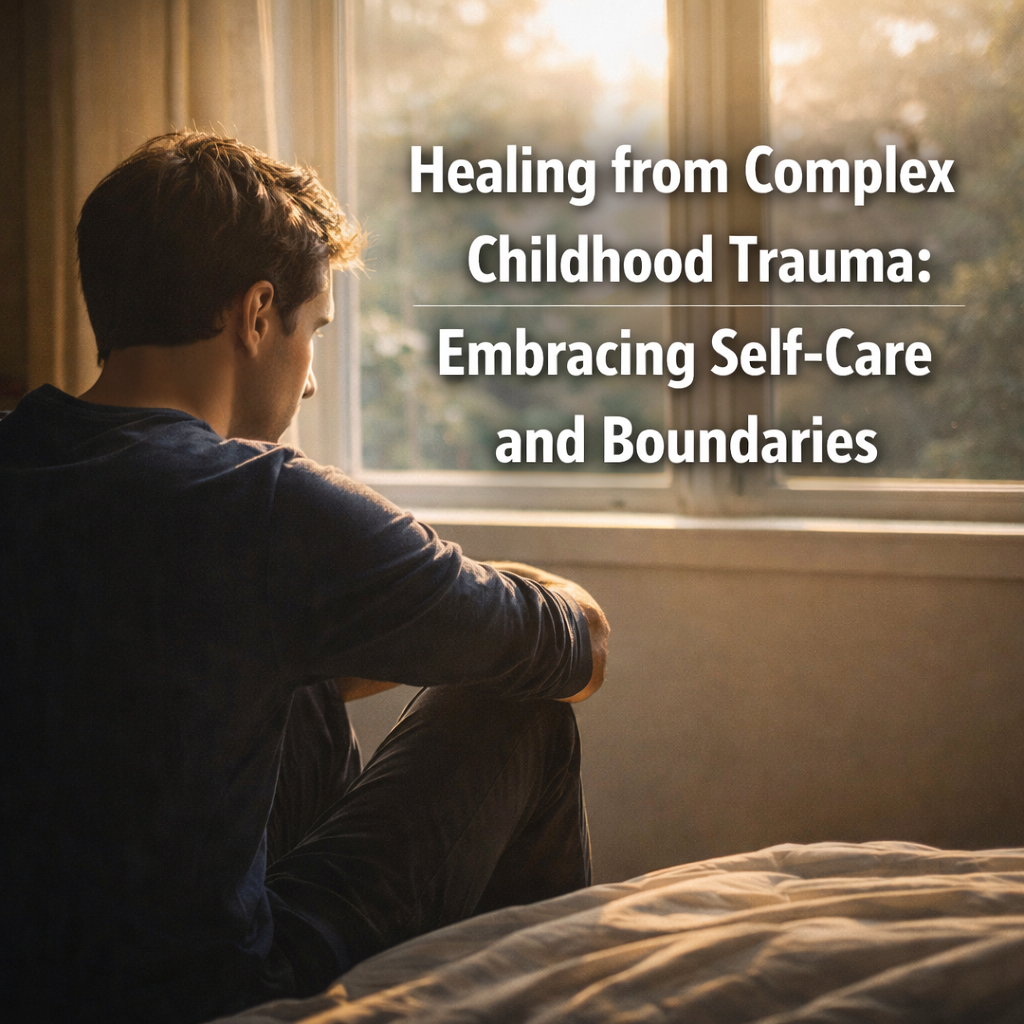
Healing from Complex Childhood Trauma: Embracing Self-Care and Boundaries
PsychologyMental HealthTraumaSelf-CareBoundaries
Childhood trauma casts a long shadow, often manifesting as chronic exhaustion and a pervasive sense of unease. Sleep, once a refuge, becomes a battleground as the body struggles to regulate itself after years of hypervigilance. The Adverse Childhood Experiences (ACEs) study underscores the profound impact of early adversity on long-term health, revealing a strong correlation between childhood trauma and increased risks for mental health issues, chronic diseases, and even premature death. The cumulative burden of chronic stress, known as allostatic load, takes a heavy toll on the body, increasing vulnerability to conditions like Chronic Fatigue Syndrome (CFS) and fibromyalgia.
Recovery begins with acknowledging the reality of the trauma and its lasting effects. It requires a shift from self-blame to self-compassion, recognizing that the exhaustion and other symptoms are not personal failings but rather the body's response to prolonged stress. Instead of pushing through the pain and exhaustion, it's essential to prioritize self-care and establish healthy boundaries. This involves learning to say "no" without guilt, valuing personal time, and choosing quality over quantity in relationships.
Ultimately, healing from complex childhood trauma is a journey of self-discovery and empowerment. It involves reclaiming agency over one's life, setting boundaries to protect one's well-being, and prioritizing self-care to nurture healing. It's about learning to listen to the body's signals, honoring its needs, and creating a life that supports long-term health and happiness. This path requires courage, patience, and a willingness to challenge deeply ingrained beliefs and patterns. It's a process of transforming pain into strength, vulnerability into resilience, and trauma into triumph.
0:000:00