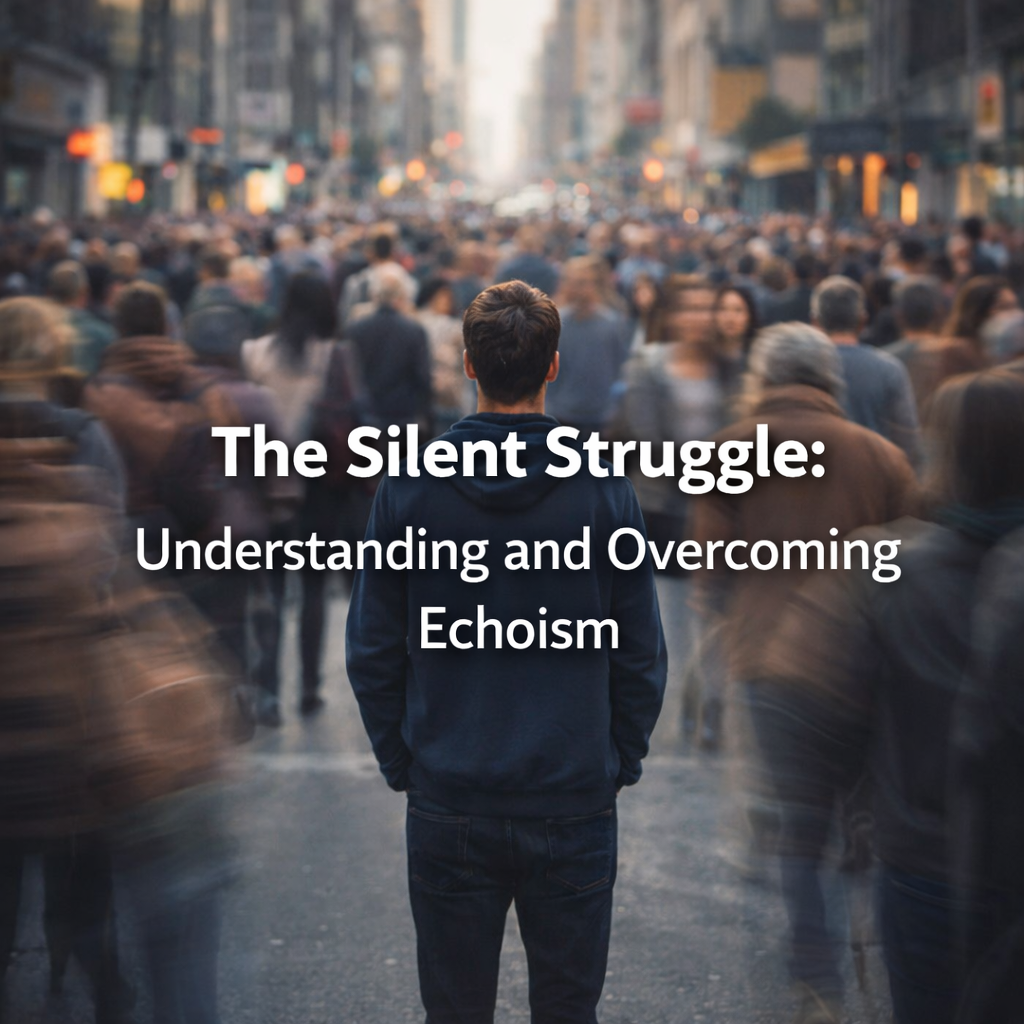
The Silent Struggle: Understanding and Overcoming Echoism
NarcissismRelationshipsSelf ImprovementHealthMental HealthEchoismSelf-CarePersonal Growth
Echoism, a term coined by psychologist Craig Malkin, describes individuals who are the opposite of narcissists. Stemming from the Greek myth of Echo, these individuals fear attention and praise, often suppressing their own needs and desires to avoid being a burden to others. This can manifest in various ways, from avoiding medical care to remaining silent in social situations. The core issue lies in a deep-seated fear of being seen as special or demanding, leading to a pattern of self-neglect. This behavior often originates in childhood, where emotional needs were consistently dismissed or punished, leading to the suppression of one's own voice. The danger of echoism is that it can lead to significant personal harm, especially when it comes to health. The inability to advocate for oneself can result in delayed or avoided medical treatment, potentially leading to serious consequences. Overcoming echoism requires a conscious effort to find one's voice and express one's needs, even when it feels uncomfortable. This involves recognizing the value of one's own opinions and desires, and challenging the belief that asking for help is a sign of weakness. It also requires building a support system of people who encourage self-expression and validate one's feelings. Ultimately, overcoming echoism is about reclaiming one's voice and living a more authentic and fulfilling life. It's about understanding that your needs are valid and that you deserve to be heard. It's a journey of self-discovery and self-acceptance, where you learn to prioritize your well-being without feeling guilty or selfish. Remember, your voice matters, and it's time to let it be heard. The journey to overcome echoism is not easy, but it is essential for living a full and healthy life. Start by acknowledging your tendency to suppress your needs and desires. Then, begin to practice expressing yourself in small, safe ways. Share your opinions with trusted friends or family members. Ask for help when you need it, even if it feels uncomfortable. Celebrate your accomplishments and allow yourself to receive praise without feeling awkward or embarrassed. As you become more comfortable expressing yourself, you will begin to feel more confident and empowered. You will realize that your voice matters and that you have the right to advocate for yourself. You will also discover the joy of connecting with others on a deeper level, as you share your authentic self with the world. This journey is about self-love and self-acceptance. It's about recognizing your worth and believing that you deserve to be happy and healthy. It's about breaking free from the chains of echoism and embracing your true potential.
0:000:00