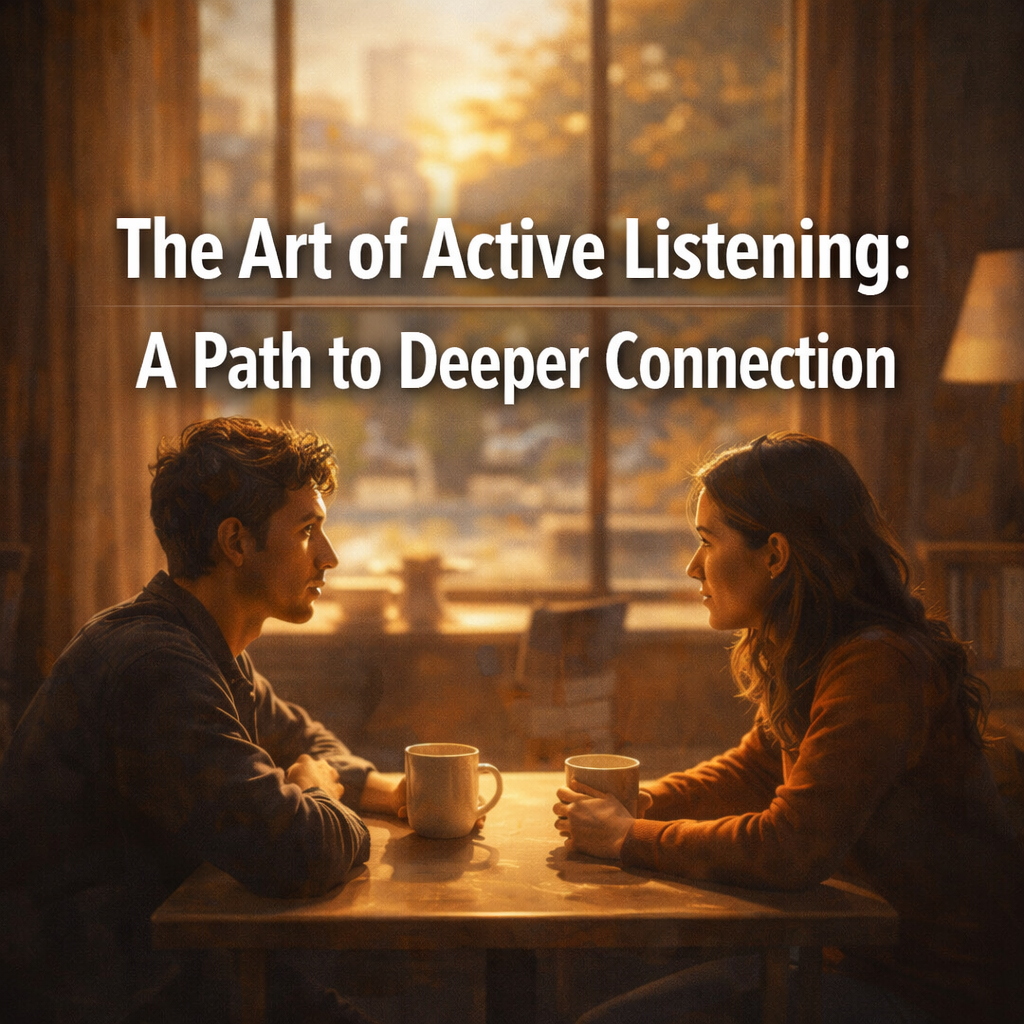
The Art of Active Listening: A Path to Deeper Connection
active listeningcommunicationrelationshipsunderstandingempathyparaphrasingquestioningpolitenessengagement
True communication transcends mere speaking; it resides in the profound act of listening. Often, our minds race to formulate responses, creating a barrier to genuine engagement. To overcome this, shift your focus from crafting the perfect reply to truly understanding the speaker. Recognize that adding value isn't solely about what you say, but how you facilitate the speaker's own thought process. Help them clarify assumptions, identify blind spots, and sharpen their ideas. Your role is to be a catalyst for their understanding, not a display of your own brilliance.
Paraphrasing is a powerful tool. By summarizing the speaker's points without injecting your own judgment, you encourage clarity and demonstrate attentiveness. Repeating key phrases in their own words reinforces that you're truly hearing them. This technique not only aids comprehension but also builds trust and rapport. Elevate your listening further by asking insightful questions. These questions should act as gentle probes, encouraging the speaker to delve deeper into their thoughts, explore nuances, and confront potential inconsistencies. Like a skilled coach, guide them towards greater self-awareness and clarity.
Interrupting, when done thoughtfully, can be a valuable form of active listening. It's not about rudeness, but about ensuring relevance and focus. If a speaker veers into unnecessary detail, a polite interruption can steer them back on course. Frame your interruptions as opportunities for them to continue speaking, perhaps by asking a clarifying question or offering a relevant observation. When interrupting, always validate the speaker's contribution, maintain a warm and respectful tone, and connect your interruption to a shared goal or interest. This ensures that your interruption is perceived as helpful and collaborative, rather than dismissive. Ultimately, active listening is about creating a space where the speaker feels heard, understood, and valued. It's a skill that enriches relationships, fosters collaboration, and unlocks deeper levels of understanding.
0:000:00