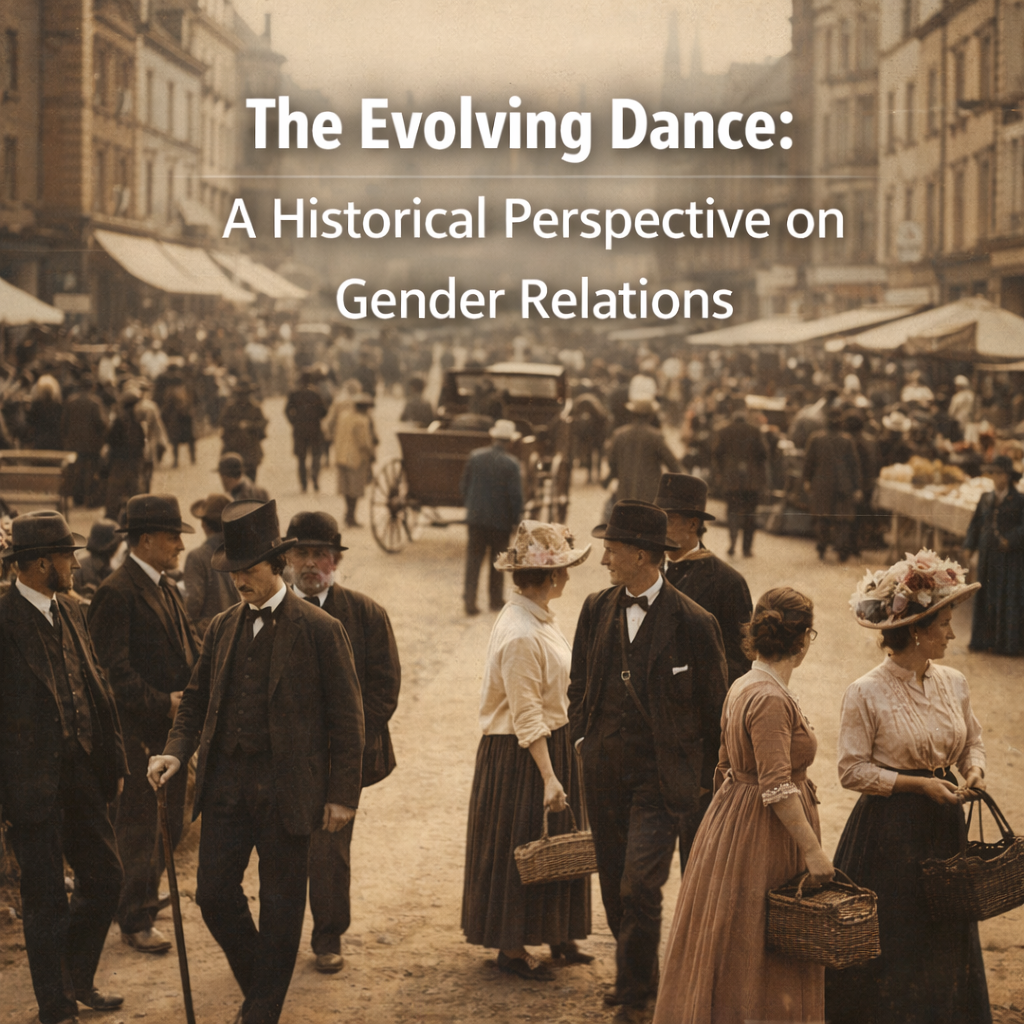
The Evolving Dance: A Historical Perspective on Gender Relations
RelationsGender RolesMale And FemaleMale Female RelationshipGender RelationsHistorySocietyEqualityFeminismPatriarchy
The narrative of male/female relations is a complex tapestry woven through millennia, shaped by biology, environment, and societal structures. Initially, in hunter-gatherer societies, a semblance of egalitarianism existed, with both sexes contributing indispensably to survival. However, the advent of agriculture brought about a shift, where men's physical strength became disproportionately valued, leading to patriarchal structures and the marginalization of women. This era saw marriage transform into an economic arrangement, with female chastity and fertility becoming commodities. The rise of Christianity introduced a contrasting perspective, advocating for the sanctity of marriage and more equitable treatment of women, yet the Church's influence also brought stricter regulations on marriage and sexuality, impacting social norms for centuries. The Industrial Revolution further reshaped gender roles, as men's economic dominance outside the home led to women being relegated to domestic spheres. This period also saw the rise of romantic love as a central pursuit, albeit accompanied by the desexualization of women. The 20th century witnessed significant shifts, including women's suffrage, increased economic opportunities, and the advent of birth control, granting women greater control over their lives and sexuality. Despite progress towards gender equality, societal anxieties and identity struggles persist, echoing historical patterns of each generation grappling with its own unique challenges. Today, while advancements have been made in reducing violence and promoting equality, the pervasive influence of the internet amplifies both progress and conflict, highlighting the ongoing evolution of male/female relations.
0:000:00