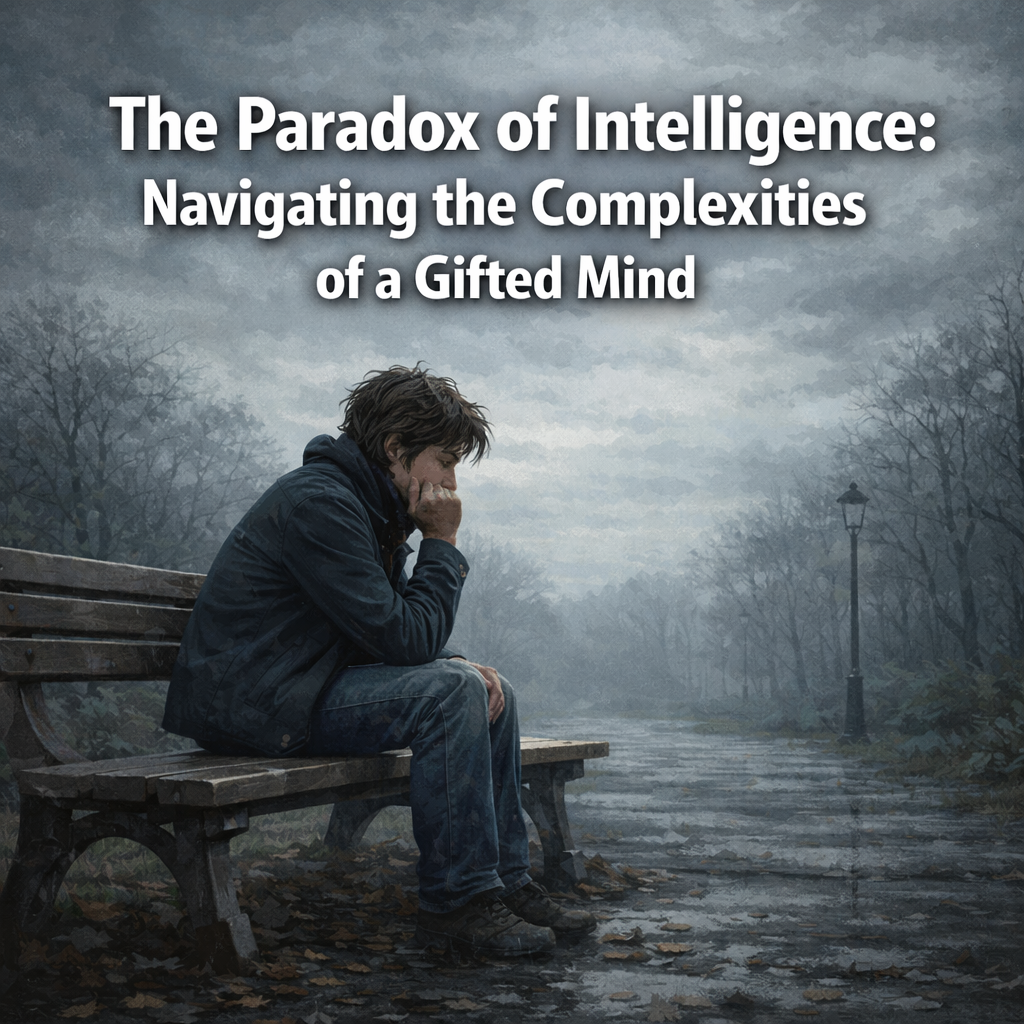
The Paradox of Intelligence: Navigating the Complexities of a Gifted Mind
PsychologyMental HealthSelf ImprovementIntelligencePhilosophy
Intelligence, often perceived as an unmitigated blessing, can paradoxically be a source of profound challenges. The capacity for deep thought and analysis, while advantageous in many respects, can also lead to overthinking, anxiety, and a sense of isolation. The intelligent mind is acutely aware of its own limitations, a phenomenon described by the Dunning-Kruger effect, where the more one knows, the more one realizes how much remains unknown. This awareness can breed self-doubt and a reluctance to engage in activities where competence is not assured. Loneliness and depression are frequent companions of the highly intelligent. The intensity of their focus on long-term objectives often comes at the expense of social connections. The internal world of ideas and complex problem-solving can become a refuge, but also a prison, exacerbating feelings of isolation. The expectations of others can be a heavy burden. The assumption that intelligence equates to success and happiness creates pressure to achieve and excel, which can be overwhelming. The intelligent mind craves stimulation and novelty. Routine and repetition can lead to boredom and a restless pursuit of new challenges. This can manifest as a lack of follow-through on projects and instability in relationships. A tendency to dismiss the fundamentals as too basic can hinder true mastery. The intelligent individual may avoid revisiting foundational concepts, fearing exposure of gaps in their knowledge. Overthinking is a constant companion. The tendency to analyze every detail and consider every possibility can lead to paralysis and indecision. The intelligent individual often feels misunderstood. Finding others who share their intellectual curiosity and depth of understanding can be a challenge. This can lead to a sense of alienation and a longing for connection. Expressing and receiving love can be difficult. The focus on intellectual pursuits can overshadow emotional intelligence, leading to insensitivity and a lack of empathy. The intelligent individual may struggle to connect with others on an emotional level. Ultimately, the key to navigating the complexities of intelligence lies in self-awareness and acceptance. Recognizing one's strengths and weaknesses, and actively working to address the latter, is essential for personal growth and well-being. Embracing one's unique perspective and finding ways to connect with others, despite the challenges, can lead to a more fulfilling and meaningful life. The journey of the intelligent individual is not without its obstacles, but with self-compassion and a commitment to growth, it can be a path of profound discovery and contribution.
0:000:00