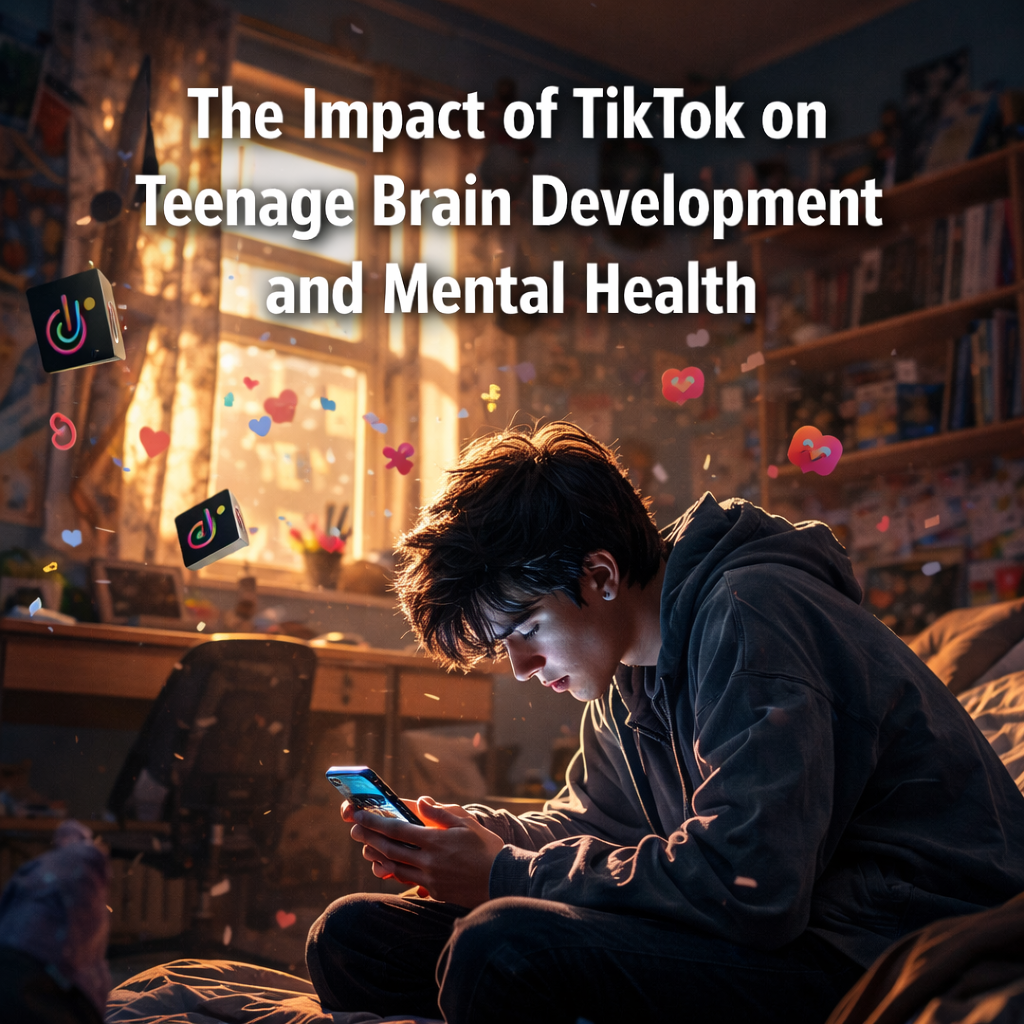
The Impact of TikTok on Teenage Brain Development and Mental Health
HealthScienceMental HealthSocial MediaDepression
The pervasive influence of social media platforms like TikTok on teenagers is a growing concern, particularly regarding its impact on brain development and mental health. While social media offers avenues for fun and connection, the potential downsides, especially for adolescents, are significant. The teenage brain, still under development, is highly susceptible to the instant gratification and validation offered by these platforms. This can lead to a skewed perception of reality, where curated online personas overshadow genuine self-discovery and real-life experiences. The constant exposure to idealized images and lifestyles can fuel feelings of inadequacy and comparison, contributing to anxiety and depression. The pursuit of fame and recognition on social media can become an all-consuming obsession, leading to addiction and a detachment from empathy. The prefrontal cortex, responsible for decision-making and impulse control, is still maturing during adolescence. The instant rewards and constant stimulation of social media can hijack this development, leading to impulsive behavior and difficulty in planning for the future. The phenomenon of "fear of missing out" (FOMO) further exacerbates these issues, driving compulsive social media use and negatively impacting emotional well-being. The long-term consequences of these trends are worrisome, potentially leading to a generation struggling with mental health issues and a diminished capacity for delayed gratification and meaningful relationships. Therefore, promoting moderate social media use and fostering real-world experiences are crucial for safeguarding the mental health and well-being of future generations. It's essential to cultivate a balanced approach that prioritizes genuine connections, self-acceptance, and the development of crucial life skills.
0:000:00