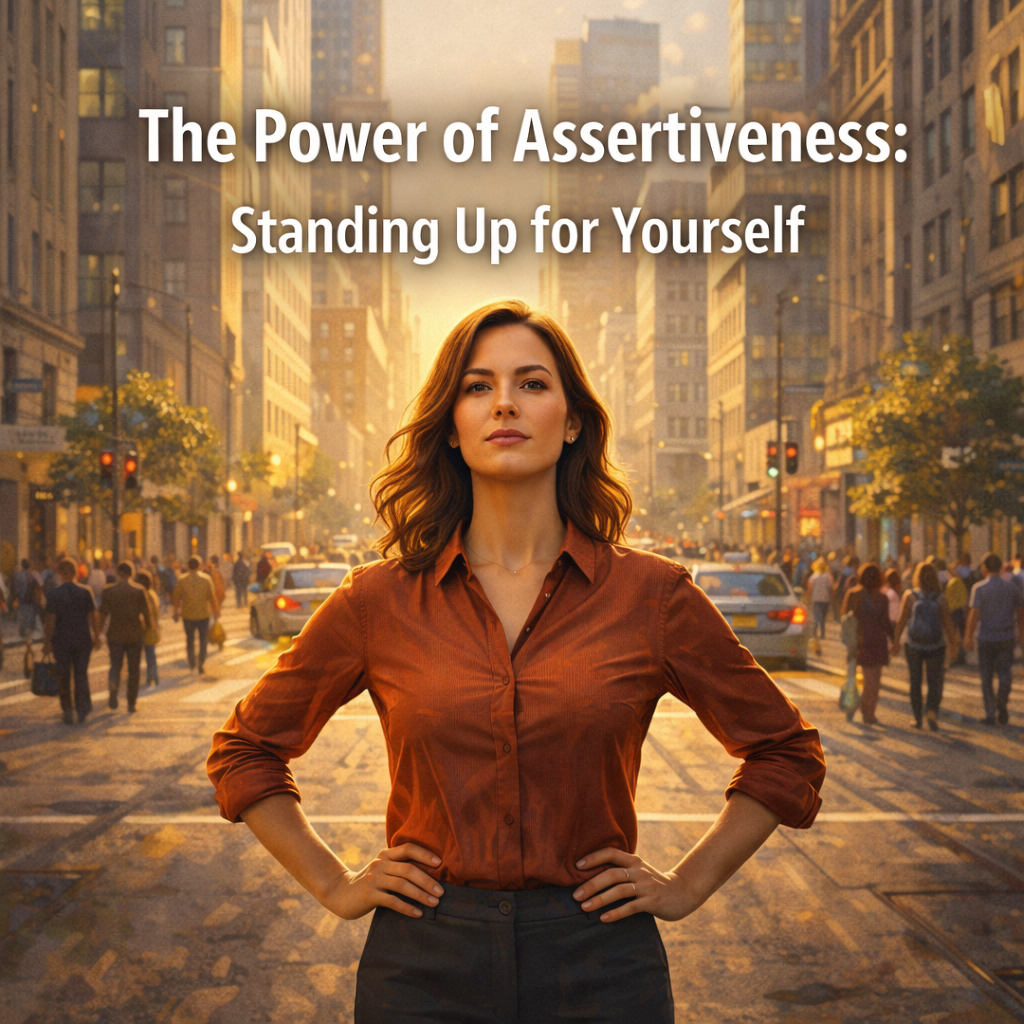
The Power of Assertiveness: Standing Up for Yourself
AbuseDisrespectPersonal DevelopmentBoundariesAssertivenessSelf-Respect
We often try to ignore disrespect, pretending it's a sign of strength to avoid confrontation. However, this approach, rooted in fear, allows others to mistreat us, assuming we don't mind. True liberation comes from standing up for ourselves, not necessarily through aggression, but by refusing to accept blame for others' shortcomings and expressing our anger when faced with injustice. This doesn't mean becoming quarrelsome, but rather recognizing anger as an indicator of disrespect and injustice. Hiding anger signals acceptance of mistreatment, while expressing it defends our value and boundaries. By staying silent, we enable abusers, who count on our guilt and embarrassment. Speaking up, even if it means being perceived negatively, prevents energy from dropping and exposes the truth. Discernment is key: know when to fight, how much force to use, or when to let go. Sometimes, ignoring negativity is best, but other times, standing up for ourselves is the only way to bring light to a situation and raise the energy. Reacting can be a powerful defense, allowing us to reclaim our center and prevent further abuse. It's about defending our right to be focused and in our zone, not about seeking egotistical gain. It's about self-compassion and love, not allowing others to run rampant at our expense. It's about recognizing that sometimes, the most loving thing we can do is to stand up for ourselves and expose disrespect for what it truly is. This is not a call to arms, but a call to self-respect and self-preservation. It's about finding the balance between being a doormat and being a bully, and choosing to be neither. It's about recognizing that our silence can be just as damaging as our words, and that sometimes, the most powerful thing we can do is to speak up and say, "Enough!"
0:000:00