The Looming Workforce Crisis: An Aging Labor Force and Generational Disconnect
SocietyWorkEconomicsMillennialsAging
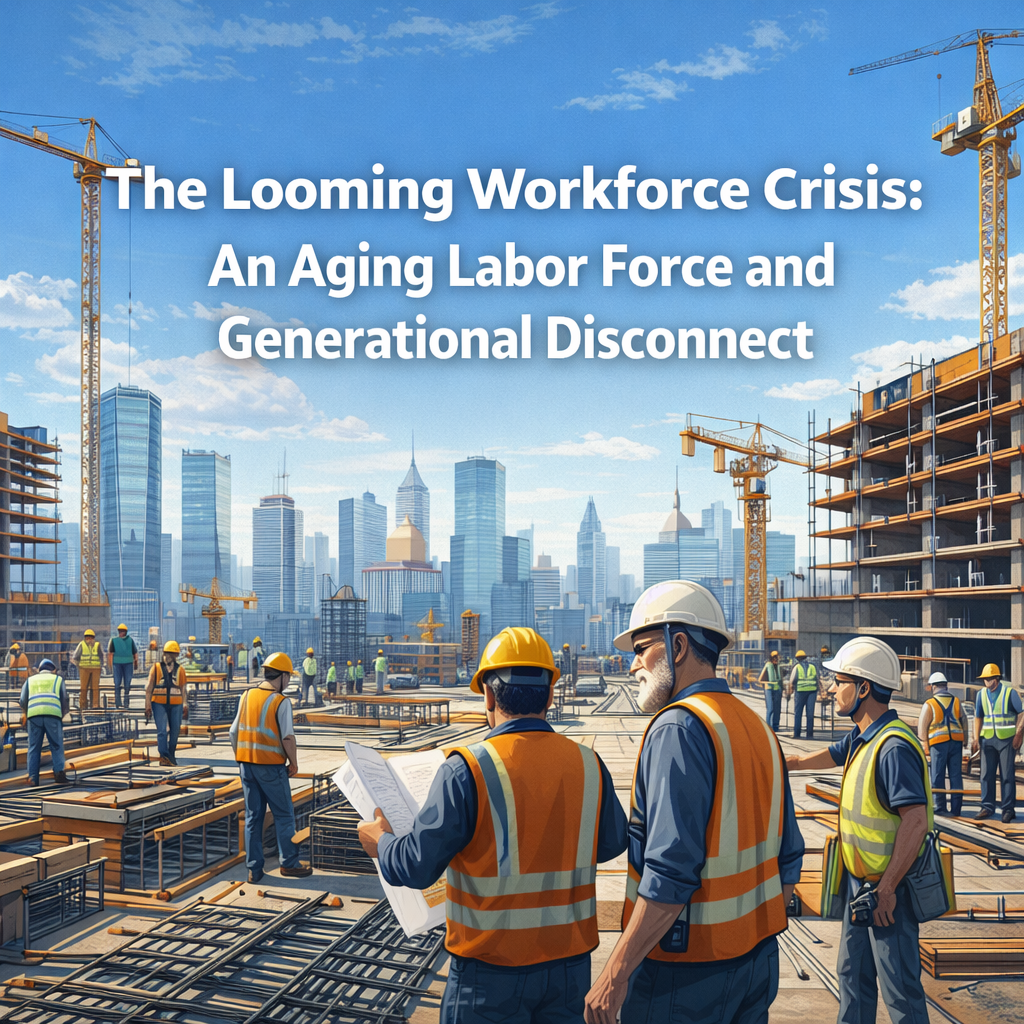
We face a significant, often ignored, problem: the aging of our workforce. While we focus on the 'Great Resignation' and wage growth, the median age in essential trades is alarmingly high, signaling a looming crisis. This isn't just a matter of demographics; it's a generational issue rooted in societal pressures and misdirected aspirations. The emphasis on college education for Millennials led to a neglect of vital trades, creating a skills gap that threatens our infrastructure and economy. Many were told that college was the only path to success, leading them away from essential manual jobs. This has resulted in a workforce where critical skills are concentrated in an aging population, with fewer young people entering these fields. The consequences are far-reaching, potentially leading to labor shortages, project delays, and economic instability. The trades, which were once a source of pride and stable income, have been devalued in the eyes of younger generations. This shift has created a workforce imbalance, with too many individuals pursuing white-collar jobs and too few entering essential trades. The current trend of side-hustles and the 'creator' economy, while valuable, cannot replace the need for skilled labor in critical sectors. The solution lies in recognizing the value of these trades and encouraging younger generations to pursue them. There are signs that Gen Z may be more open to these opportunities, driven by financial pragmatism and a disillusionment with the traditional college-to-career path. By highlighting the financial stability and demand for skilled trades, we can attract young talent and address the looming workforce crisis. This requires a shift in societal attitudes, recognizing the importance of manual labor and providing accessible training and education opportunities. The pendulum may be swinging back, with more young people recognizing the value of skilled trades. This shift needs to be accelerated to avoid a future where essential projects become impossible due to a lack of skilled labor. The time to act is now, before the next wave of retirements exacerbates the problem and leaves us in an even greater shortage of skilled labor.
0:000:00