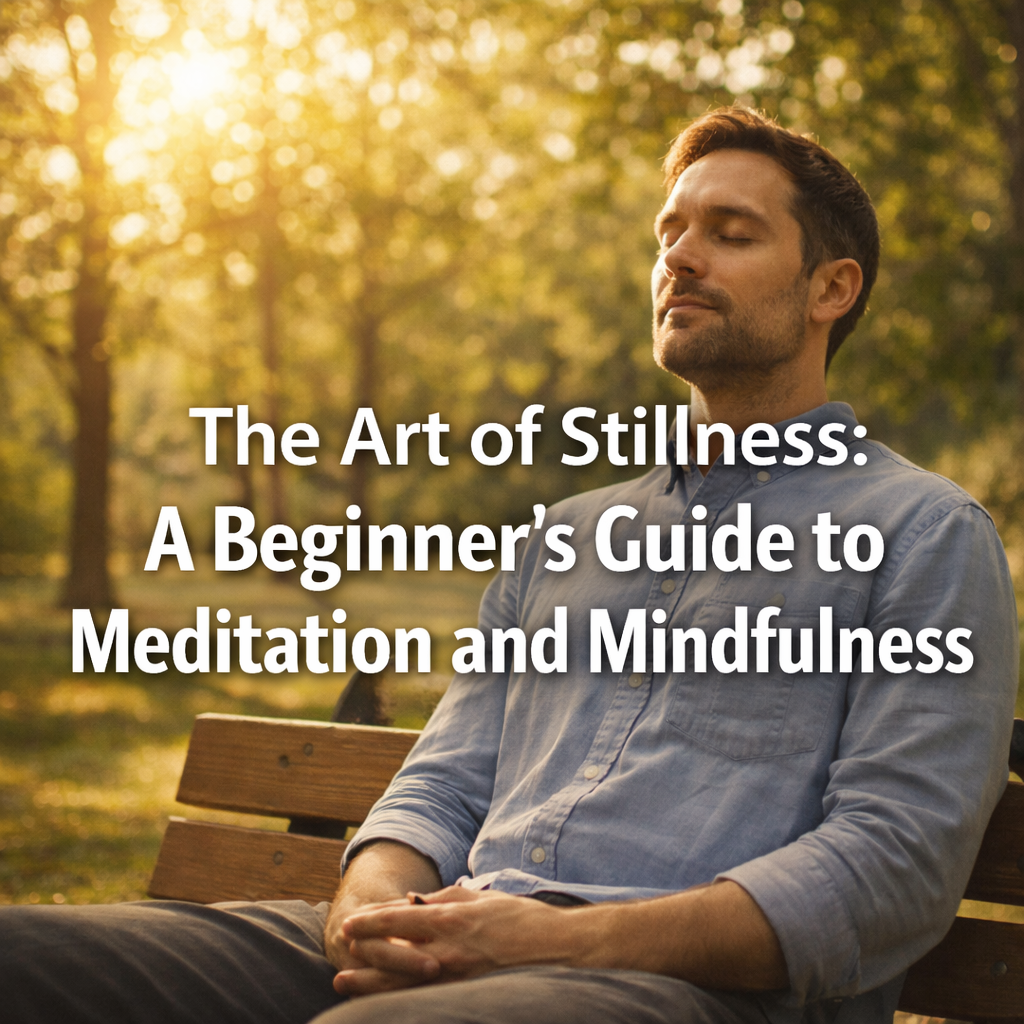
The Art of Stillness: A Beginner's Guide to Meditation and Mindfulness
MeditationMindfulnessMental HealthSelf ImprovementStress Management
In our relentlessly fast-paced world, the practice of meditation emerges not merely as a spiritual exercise, but as a vital tool for mental and physical well-being. It offers a sanctuary from the constant barrage of work, studies, and distractions that keep our minds in a perpetual state of overdrive. Meditation, supported by scientific research, serves as a potent method to quiet the mind, alleviate stress, and foster overall health. The essence of meditation lies in providing the brain with a much-needed respite. Studies have demonstrated its effectiveness in reducing activity in the amygdala and the default mode network, brain regions closely associated with stress and anxiety. By calming these areas, meditation facilitates a sense of tranquility and mental clarity. The benefits of meditation extend beyond the mental realm, positively impacting physical health as well. Research indicates that even brief daily meditation sessions can improve heart rate regulation, contributing to a healthier cardiovascular system. This synergistic effect on both mind and body lays a solid foundation for a more balanced and fulfilling life. Embarking on a meditation journey begins with simplicity and gradual progression. Starting with just five minutes of quiet breathing each day can pave the way for deeper, more extended practice. The key is consistency, allowing the practice to evolve naturally over time. Meditation is not confined to traditional seated postures; it encompasses mindfulness, the practice of being fully present in the moment. This can be cultivated through everyday activities such as walking, savoring a meal, or engaging in meaningful conversations. The focus is on awareness, not perfection, making it accessible to everyone. It's important to approach meditation without rigid expectations. Initial experiences may bring forth feelings of irritation or anxiety, which are natural parts of the process. These feelings are opportunities to deepen self-awareness and emotional understanding. The emphasis should be on the practice itself, rather than immediate results, as peace of mind unfolds gradually with consistent effort. Embrace meditation as a journey of self-discovery and inner peace. Some days will be easier than others, but each session is a step forward. The true reward lies not in reaching a destination, but in the transformative process itself. Meditation is not about achieving instant enlightenment or superhuman serenity; it's about granting yourself the space to pause, breathe, and simply be. These moments of stillness accumulate over time, cultivating a calmer, more mindful approach to life. Begin with small steps, maintain consistency, and above all, find joy in the journey.
0:000:00