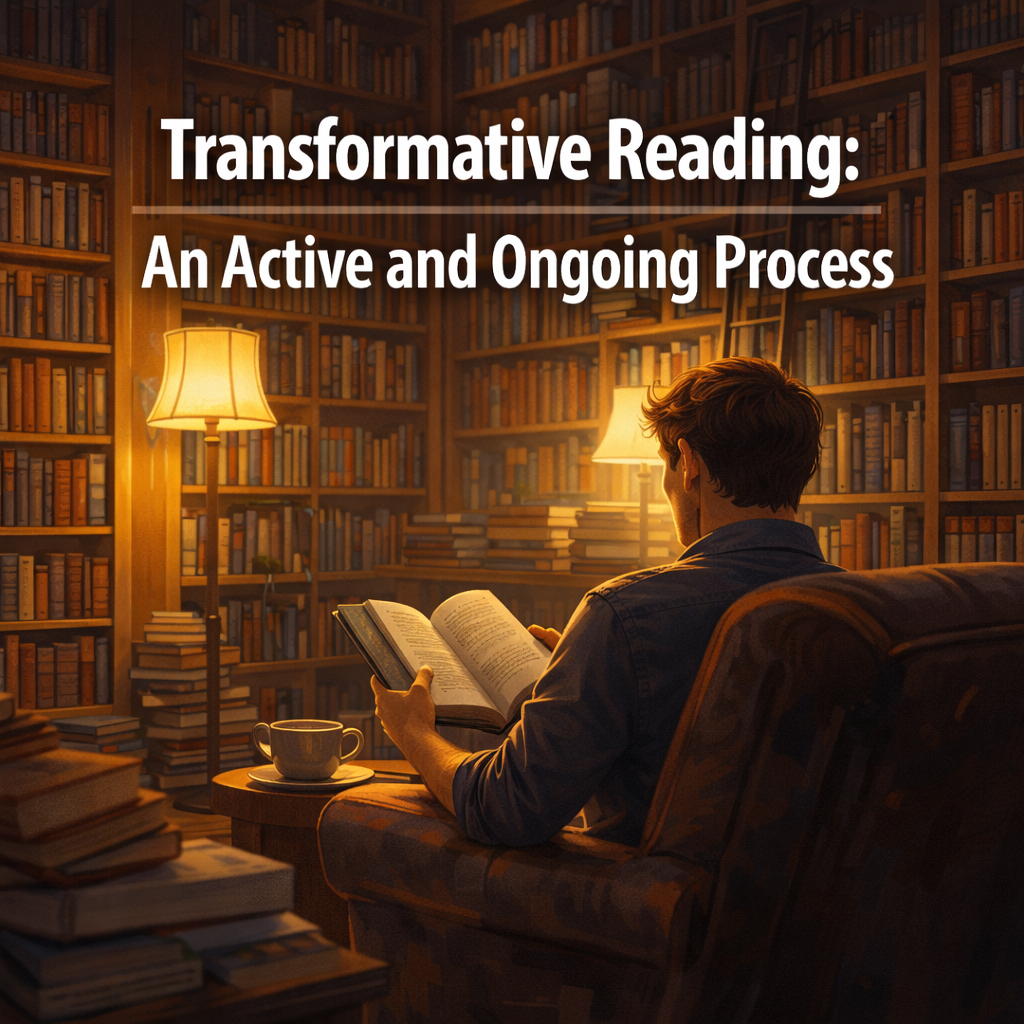
Transformative Reading: An Active and Ongoing Process
BooksReadingProductivitySelf ImprovementLife Lessons
Reading should not be a passive consumption of information but an active engagement with ideas. View each book as a potential addition to your existing knowledge, setting the stage for a serious yet enjoyable endeavor. When encountering something interesting—a new concept, a supporting argument, a refutation, or a powerful quote—underline or highlight the text. Then, use sticky notes to jot down your thoughts, cues, or how you're encoding the new concept. Place these notes upside down on the page, allowing them to emerge from the top, creating a visual and tactile dialogue with the text. This method transforms reading into a conversation with the author, enhancing both understanding and retention.
Organize your physical books by topic and influence, turning your bookshelf into a physical manifestation of your neural networks. This arrangement facilitates easy access to insights when facing challenges or seeking inspiration. When you need help thinking, go to your bookshelf and search for insight in the relevant section. The sections are your own personal cuts of knowledge: formative books; psychology; philosophy; adventure; history; biography; books on writing; sports; fiction that taught me a lot about real-life; etc. These "cuts" are personal since they are intimately related to how your brain works. When revisiting books, focus on the notes to quickly immerse yourself in the most important parts and reconnect with your previous thoughts. This process offers two significant benefits: it enhances comprehension and retention during reading, and it facilitates easy reference and recall afterward. By making reading an active and ongoing process, you increase the likelihood that what you read will profoundly influence your work and life. The physical act of highlighting, underlining, and writing in a book aids in retaining information better than virtual methods. The key is to develop a system that resonates with you, transforming reading from a passive activity into a dynamic and enriching experience. This approach not only makes reading more enjoyable but also ensures that the knowledge gained is more likely to be applied in meaningful ways.
0:000:00